TAP Air Portugal Faces Profit Drop, Impacting Tourism in Lisbon, Porto, Faro and More Destinations: Here’s What You Need to Know
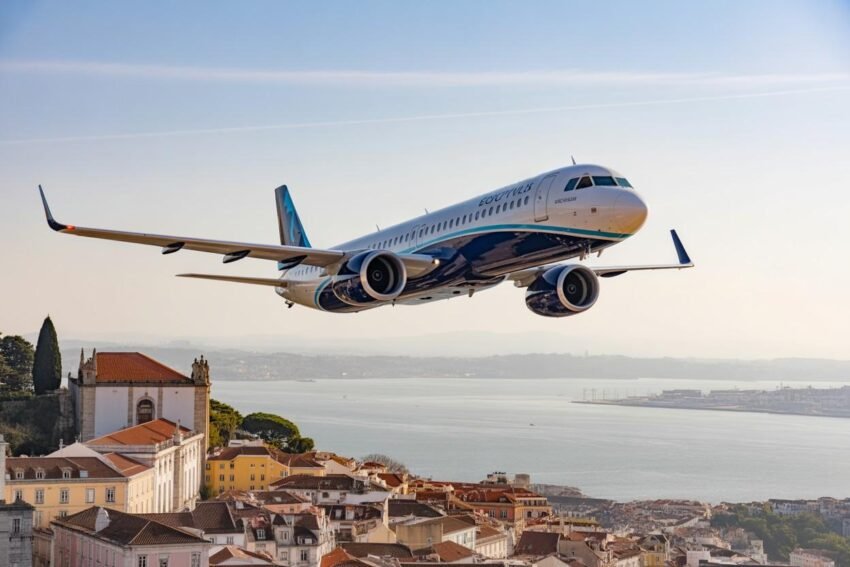

AP Air Portugal, the flagship airline of Portugal, has faced a significant 42.5% drop in net profit for the second quarter of 2025, according to its latest financial report. This sharp decline comes amid growing operational costs, intense competition from other airlines, and severe airport bottlenecks affecting airports across Portugal, including Lisbon, Porto, Faro. The airline’s net profit for the period between April and June 2025 stood at €37.5 million ($43.9 million), compared to higher figures from the previous year.
Despite an overall increase in revenue of 1.7% to €1.13 billion and a rise in the number of passengers carried to 4.3 million (a 4.5% increase), TAP’s operating costs surged by 5.6% to approximately euro one billion. This growth in costs has largely stemmed from employee wages (which rose by 18.3%) and traffic expenses, which increased by 9.2%.
Revenue Growth Overshadowed by Rising Operational Costs
While TAP Air Portugal did report an increase in revenue, the overall performance was overshadowed by mounting operating expenses. The company’s employee-related costs jumped significantly, while the rising costs of air traffic and airport operations further affected its bottom line. These factors highlight the challenge the airline faces in balancing growth with rising operational costs and increased competition.
The airline also suffered from foreign exchange losses which compounded its financial issues, negating some of the benefits from a reduction in interest expenses. TAP’s financials indicate that despite an increase in traffic and a slight uptick in revenues, these gains were insufficient to offset the operational strain the company is facing due to rising costs and a challenging competitive landscape.
Impact of Airport Bottlenecks on Operations
One of the most significant factors affecting TAP Air Portugal’s performance is the airport bottlenecks at key hubs in Lisbon, Porto, and Faro, among others. These bottlenecks have created long queues, delays, and a negative impact on operational efficiency. In recent months, Portugal’s airports have struggled with severe border control constraints, which have caused disruptions to flights and impacted the overall passenger experience.
As Lisbon and other major airports in the country grapple with high volumes of passengers, this issue has also affected TAP’s ability to manage the growing influx of travelers. The strained airport facilities, combined with tightened border controls, have made it difficult for TAP to maintain a smooth flow of operations, exacerbating delays and further complicating the airline’s financial stability.
Implications for Tourism in Portugal
The operational challenges facing TAP Air Portugal could have a significant impact on tourism in key Portuguese destinations, such as Lisbon, Porto, Faro, Madeira, and the Azores. As the largest airline in the country, TAP plays a crucial role in facilitating travel to and from these tourism hotspots. Disruptions to flight schedules, delays, and operational inefficiencies can directly affect the tourist experience, potentially deterring international visitors.
Given the growing significance of tourism for the Portuguese economy, especially in cities like Lisbon and Porto, any disruption to the flow of travelers can lead to a negative economic ripple effect. The high number of international visitors that travel to Portugal each year for leisure, business, and cultural activities rely on airlines like TAP to transport them efficiently. Delays, cancellations, or a reduction in flight availability could thus result in a decline in tourism revenue, negatively impacting businesses, hotels, restaurants, and cultural attractions that depend on the steady flow of international tourists.
TAP Air Portugal’s Privatization and Future Prospects
The future of TAP Air Portugal is in flux, with the government of Portugal pushing forward with its privatization efforts. In July 2025, the government relaunched the long-delayed privatization of TAP, aiming to sell 44.9% of its stake in the airline, with an additional five percent to be offered to TAP employees. The move comes as part of a broader strategy to improve TAP’s financial sustainability.
Prominent European airlines, including Lufthansa, Air France-KLM, and IAG (which owns British Airways), have shown interest in the privatization process. The outcome of this privatization is expected to have a direct impact on TAP’s ability to handle its current challenges and improve its competitiveness. A more stable financial situation could help TAP recover from the challenges it faces, thus improving operational efficiency and the overall tourism experience for travelers to Portugal.
TAP’s Path to Recovery and Tourism Growth
As TAP Air Portugal continues to deal with operational challenges, it faces a crucial juncture in its future. With the privatization process underway and potential changes on the horizon, the airline must focus on improving operational efficiency and reducing costs. The next few years will be critical for TAP as it navigates its way through these difficulties.
For tourism in Portugal, it is essential that TAP can maintain a robust and reliable service to key destinations such as Lisbon, Porto, Faro, Madeira, and the Azores. With the right strategies in place, TAP has the opportunity to recover and continue to support Portugal’s status as a leading destination for international travelers.
The post TAP Air Portugal Faces Profit Drop, Impacting Tourism in Lisbon, Porto, Faro and More Destinations: Here’s What You Need to Know appeared first on Travel And Tour World.