New US Visa Rules in 2025: How Mandatory In-Person Interviews and Higher Fees Will Affect Global Travel
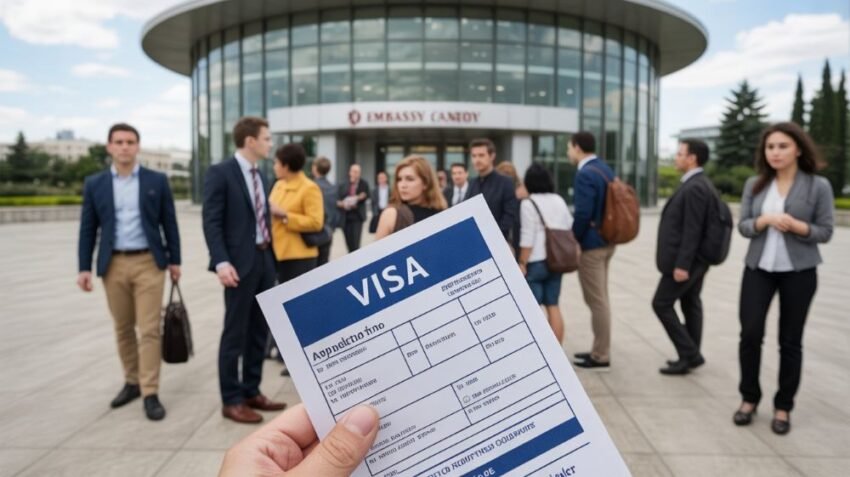

In 2025, the United States is rolling out important updates to its visa rules, which will touch almost every traveler wanting to visit the country. Starting September 2, nearly everyone applying for a nonimmigrant visa, like tourists and students, will have to go to an in-person interview. This puts an end to the Interview Waiver Program that let some people skip the interview, so expect longer waits at consulates. On top of that, a $250 visa integrity fee will be added, meaning the sticker price for a visa goes up. Together, these steps will stretch processing times and bump up visa costs, so smart planning is more important than ever. This article busts the key details affecting trips to the United States.
Mandatory In-Person Interviews: What This Means for Applicants
One of the most significant changes to the U.S. visa process is the end of the Interview Waiver Program (often referred to as the “Dropbox” system), which had previously allowed certain visa applicants to bypass in-person interviews. Under the new rule, starting September 2, 2025, all nonimmigrant visa applicants, regardless of age, will be required to attend an in-person interview at a U.S. embassy or consulate.
This applies to travelers applying for key visa categories such as the B-1/B-2 (business and tourism), F-1 (student), H-1B (temporary workers), L-1 (intra-company transferees), and O-1 (individuals with extraordinary abilities). The U.S. Department of State stated that the change aims to enhance security measures and improve the integrity of the visa process.
While this is a major shift, certain categories of travelers may still be eligible for exceptions. These include diplomats and applicants renewing B-1/B-2 visas within a year of expiration under specific conditions.
Increased Visa Fees: The Cost of Securing a U.S. Visa
Along with the in-person interview requirement, U.S. visa applicants will also face increased costs. Starting in September 2025, a new $250 “visa integrity fee” will be added to the total application fee for most nonimmigrant visa categories. This new charge is in addition to the existing visa application costs, bringing the total cost of obtaining a visa to approximately $442 for non-visa waiver travelers.
This fee is intended to fund the U.S. government’s efforts to streamline and secure the visa process. While it is relatively modest, it will add an extra financial burden on travelers, particularly those who visit the U.S. frequently. Indian travelers, who often rely on U.S. visas for business, tourism, and educational purposes, will likely feel the impact of this fee most keenly.
Longer Wait Times and Delays: Planning Ahead is Essential
With the elimination of the Interview Waiver Program and the introduction of mandatory in-person interviews, U.S. consulates and embassies will be handling a larger volume of applicants. This will likely result in longer processing times and increased wait times for visa appointments.
For countries like India, where demand for U.S. visas is particularly high, applicants can expect significant delays in scheduling interviews. Travelers planning trips to the U.S. should be prepared for a potentially lengthy wait and should apply for visas as early as possible to avoid missing their travel deadlines. The U.S. Department of State has advised applicants to start the visa process well in advance, especially if travel dates are fixed.
Impact on Global Travel and Tourism: A Shift in Visitor Dynamics
The new visa regulations are poised to have a significant impact on global travel, particularly for tourists and business travelers. For Indian nationals, the U.S. is one of the most popular travel destinations, with millions of visitors traveling for work, study, or tourism each year. With the added complexity of mandatory interviews, longer processing times, and increased fees, some travelers may reconsider their plans or face difficulty in obtaining a visa in time.
Tourism-related businesses in both India and the U.S. may also experience a slowdown due to these changes. Travel agencies, airlines, and hotels that rely heavily on U.S.-bound tourists will likely see a dip in bookings. In addition, international businesses may face challenges in sending employees to the U.S. for meetings, conferences, or other professional engagements due to longer visa processing times.
However, the changes are also expected to enhance the security and integrity of the U.S. visa system, which could potentially lead to more efficient and secure travel experiences in the long run. The U.S. government has emphasized that these measures are designed to prevent fraud and ensure that only eligible applicants are granted entry.
Visa Waivers: Who Still Qualifies for Exceptions?
While the new rules apply to most applicants, there are exceptions to the mandatory in-person interview requirement. These include:
- Diplomatic and Official Visa Holders: Travelers applying for visas related to diplomatic or government business are generally exempt from the interview requirement.
- B-1/B-2 Visa Renewals: Applicants seeking to renew their B-1/B-2 visas within 12 months of expiration may qualify for an interview waiver if they meet certain conditions.
- Other Specific Exceptions: Certain countries may have limited exceptions based on existing visa agreements with the U.S.
These exceptions are designed to ease the process for travelers who have already established a history of compliance with U.S. visa regulations.
What Travelers Should Do Now: Plan Early and Stay Informed
Travelers planning a trip to the U.S. should take proactive steps to ensure they are well-prepared for the changes. The first step is to start the visa application process as soon as possible to avoid delays. With longer processing times, applicants should be prepared for potential wait times of several months.
Additionally, it is essential to gather all required documentation ahead of time, including proof of financial support, travel itinerary, and any other documents that may be required for specific visa categories. This will help ensure that applicants can attend their interviews with all necessary materials and avoid delays caused by incomplete applications.
Travelers should also stay informed by regularly checking the U.S. Department of State’s website and their local U.S. embassy or consulate for the latest updates on visa processing times and requirements.
Navigating the New U.S. Visa Landscape
New U.S. visa rules, starting on September 2025, mark a major change for nonimmigrant visa processing. Although the updates focus on boosting security and keeping the visa system trustworthy, travelers—especially those from busier regions like India—will still find hurdles.
To lessen the impact, travelers should prepare early, check the latest updates regularly, and expect longer processing times and possibly increased fees. While the new requirements could complicate some journeys, they are part of a wider push to tighten border security and make the visa application system more efficient.
The post New US Visa Rules in 2025: How Mandatory In-Person Interviews and Higher Fees Will Affect Global Travel appeared first on Travel And Tour World.