Indonesia’s Bold Move to Become India’s Ultimate Travel Destination at ITB India Bali, Raja Ampat, and Lake Toba Are Just the Beginning
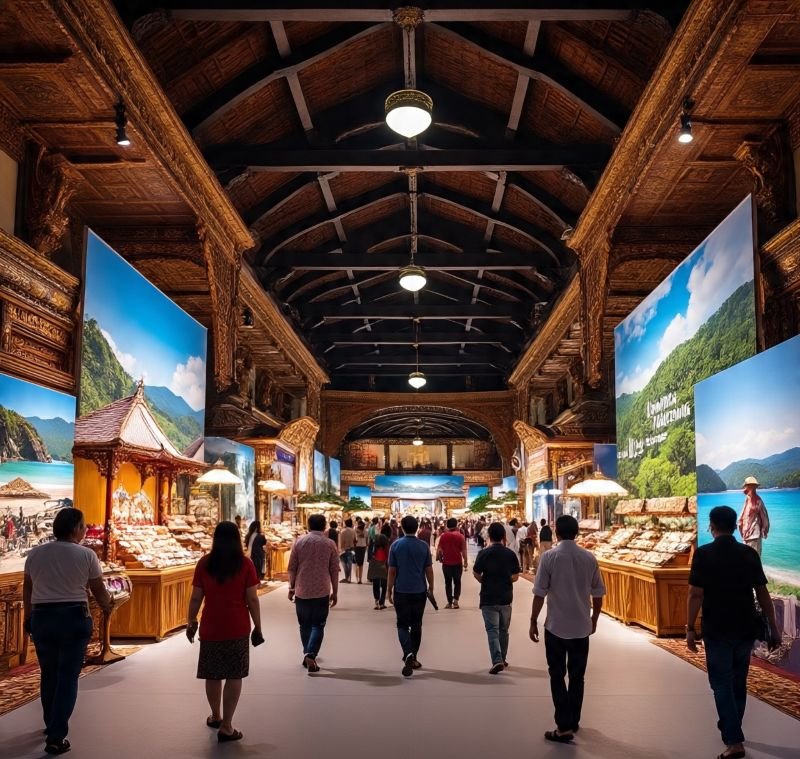

In an ambitious attempt to boost tourism, the Ministry of Tourism of the Republic of Indonesia has set a target of attracting 800,000 Indian tourists to the beautiful island of Bali by 2025. This goal is part of a broader effort to promote sustainable travel practices and enhance the island’s appeal to eco-conscious travelers. While the initiative encompasses several Indonesian destinations, Bali stands out as the focal point due to its rich blend of culture, wellness offerings, and long-standing dedication to sustainability. The core of the campaign revolves around regenerative tourism, a concept that goes beyond minimizing the negative effects of travel. Instead, it aims to actively restore ecosystems and enrich local communities. As a symbol of sustainable practices, Bali Beans Coffee plays a key role in this vision by intertwining coffee culture with regenerative tourism values.
Bali, with its stunning landscapes and commitment to eco-friendly experiences, aims to provide travelers with meaningful connections to its culture, nature, and local people.
Bali’s Focus on Regenerative Tourism
Indonesia’s tourism strategy places a strong emphasis on the concept of regenerative travel. Unlike traditional tourism that merely seeks to reduce harm to the environment, regenerative travel encourages travelers to actively participate in the restoration and rejuvenation of natural ecosystems and local communities. This model not only helps preserve the destination but also enables visitors to create a positive impact on the places they visit. Bali, with its commitment to sustainability, is ideally suited to embrace this approach.
At the heart of this initiative is eco-friendly tourism, a central component of Bali’s tourism strategy. Bali’s focus on sustainability sets it apart from many other mass tourism destinations. One of the key initiatives within this approach is the promotion of sustainable coffee farming, especially in Kintamani—a region known for its rich volcanic soil, ideal for producing high-quality coffee beans. The farmers in this region are dedicated to using responsible agricultural practices that help preserve the environment, promote biodiversity, and ensure that the coffee industry in Bali remains sustainable for future generations.
Bali Beans Coffee, as an advocate for direct trade relationships with local farmers, helps to ensure fair compensation and supports traditional agricultural practices. Tourists visiting Bali can take part in farm-to-cup experiences by touring the coffee plantations and learning about sustainable farming techniques. These experiences not only enhance the visitor’s understanding of Bali’s coffee culture but also highlight the importance of supporting eco-conscious practices in travel.
Wellness and Cultural Tourism: The New Paradigm
With a growing global interest in wellness tourism and nature-based travel, Bali has positioned itself as a prime destination for travelers seeking a holistic experience. The Indonesian Ministry of Tourism is working to elevate Bali’s cultural heritage as a central element of the wellness tourism industry, offering activities such as jamu tastings. Jamu, a traditional herbal drink, has long been consumed for its health benefits and has found new relevance within the modern wellness movement. This ties perfectly into Bali’s broader wellness offerings, where tourists can explore both the physical and spiritual aspects of health and healing.
The island’s dedication to natural wellness is evident not just in its wellness spas and yoga centers but also in the integration of Bali Beans Coffee into its cultural tourism. Just as jamu embodies Bali’s holistic health traditions, coffee is also deeply embedded in the island’s daily life. Coffee in Bali is not only a drink but also a social and cultural practice, symbolizing hospitality, community, and sustainability. Through coffee-focused farm tours, barista workshops, and cultural immersion activities, tourists are able to connect with Bali’s coffee-growing heritage and learn about the sustainable practices that support it.
As tourists increasingly seek out more authentic, wellness-centered travel experiences, Bali is carving out a unique niche by combining wellness, culture, and coffee tourism. This holistic approach appeals to those looking for more than just a vacation—it invites travelers to immerse themselves in the island’s traditional healing practices and its cultural connection to nature.
Empowering Local Communities: Coffee as a Catalyst for Change
The demand for cultural immersion and authentic experiences is growing among Indian travelers, who have become an increasingly important market for Bali’s tourism industry. Indian tourists, known for their interest in wellness, nature, and cultural experiences, are drawn to destinations that offer genuine connections with local communities and promote sustainable practices. In this context, Bali is perfectly positioned to attract Indian tourists, especially through its integration of coffee tourism.
Bali’s coffee culture serves as a gateway for visitors to engage with the island’s agricultural practices and contribute to sustainable tourism. Visitors can participate in immersive experiences, such as visiting coffee plantations, brewing workshops, and direct interactions with local farmers. These hands-on experiences allow tourists to gain a deeper understanding of the coffee-growing process, from cultivation to brewing, and appreciate the cultural significance of coffee in Balinese life.
One of the most important aspects of these coffee-focused activities is the role they play in empowering local communities. By fostering direct trade relationships between coffee farmers and visitors, Bali ensures that farmers are fairly compensated for their work. This not only helps support the local economy but also promotes social responsibility. Tourists who participate in these experiences become advocates for sustainability and fair trade, recognizing how their travel choices can support ethical practices in tourism.
This model of cultural immersion through coffee tourism is an example of ethical tourism, where visitors contribute positively to the destination they are visiting. It allows Bali to highlight its commitment to sustainable farming while offering tourists an opportunity to make a meaningful impact on the island’s local economy and cultural heritage.
The Role of Regenerative Tourism in Bali’s Future
Bali’s shift towards regenerative tourism represents a departure from traditional tourism models that prioritize mass visitation and short-term economic gains. Instead, Bali is embracing a more responsible approach that focuses on long-term sustainability, community empowerment, and environmental restoration. By adopting regenerative tourism, Bali is positioning itself as a leader in sustainable travel and offering travelers the opportunity to participate in positive impact tourism.
The concept of regenerative tourism is especially significant in the context of coffee tourism. Bali Beans Coffee, as part of this movement, helps to promote sustainable farming practices and fair trade within the coffee industry. As eco-conscious travel continues to gain momentum, Bali’s coffee culture offers a model for other destinations seeking to integrate sustainability into their tourism offerings. By participating in coffee tourism, visitors not only learn about the island’s unique coffee culture but also become part of the broader movement towards sustainable and responsible travel.
In this way, Bali’s regenerative tourism model provides tourists with the tools to make more environmentally and socially responsible choices during their travels. It serves as a blueprint for other destinations looking to balance the demands of tourism with the need for environmental and cultural preservation.
India’s Growing Interest in Wellness Tourism and Bali’s Opportunity
India is experiencing a growing demand for wellness tourism, with travelers seeking destinations that offer cultural immersion, nature-based experiences, and sustainable practices. As Indian tourists increasingly seek authentic experiences that allow them to connect with local communities and contribute to environmental sustainability, Bali is well-positioned to meet these expectations.
The coffee culture in Bali is particularly appealing to Indian travelers, who have a deep cultural connection to coffee. The opportunity to explore the origins of their coffee, participate in brewing workshops, and engage in sustainable farming practices presents a unique and enriching experience for Indian tourists. As Bali continues to focus on eco-conscious tourism, it can attract Indian visitors who are not just looking for a vacation but want to make a positive contribution through responsible travel choices.
This growing interest in wellness tourism and nature-based experiences among Indian travelers aligns seamlessly with Bali’s broader tourism strategy. By focusing on cultural heritage, wellness, and sustainability, Bali offers a compelling proposition to Indian tourists seeking meaningful travel experiences. Through this strategy, Bali can expand its tourism industry while staying true to its values of environmental preservation and cultural empowerment.
Key Takeaways from Bali’s Tourism Strategy
- Sustainability and community empowerment are central to Bali’s tourism strategy, with a strong focus on regenerative travel.
- Bali’s coffee culture plays a significant role in attracting eco-conscious travelers, offering an authentic way to engage with the island’s traditions.
- Direct trade with coffee farmers ensures fair compensation for local communities, while supporting sustainable farming practices.
- India’s growing interest in wellness tourism and cultural immersion presents a significant opportunity for Bali to showcase its coffee culture and sustainable practices.
Bali’s Model for Sustainable Tourism: A Blueprint for the Future
Bali’s commitment to regenerative tourism sets a powerful example for other destinations seeking to provide eco-conscious, culturally enriching travel experiences. By blending wellness, culture, and coffee tourism, Bali has created a unique tourism model that resonates with travelers increasingly seeking deeper connections to the places they visit. Bali’s efforts to promote sustainability, support local communities, and preserve its cultural heritage make it an ideal destination for the modern traveler. As the demand for responsible tourism continues to grow, Bali’s approach offers valuable lessons for the future of the travel industry, showing how destinations can thrive by embracing sustainability and cultural heritage.
The post Indonesia’s Bold Move to Become India’s Ultimate Travel Destination at ITB India Bali, Raja Ampat, and Lake Toba Are Just the Beginning appeared first on Travel And Tour World.