United States Peak Fall Foliage: Smokies To New England
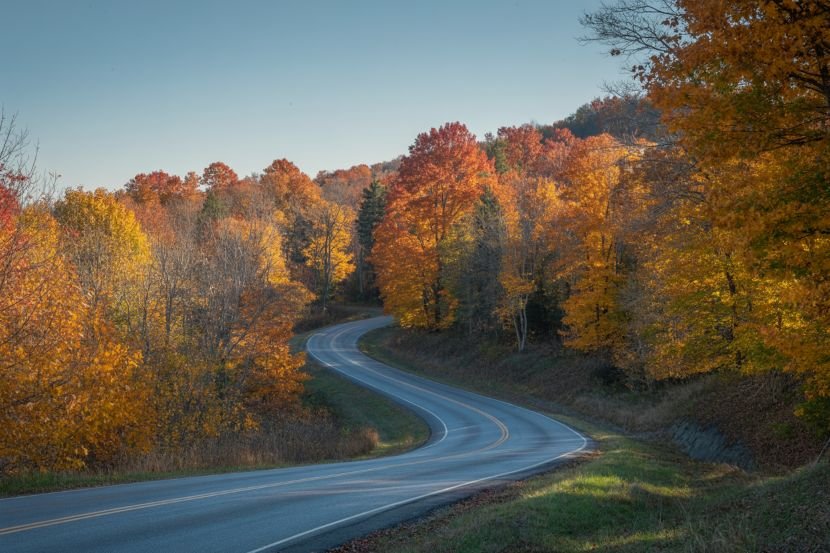
United States Peak Fall Foliage: Smokies To New England

Peak fall colours sweep across the US, bringing chilly mornings, less-crowded hikes, and scenery that begs to be photographed. By relying on state-dedicated foliage trackers and park notices, travellers can monitor colour timelines that show rurally majestic stripes of orange and gold racing south. First, the northern and high-altitude spots flare to vivid life, setting the stage for the leaf show to drift through mid-elevation forests headed toward the southern states through late October and November. Knowing the parade schedule helps visitors to book stretches of open-road journeys, secure cabins inside national parks, and take advantage of off-peak, cooler, yet brilliantly colored getaways.
Northern tier and high elevations
Maine’s forestry agency opens the season each September with weekly reports. Northern zones typically peak from late September into early October. Central and western regions follow around Indigenous Peoples’ Day, while coastal and southern areas peak mid to late October. These updates anchor New England planning with timely colour status and maps.
New Hampshire provides a government foliage map of historical peak timing and a live tracker as reports begin. The tools reflect five-year observations and weekly in-season checks, guiding drives across the White Mountains and the Lakes Region.
Across the Upper Midwest, Minnesota’s Department of Natural Resources maintains a statewide Fall Color Finder, showing actual progression and allowing date look-ahead. The tracker confirms early colour starts in northern forests and at elevation, then expands southward as nights lengthen. Wisconsin’s Department of Natural Resources echoes the pattern: colours often start in the far north in late September and drift south through October.
State trackers in the Upper Midwest help pinpoint early change. Minnesota DNR’s Fall Color Finder shows live progression and lets visitors look ahead by date or compare past years back to 2013. Data consistently show first colour in northern forests, then a southward spread with cooler nights. Wisconsin DNR notes the same north-to-south cadence through October and provides guidance on species colour cues along popular drives and trails.
Mid-Atlantic and Southern Appalachians
Great Smoky Mountains National Park notes its most dramatic display at mid and lower elevations from mid-October to early November. That window covers signature routes and pull-offs, when maples, hickories and oaks ignite the hillsides. Virginia’s Department of Forestry reports a typical statewide peak between roughly 10 October and 31 October, with earlier change on the highest ridges and later colour toward lower elevations and coastal plains.
Early colour now lights up the southern Rockies. Rocky Mountain National Park reports aspen and shrub colour often starting in early to mid-September, with changes rippling down from subalpine to montane zones as September advances. Travellers should track conditions and plan for cool nights, the elk rut, and potential early snow; high roads can close with little notice.
Farther west, Mount Rainier National Park links fall colour to shoulder-season access. Paradise and Sunrise corridors can shift hours as autumn progresses, and timed entry has applied to the Sunrise Corridor into mid-October for 2025. Travellers should check current road and facility status before setting off.
Why the calendar still rules
The U.S. Forest Service explains that lengthening nights drives the chemistry of colour change; weather and rainfall then shape timing and intensity. Wisconsin DNR adds species-specific cues that travellers can watch for, maples turning scarlet or orange, birches bright yellow, poplars golden, and oaks moving to russet, useful for planning photo stops along scenic byways. This science underpins the north-to-south and high-to-low progression that travellers observe each autumn.
Planning with official trackers
A practical plan uses government pages for timing and access updates. Maine’s weekly reports, New Hampshire’s tracker, Minnesota’s colour finder and national park pages provide current, credible guidance without speculation. These sources help travellers match dates to elevation, aim for weekday stays, and select scenic byways that avoid peak-weekend congestion. Official trackers to bookmark include Maine DACF’s weekly reports (mid-September through mid-October with historical patterns by zone), New Hampshire’s state foliage tracker and five-year peak map, and the Minnesota DNR live map with a forecast slider and multi-year compare tool. These pages update in season and keep itineraries aligned with real-time colour.
United States peak fall foliage: the final colour map
People heading out for peak American fall color should pair travel rewards with precisely timed itineraries and truly reliable intel. Confirmed trackers indicate northern mountains and high-elevation zones reach their peak between late September and very early October. After that, brilliant hues slide southeasterly: expect northern and inland Maine, the Great Lakes region, and the Appalachians to peak the rest of October, with western North Carolina highs in the Smokies keeping the show through early November. Confirm these math-points in your planning, and you lock in the base you use to secure hotel nights, plot sunrise and sunset viewpoints, and schedule scenic drives that let you plug into the richest possible palettes of the season.
The post United States Peak Fall Foliage: Smokies To New England appeared first on Travel And Tour World.