How Nantucket Is Guarding Its Charm and History Against Overdevelopment in Massachusetts Is It the Future of Sustainable Tourism?
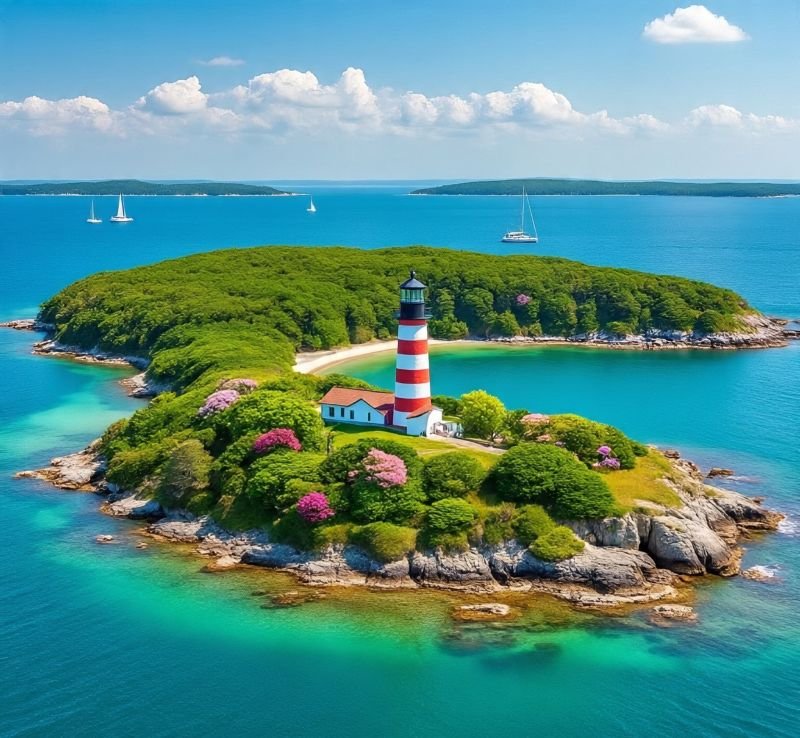

Nantucket, a small island off the coast of Massachusetts, is home to around 14,670 residents. Despite its modest size, the island has gained immense popularity among travelers. However, Nantucket stands out as an example of how a destination can address the growing challenge of overtourism. The island has used a combination of careful self-regulation and community-focused management to preserve its historical charm and natural beauty, all while reaping the economic benefits of tourism. Nantucket’s strategies offer valuable lessons for other places facing similar challenges, providing a sustainable approach to tourism that prioritizes both visitor satisfaction and environmental preservation. As overtourism increasingly threatens many iconic tourist destinations, Nantucket‘s model offers insights into maintaining the authenticity of a place without sacrificing its future.
A Community-Focused Approach to Preserving Tradition Amid Growth
Affectionately known as “The Little Grey Lady of the Sea”, Nantucket is not just a picturesque island; it is a community fiercely dedicated to safeguarding its cultural heritage. While many neighboring destinations in New England have been overwhelmed by mass tourism, Nantucket has managed to preserve its authenticity, despite the influx of visitors. Unlike other islands that have succumbed to overdevelopment, Nantucket has kept its identity intact by standing firm against the forces that threaten to commercialize the area.
The island’s residents have been steadfast in their determination to protect Nantucket‘s unique characteristics. They understand the importance of maintaining their island’s charm and have created a shared vision that ensures the protection of their home. As a result, the island has successfully resisted the changes that have transformed other popular destinations into tourist-heavy areas.
Strategic Measures to Limit Visitor Numbers
One of the most important aspects of Nantucket‘s strategy for preserving its integrity is its intentional control over the number of visitors. The island’s ferry system, which is the primary means of transportation to the island, is designed with limited capacity. Although it can accommodate over 400 passengers per trip during peak times, the locals have resisted calls to expand the ferry capacity, even though the demand continues to rise. This capacity limitation is seen as a form of crowd control, ensuring that the number of tourists does not overwhelm the island’s infrastructure and natural environment.
In addition to ferry capacity limitations, Nantucket has introduced several zoning laws that protect the island’s architectural and environmental integrity. For example, these laws impose height restrictions on new buildings and set guidelines for the architectural design of any new structures. Furthermore, the island enforces caps on large-scale developments, preventing the rise of massive resorts or hotel chains that would alter the island’s character. These measures ensure that Nantucket remains a place where the community’s values and history are protected, preventing large-scale commercialization like that seen in other destinations such as Martha’s Vineyard.
Handling the Seasonal Surge of Tourists
Every summer, Nantucket experiences a dramatic increase in population, with the number of visitors rising from 15,000 year-round residents to almost 80,000 during peak tourist season. This seasonal surge in visitors creates a unique challenge for the island. However, through careful planning and management, Nantucket has found ways to accommodate the increase in visitors without compromising the quality of life for residents or damaging the island’s character.
The key to managing the seasonal tourist surge is the active involvement of the island’s residents in tourism decision-making. Local leaders are directly involved in planning and regulating tourism growth, ensuring that it remains sustainable. The residents of Nantucket maintain control over how their island is developed, and this community-driven approach ensures that tourism growth does not threaten the island’s authenticity. Rather than letting commercial interests dictate the pace and scale of tourism, Nantucket has prioritized preserving its local culture, making sure that tourism remains a complement to, rather than a disruption of, local life.
Balancing Economic Growth with Local Welfare
Tourism plays a crucial role in Nantucket’s economy, contributing an estimated $286 million annually and supporting around 1,500 seasonal jobs. While tourism provides significant economic benefits, Nantucket has intentionally structured its tourism industry to ensure that the rewards stay within the local community. Rather than allowing outside corporations to dominate the island’s economy, Nantucket prioritizes small, locally-owned businesses, including shops, restaurants, and services, ensuring that profits are reinvested into the community.
Seasonal workers on the island tend to be those who return year after year. These employees are familiar with the local culture and values, which helps create a sense of continuity and connection to the island. In contrast to many other tourist destinations, where workers are temporary and profits are often funneled out of the local area, Nantucket’s model helps to create a more sustainable and authentic tourism experience. By hiring returning workers, the island ensures that its tourism industry aligns with its long-term goals of cultural preservation and environmental sustainability.
Preserving Cultural and Environmental Heritage
At the heart of Nantucket‘s tourism management is the commitment to preserving the island’s cultural and environmental heritage. The island’s historic district is not merely a collection of buildings but a living, breathing community where residents actively participate in maintaining the island’s architectural and cultural standards. One of the most important cultural practices on the island is Lightship basket weaving, a craft that has been passed down through generations. Thanks to the efforts of local artisans, the tradition of basket weaving continues to thrive, ensuring that Nantucket’s cultural heritage remains vibrant.
In addition to cultural preservation, Nantucket is deeply committed to protecting its environment. The island has established a network of nature reserves, which play a vital role in safeguarding its fragile ecosystems. These reserves not only provide vital protection for the island’s natural resources but also limit tourists’ access to sensitive areas, ensuring that these ecosystems are not disturbed by excessive foot traffic. Local volunteers serve as conservation guides, helping visitors understand the importance of preserving the island’s unique environment. Through education and engagement, Nantucket fosters a sense of responsibility among tourists, ensuring that they appreciate the island’s beauty while understanding the importance of protecting it.
What Other Destinations Can Learn from Nantucket
Nantucket offers several important lessons for other tourist destinations struggling with overtourism. One of the key takeaways is the importance of community involvement in tourism management. By ensuring that residents play a central role in making decisions about tourism policies—such as ferry schedules and event permits—the island has managed to ensure that tourism growth aligns with the values and priorities of the local community. This democratic approach helps to prevent outside commercial interests from taking over and ensures that the community retains control over the future of the island.
Additionally, Nantucket has embraced a seasonal model for tourism, allowing the island to maintain its authenticity while managing the pressures of tourism. Instead of striving for year-round growth, Nantucket focuses on the natural ebb and flow of tourism, with a clear emphasis on maintaining a balanced seasonal cycle. The off-season, which runs from November to April, provides a welcome break for the island’s residents and allows them to reconnect with the island without the pressures of large tourist crowds. This seasonal approach also helps preserve local traditions and cultural practices by providing the community with time to relax and recharge.
Tips for Responsible Travel to Nantucket
For those wishing to visit Nantucket while respecting its local culture and environment, the best approach is to travel during the shoulder seasons, such as late September or early May. These months offer an opportunity to enjoy the island’s beauty without the overwhelming crowds that characterize the peak summer season. Visiting during these quieter periods allows tourists to experience Nantucket at a more relaxed pace and to engage with the local culture in a more meaningful way.
Travelers are also encouraged to support local businesses by staying in locally-owned accommodations, dining at family-run restaurants, and purchasing authentic Nantucket crafts instead of mass-produced souvenirs. These small actions help contribute to the preservation of the island’s culture and ensure that the benefits of tourism stay within the community.
Moreover, tourists are urged to approach their visit with an understanding of the island’s efforts to preserve its character. By respecting the local values and acknowledging the challenges of maintaining Nantucket’s unique identity, visitors can help ensure that the island remains a vibrant and authentic destination for future generations.
A Blueprint for Sustainable Tourism
Through a combination of community involvement, careful planning, and environmental stewardship, Nantucket has shown that it is possible to balance tourism with the preservation of cultural and environmental heritage. The island has developed a model that not only allows it to benefit economically from tourism but also ensures that the local culture and natural beauty are preserved for future generations. Nantucket provides a shining example of how tourism and preservation can coexist, offering valuable lessons for other destinations struggling with the challenges of overtourism. By embracing sustainable tourism practices, Nantucket has set a new standard for what responsible tourism should look like in the 21st century. As other destinations continue to face the pressures of mass tourism, Nantucket offers a vision of what can be achieved when communities work together to protect their home.
The post How Nantucket Is Guarding Its Charm and History Against Overdevelopment in Massachusetts Is It the Future of Sustainable Tourism? appeared first on Travel And Tour World.