Greece Pursues Sustainable Tourism Growth with Eco-Friendly Initiatives, Regional Development and Global Partnerships
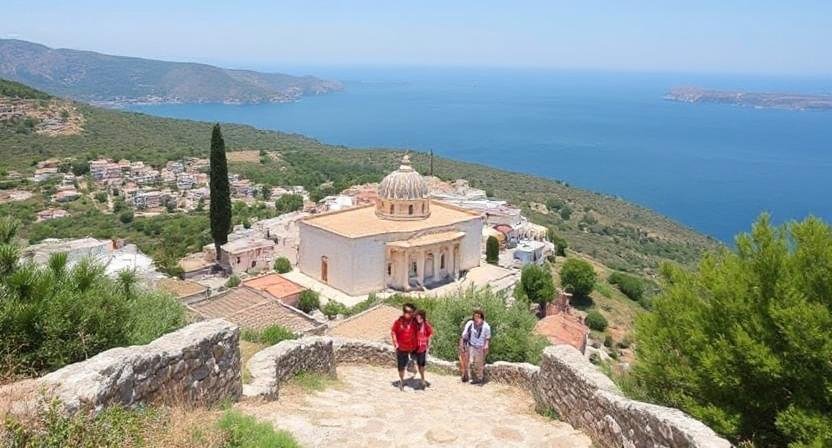

Greece’s tourism industry has been a key backbone of its economy for years, welcoming millions of tourists annually to bask in the country’s rich heritage, natural scenery, and historical sites. But as the global tourism landscape shifts and as the need to solve the climate crisis accelerates, Greece is about to redefine its tourism model. The nation is more and more putting emphasis on sustainable tourism so that development within the industry does not mean depleting the natural resources, the local people, or the next generation.
Leveraging Greece’s Rich Cultural and Natural Heritage
The foundation of Greek tourism has always been built upon its cultural richness and breathtaking landscapes, from ancient ruins like the Acropolis to the stunning islands of the Aegean Sea. However, the future of tourism in Greece lies in the ability to sustainably manage these assets while fostering tourism experiences that go beyond the usual attractions. By focusing on the preservation of heritage sites, eco-tourism, and the promotion of local culture, Greece can ensure that these treasures remain available for future generations of tourists and locals alike.
Expanding Tourism While Protecting Natural Resources
A major component of Greece’s strategy is ensuring that its tourism growth aligns with the preservation of natural environments. The introduction of programs such as the “Untrodden Mountains and Beaches” initiative, the designation of marine parks in the Ionian and Aegean Seas, and the establishment of protection zones around vulnerable ecosystems highlight Greece’s proactive approach to eco-tourism. These efforts not only protect the natural landscape but also create new opportunities for nature-based tourism that attracts visitors seeking authentic, eco-friendly experiences.
By focusing on conserving marine life, biodiversity, and protected areas, Greece is positioning itself as a leader in sustainable tourism. Visitors increasingly seek destinations that offer nature-centered experiences without contributing to environmental degradation, and Greece is well-positioned to meet this demand.
Redefining Tourism with Sustainable Mobility and Green Infrastructure
In addition to protecting natural landscapes, sustainable mobility and green infrastructure are central to Greece’s vision for the future of tourism. The country is investing in renewable energy, energy-efficient systems, and sustainable transport networks that will help reduce the carbon footprint of the tourism sector. These efforts include the development of electric vehicle charging stations, promoting bike-friendly infrastructure, and introducing sustainable transport options to help tourists navigate Greece in an eco-friendly manner.
The circular economy also plays a significant role in this strategy. Greece is working to reduce waste, promote responsible water usage, and encourage recycling across the tourism sector. Sustainable hotel management practices, such as reducing energy consumption and water use, are becoming the standard, ensuring that tourism growth does not lead to unsustainable pressure on local ecosystems.
Education and Awareness: Building a Culture of Sustainability
For sustainable tourism to succeed in Greece, it is essential to educate both tourists and local communities about the importance of environmental responsibility. Educational programs for tourists can promote eco-conscious travel behaviors, such as reducing waste, respecting wildlife, and conserving natural resources.
At the same time, training programs for tourism professionals in Greece are vital. By empowering hoteliers, guides, and local businesses with the knowledge and tools to implement sustainable practices, Greece can ensure that sustainability is woven into every aspect of the tourism experience. This industry-wide commitment to sustainability will create a culture of eco-tourism that benefits both the environment and the local communities that depend on tourism.
Promoting Lesser-Known Destinations and Extending the Tourism Season
A critical aspect of sustainable tourism is spreading tourism more evenly across time and space. By promoting lesser-known destinations and encouraging travel during the off-season, Greece can alleviate pressure on its most visited sites, such as Santorini and Mykonos, and ensure that tourism revenue is distributed more equitably across the country.
Extending the tourism season beyond the summer months and encouraging travel in spring and autumn will help reduce the strain on the islands during peak times, ensuring sustainable growth year-round. Lesser-known destinations like Crete, Thessaloniki, and Peloponnese offer unique experiences, and encouraging tourists to visit these places will help reduce overcrowding and promote regional economic development.
Inclusive Tourism: Ensuring Fair Distribution of Benefits
One of the pillars of sustainable tourism is ensuring that local communities benefit from tourism growth. Greece is committed to ensuring that tourism’s economic benefits are shared fairly and that local populations are involved in decision-making processes. Promoting local products, supporting traditional artisans, and fostering community-led tourism initiatives can help ensure that tourism revenue stays within local economies.
Moreover, job creation within the tourism sector must focus on quality employment that offers fair wages, improved working conditions, and year-round job security. By working together with the private sector, local communities, and public authorities, Greece can create a tourism model that is both economically rewarding and socially inclusive.
Investments in Green Technologies: Driving Innovation in Tourism
Investment in green technologies is central to the sustainability of Greece’s tourism sector. With an increasing global focus on renewable energy and digital transformation, Greece is set to gain a genuine advantage in the tourism market. The implementation of solar energy, wind power, and energy-efficient systems will help Greece’s tourism infrastructure meet the highest standards of environmental sustainability.
Furthermore, smart mobility solutions, including electric buses, charging stations, and app-based public transport systems, will offer tourists seamless and eco-friendly ways to explore the country’s cultural and natural landmarks.
Greece’s Vision: Leading in Sustainable and High-Quality Tourism
Greece is best placed to take Europe forward in sustainable and quality tourism. Equipped with its natural resources, cultural wealth, and increasing passion for sustainability, Greece possesses all the components required to excel in the eco-tourism industry. Greece is not only intent on receiving more tourists but on providing a destination experience that gives credence to the place, the planet, and the inhabitants.
By continuing with sustainable policies, green innovations, and civic participation, Greece is laying the groundwork for sustainable tourism that will last for generations to come. The actual challenge now isn’t how to get more tourists, but how to make every aspect of the tourist experience honor and defend Greece’s cultural and natural heritage.
The post Greece Pursues Sustainable Tourism Growth with Eco-Friendly Initiatives, Regional Development and Global Partnerships appeared first on Travel And Tour World.