China Golden Week Spending Hits Three-Year Low: Regional Travel Surges as Consumers Opt for Affordable, Budget-Friendly Experiences
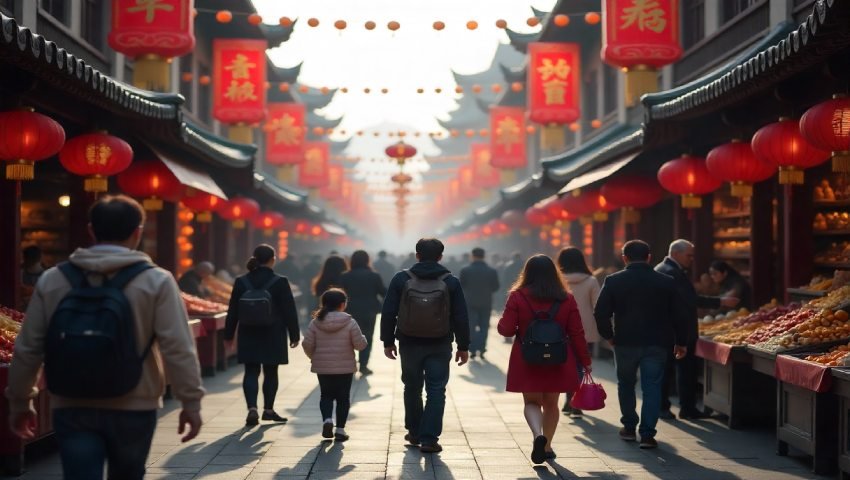

This year’s Golden Week in China, one of the most highly anticipated travel periods of the year, has shown disappointing results for the travel and tourism industry. Despite high expectations for a boost in consumer spending and a surge in travel during the eight-day holiday, spending per trip dropped to a three-year low. The period, which coincided with the Mid-Autumn Festival and ran from October 1 to 8, showed that while travel volume increased, the economic recovery remained slow, primarily due to factors like weak consumer confidence, trade tensions, and issues in the property sector.
A Dip in Spending and Consumer Confidence
During this year’s Golden Week, the average spending per trip by Chinese holidaymakers was 911.04 yuan (approximately $113.52), marking a 0.55% decrease from the previous year. This decrease is especially notable because it represents the lowest level of spending since 2022, when the country faced strict COVID-19 lockdowns. The decline in spending has caught the attention of the travel industry, especially as many had hoped that a stock market rally, which had reached decade-high levels, would spark an increase in consumer confidence and encourage higher spending during the holiday.
However, the anticipated “wealth effect” from the stock market boom was limited, as analysts noted there was little evidence that it significantly boosted consumer spending, particularly when considering the ongoing economic pressures facing the country. Nomura analysts pointed out that despite the rally, the broader issues affecting Chinese consumers—such as economic instability and the housing sector slowdown—prevented many from loosening their purse strings.
Domestic Travel and Regional Shifts
Despite the decline in individual spending, domestic travel surged. The Culture and Tourism Ministry reported that 888 million trips were taken during the Golden Week holiday, marking an increase from 765 million trips last year. Although the total volume of travel increased, the spending per trip was lower, highlighting a growing trend of budget-conscious travel.
Domestic tourism revenue reached 809 billion yuan, representing a 15% increase compared to last year. This growth suggests that while individual expenditures may have decreased, there is still a strong desire among Chinese citizens to travel within the country. One notable trend was the shift toward lower-tier cities, with more travelers opting for regional travel rather than visiting major hotspots. This shift signals a broader preference for affordable and accessible travel experiences.
Changes in Accommodation Preferences
As travelers seek more cost-effective options, the demand for affordable accommodations in lower-tier cities has surged. H World Group, a prominent hotel operator with over 12,000 hotels in China, reported that hotels in lower-tier cities saw the highest demand during Golden Week. Hanting and JI Hotels, which cater to budget-conscious travelers, were among the most popular choices. Hanting, with room rates ranging from 200 to 500 yuan per night, and JI Hotels, offering rooms between 350 and 800 yuan per night, both saw significant bookings during the holiday.
This shift in accommodation preferences is a reflection of the broader trend toward short-haul, budget-friendly trips. Instead of spending on expensive long-haul flights and upscale hotels, Chinese travelers are opting for more regional stays that provide good value without compromising on quality.
Declining Box Office Earnings and Changing Entertainment Habits
The Chinese box office, typically a big winner during Golden Week, saw a significant decline this year. Total earnings from movie tickets during the holiday reached 1.835 billion yuan, down 12.8% from the previous year’s 2.105 billion yuan. This was even more striking when compared to the 2.735 billion yuan earned during the eight-day National Day holiday in 2023.
Several factors contributed to this drop, including the lack of major blockbuster releases during the holiday. Many consumers, including Liu Tao, a Beijing resident, opted to spend time traveling instead of going to the cinema. With fewer exciting movie releases, many turned to short-form video content on their smartphones, which has become a more accessible and free alternative to traditional cinema entertainment. This change in entertainment habits signals a shift away from traditional cinemas as more consumers choose digital content over long cinema visits.
The Economic Pressures Affecting Travel Spending
The drop in consumer confidence and spending during the holiday is a reflection of broader economic concerns in China. The country is facing multiple pressures, including increased competition in domestic markets, trade tensions, and ongoing challenges in the property sector. These factors have left many Chinese consumers feeling uncertain about their financial situation, which has made them more hesitant to spend on luxury travel or long-distance vacations.
This sentiment is visible across several sectors, including retail and tourism, as consumers prioritize savings over discretionary spending. The latest spending data shows that many consumers are hesitant to open their wallets, especially with concerns over job security and the housing market. This has led to cautious spending even during major travel periods like Golden Week, traditionally a peak time for tourism.
Looking to the Future: Regional and Affordable Travel
While the decline in spending is a concerning trend, there is hope in the shift towards regional travel and more affordable accommodations. As the Chinese economy continues to face challenges, domestic tourism remains a bright spot. The focus is now on affordable, regional travel experiences, with many consumers opting for budget-friendly options that still offer a high-quality experience. This trend suggests that regional tourism and short-haul travel may play a more significant role in the future of China’s travel industry.
The travel industry will need to adapt to these changing preferences by offering more value-driven experiences that meet the needs of today’s more cautious traveler. With domestic tourism continuing to thrive, the focus will likely shift toward creating affordable and sustainable travel options within China’s borders.
Conclusion: A Turning Point for the Travel Industry
The results from this year’s Golden Week holiday serve as a reminder that economic pressures can significantly affect travel behavior, even during peak seasons. While travel volume has increased, the decline in spending and the shift in entertainment habits suggest that Chinese consumers are becoming more cautious with their disposable income.
For the Chinese travel industry, this means that regional tourism, budget-friendly accommodations, and short-haul trips will likely continue to dominate the market. The challenge for the industry will be to adapt to these changes and offer consumers value-driven experiences that align with their evolving preferences.
[Source: Reuters]
The post China Golden Week Spending Hits Three-Year Low: Regional Travel Surges as Consumers Opt for Affordable, Budget-Friendly Experiences appeared first on Travel And Tour World.