Balochistan’s Blue Economy Promises Major Growth for Pakistan’s Tourism Sector, Here’s All You Need to Know
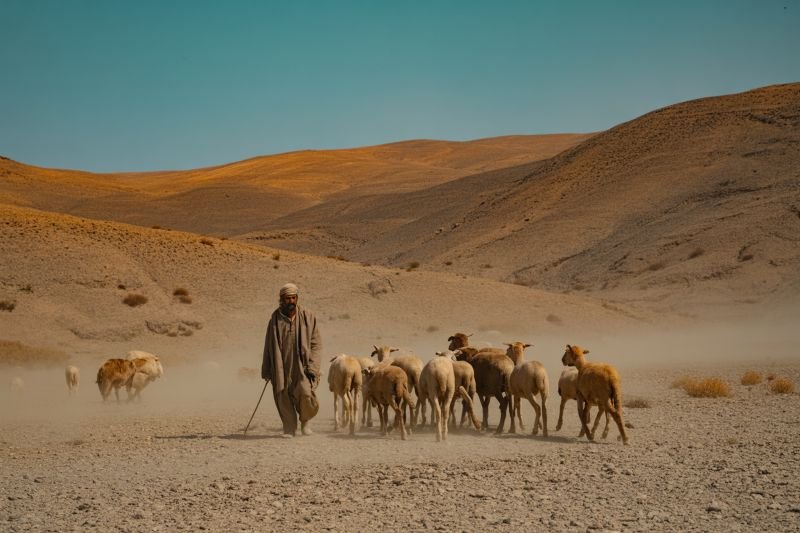

The Balochistan Grand Tourism Festival 2025 is happening in Islamabad and Balochistan identifies the festival’s future. For many days and participants, Balochistan’s culture is highlighted and they are told about the great and expandable wealth and resources the province has concerning seaports, nature, and the maritime sector. Balochistan is and should be the wealth generator for the province and for the festival participants and the province needs to be invested in.
Balochistan’s 900 km coastline goes hand in hand with the festival’s Blue Economy discussions. The Blue Economy is important for the entire country and is also part of the profits and wealth the coastline brings. Balochistan advances and so does Pakistan. Balochistan further advances the tourism sector and profitable fisheries and crosses international boundaries via trade to further profit the tourists and Balochistan.
Blue Economy as a Strategic Driver for Growth
During the second day of the festival, Dr. Babar Bilal Haider, an economic expert, addressed the potential of Balochistan’s Blue Economy. He emphasized that the development of the province’s coastline and maritime resources could become the backbone of Pakistan’s economic progress. The Blue Economy, which involves the sustainable use of ocean resources for economic growth, livelihoods, and jobs, is seen as one of the most promising areas for Balochistan’s development.
Dr. Haider stated, “With its rich marine life, vast coastline, and port cities, Balochistan is poised to become a leading hub for maritime trade, fisheries, and eco-tourism. The development of this sector could substantially boost Pakistan’s financial stability and provide a long-term solution to the region’s economic challenges.”
This call for the promotion of the blue economy resonates with those looking to diversify Pakistan’s economy beyond traditional industries like agriculture and textiles. Experts believe that maritime trade, fisheries, and eco-tourism are areas that could bring foreign exchange into the country, creating sustainable jobs and driving growth in several sectors.
Investment Opportunities in Key Coastal Areas
A major part of the discussion at the festival was focused on the investment potential in Balochistan’s coastal areas. The key locations identified as areas for growth include Gwadar, Jiwani, Ormara, Gadani, Sonmiani, and Pasni. These regions are seen as ideal sites for tourism, infrastructure development, and maritime activities.
Gwadar, in particular, has garnered significant attention due to its strategic location as a deep-water port. The development of Gwadar Port is considered a key driver of economic activity in the region, with the potential to facilitate international trade and boost local tourism. In addition to its importance in trade, Gwadar is also positioned to become a popular destination for tourists looking to explore its scenic beaches and experience eco-tourism activities, including diving, fishing, and cultural exploration.
Other coastal cities like Jiwani and Ormara are also highlighted for their potential to attract tourists seeking natural beauty and authentic local experiences. With their pristine beaches, rich marine life, and historical significance, these areas offer ample opportunities for tourism businesses, particularly in eco-friendly tourism and adventure tourism. The festival emphasized the need for public-private partnerships to promote sustainable growth in these areas, aligning with global trends towards responsible tourism development.
Maritime Training Institutes and Fish Processing Units for Sustainable Growth
A key proposal from experts at the festival was the establishment of Maritime Training Institutes and Fish Processing Units in Balochistan. These initiatives would provide the necessary skills and infrastructure to support the province’s growing maritime sector.
A Maritime Training Institute would equip the local workforce with the knowledge and skills required for jobs in shipbuilding, maritime logistics, sailing, and fishing. With the expanding importance of Gwadar Port and other coastal infrastructure projects, such an institution could serve as a critical component in preparing the next generation of workers for the booming blue economy.
In addition to maritime training, the establishment of Fish Processing Units would enable Balochistan to capture more value from its rich marine resources. By processing fish, seafood, and other marine products locally, these units could help develop sustainable fisheries, create jobs, and meet the growing global demand for seafood. Such infrastructure would also help reduce food waste and improve the quality of local fish products, making them more competitive in international markets.
Promoting Sustainable Tourism and Cultural Heritage
In addition to the economic discussions, the festival also emphasized the importance of sustainable tourism practices. Participants called for the development of tourism initiatives that focus on protecting Balochistan’s natural resources and cultural heritage. The province is home to a wealth of historical landmarks, ancient forts, and unique cultural experiences that can be showcased to visitors while preserving the environment and local communities.
Balochistan’s natural beauty, with its rugged mountains, vast deserts, and secluded beaches, is a major attraction for eco-tourists and adventure travelers. The festival highlighted the importance of developing eco-friendly accommodations, guided tours, and experiences that promote cultural immersion while minimizing the impact on the environment.
Cultural tourism also plays a vital role in showcasing Balochistan’s rich history and traditions. Visitors can explore local crafts, traditional music, and unique cuisine. Promoting these cultural assets alongside nature-based tourism can offer a more holistic experience for travelers while supporting the livelihoods of local artisans and communities.
The Role of Public-Private Partnerships in Driving Development
Throughout the festival, experts emphasized the need for strong public-private partnerships to unlock the potential of Balochistan’s tourism and blue economy. Government support in infrastructure development, including transportation, accommodations, and utilities, is essential for creating a sustainable tourism ecosystem in the province. At the same time, private sector investments in hospitality, tourism services, and marine industries will help create jobs and attract international visitors.
Local government officials, including Secretary Sohail Rehman Baloch, Dr. Daud Tareen, and Hashim Khetran, were vocal in their support for these initiatives. They affirmed their commitment to joint efforts in developing the region’s natural wealth and blue economy to create a thriving tourism and economic hub for Pakistan.
A Promising Future for Balochistan’s Tourism and Economy
The Balochistan Grand Tourism Festival 2025 emphasized the potential prospects of the blue economy and sustainable tourism in the province. With sustainable coastline investment and the construction of training institutes suited for Balochistan’s immediate surroundings, the province is on the pathway to command Pakistan’s maritime trade and tourism. Prosperity for the province and sustainable tourism will continue to grow in Balochistan’s future as these sectors expand, aligned to the expectations of public-private partnerships.
Balochistan will further integrate its sustainable development goals with the cultural development of its local communities and responsible exploitation of its coast to solidify its position on the tourism and economic front in Pakistan.
The post Balochistan’s Blue Economy Promises Major Growth for Pakistan’s Tourism Sector, Here’s All You Need to Know appeared first on Travel And Tour World.