Unified GCC Visa To Let UAE Travellers Visit Saudi Arabia, Kuwait, Oman, Qatar, And Bahrain With One Permit – Here’s What You Need to Know in Detail
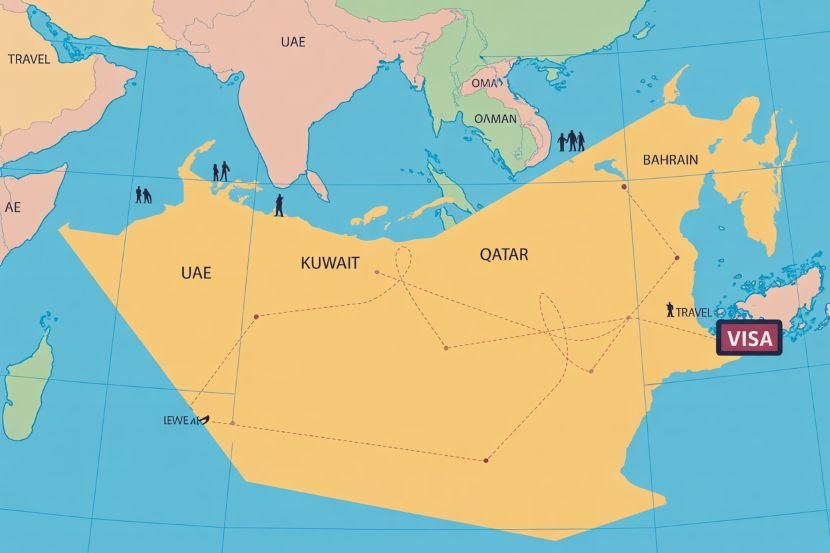
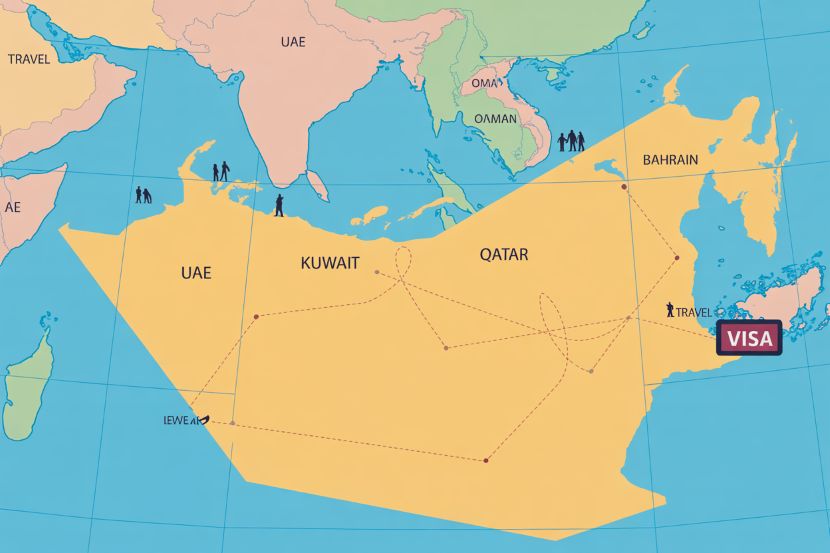
UAE residents may soon find travel across the Gulf much easier. The new Unified GCC Visa will allow them to visit all six Gulf Cooperation Council (GCC) countries — the UAE, Saudi Arabia, Kuwait, Oman, Qatar, and Bahrain — using a single permit. The visa aims to make regional travel faster, cheaper, and more convenient by replacing the need to apply for separate e-visas for each country. Here’s how it compares in cost, what to expect, and how you can prepare before it launches.
What the Unified Visa Offers
The Unified GCC Visa, also referred to as the GCC Grand Tours Visa, is expected to roll out soon across the Gulf. The system will allow travellers to move freely between GCC countries using one permit, much like Europe’s Schengen visa.
Travellers will have two options:
- Single-country visa, for visiting one Gulf nation at a time.
- Multi-country visa, allowing entry into multiple GCC states on one trip.
Depending on the visa type, it will likely be valid for 30 to 90 days. Applications are expected to be made entirely online, cutting down on embassy visits and paperwork.
How Much Will It Cost?
Officials have indicated the visa will cost between US$90 and US$130 (around Dh330–Dh480). This puts it in the mid-range compared to current e-visa costs across the region.
Current GCC e-Visa Fees for UAE Residents
- Oman – The GCC Resident e-Visa costs OMR 5 (Dh48) for a single-entry, 28-day visit.
- Qatar – Single-entry e-Visa costs about QAR 100 (Dh100–Dh105) for up to 30 days.
- Saudi Arabia – Multiple-entry e-Visa valid for one year costs about SAR 535 (Dh525), including travel insurance.
- Bahrain – A single-entry visa costs BD 29 (Dh284), while a three-month multiple-entry permit costs BD 77 (Dh756).
- Kuwait – GCC residents can now get a 30-day visa on arrival, estimated to cost Dh250–Dh300.
In short: the unified visa will cost more than low-priced options like Oman’s but may save money overall if you plan to visit more than one Gulf country.
Why It Matters
This visa could change how UAE residents travel across the region. Instead of applying for multiple permits, travellers will only need one, making it easier to plan multi-destination holidays or short business trips. It also reduces the cost and time of managing several e-visas.
For those who travel often for work or family visits, the new system offers clear convenience. It’s especially helpful for residents who make frequent cross-border trips for shopping, leisure, or meetings.
Travel Tips For UAE Residents
To make the most of the upcoming visa system, here’s what to keep in mind:
- Check eligibility early – Ensure your UAE residence visa is valid for at least six months. Some GCC countries may also require you to hold a specific occupation.
- Pick the right option – A single-country visa may work if you’re only going to one country, while the multi-country visa will be worth it for multi-stop trips.
- Prepare required documents – Keep a valid passport, Emirates ID, passport-size photo, accommodation booking, and a return ticket ready for online submission.
- Know the stay limits – Expect the unified visa to allow stays from 30 to 90 days, depending on the type. Overstaying could lead to fines or travel restrictions.
- Watch for updates – GCC authorities are expected to announce the official launch date and portal soon. Until then, existing e-visa systems remain in use.
- Plan ahead for insurance – Some countries, such as Saudi Arabia, include travel insurance in their visa fees. Confirm what’s included before paying.
Comparing The Value
For travellers who only visit one Gulf destination at a time, a local e-visa may still be cheaper. But if you travel to two or more GCC countries within a few months, the unified visa can save both money and time. It could also simplify road or air travel across borders, encouraging weekend trips and regional tourism.
The system is also expected to boost tourism across the Gulf. Each country offers distinct experiences — Saudi Arabia’s heritage sites, Oman’s coastal mountains, Qatar’s cultural attractions, Kuwait’s markets, and Bahrain’s island resorts. The unified visa could make it much easier to explore these destinations in one trip.
What To Expect Next
When launched, the Unified GCC Visa will likely operate alongside existing e-visas until the system is fully tested. Travellers can expect:
- A multi-entry permit allowing travel between GCC states without reapplying.
- A digital application process for faster approvals.
- Standardized rules on documentation and stay periods.
As GCC countries coordinate their tourism policies, this visa could become a key step toward a more connected regional travel system.
Looking Ahead
For now, UAE residents can continue using existing e-visa platforms, which remain simple and reliable. But once the Unified GCC Visa becomes available, it could reshape Gulf travel completely — making weekend getaways, family trips, and business visits across the six nations far easier and potentially cheaper.
Whether you’re exploring Oman’s wadis, shopping in Kuwait, or heading to Qatar’s museums, this upcoming permit could make regional travel smoother than ever.
The post Unified GCC Visa To Let UAE Travellers Visit Saudi Arabia, Kuwait, Oman, Qatar, And Bahrain With One Permit – Here’s What You Need to Know in Detail appeared first on Travel And Tour World.