Saudi Arabia, Morocco and UAE Lead MENA’s Tourism Growth with Strategic Initiatives, Get All the Details Here
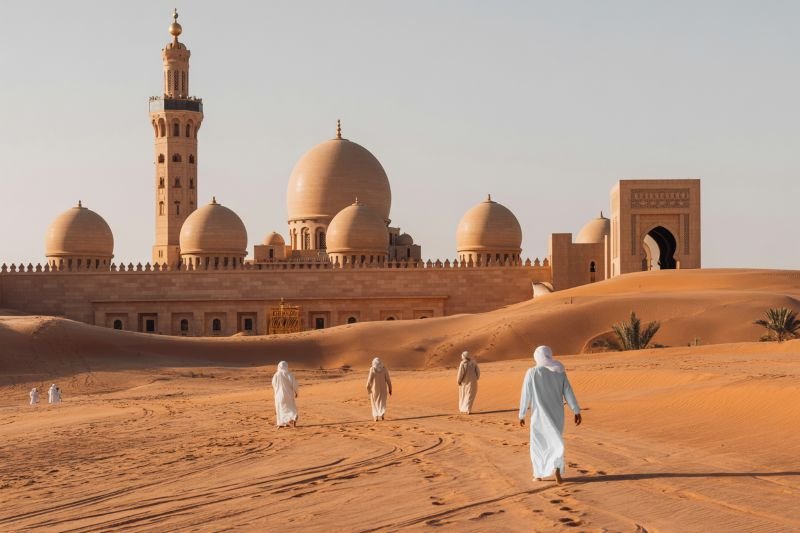

In 2025, the MENA Region has the potential to witness unprecedented growth within the tourism and hospitality sector, due to the completion of mega projects, the impact of key policy changes, and the recovery from the pandemic. Countries like Saudi Arabia and Morocco are transforming the region’s tourism offering and carving a niche in the global tourism market which is gaining the attention of investors and travelers. With such positive developments, the MENA Region is priming the tourism sector to transform the economies of the region through economic growth, job creation, and positive socio-economic development.
Strong Post-Pandemic Recovery Drives MENA Tourism
The MENA region’s tourism sector has shown remarkable resilience and recovery since the pandemic, with the industry poised to generate approximately US$367 billion in regional GDP in 2025. This robust growth is expected to create 7.7 million jobs in the tourism sector, illustrating the significant impact of travel and hospitality on local economies. The surge in international visitor spending is projected to reach nearly US$194 billion, surpassing pre-pandemic levels by around 24 percent.
This growth is fueled by the return of international tourists to key destinations in the MENA region, as countries open their doors to travelers with relaxed travel restrictions, enhanced safety measures, and new attractions. The combination of a recovering global tourism market and strategic investment initiatives has created fertile ground for the MENA region’s tourism industry to flourish.
GCC Countries Lead the Charge: Saudi Arabia’s Vision 2030 and Regional Growth
The Gulf Cooperation Council (GCC) countries are at the forefront of this tourism boom, with Saudi Arabia leading the charge. The country’s Vision 2030 initiative, which aims to diversify its economy and reduce dependence on oil, has placed tourism at the center of its economic plans. In 2023, Saudi Arabia saw a record 27.4 million tourist arrivals, with 58 percent of them visiting for leisure purposes. This marks a significant milestone in the country’s ambitious goals to position itself as a global tourism hub.
As part of its Vision 2030, Saudi Arabia is on track to contribute more than 10 percent of its GDP from tourism by 2025. To support this goal, the country has invested heavily in infrastructure, including new resorts, cultural attractions, and entertainment complexes. Saudi Arabia is also expected to welcome 150 million visitors by 2030, further solidifying its position as a leader in the region’s tourism industry.
Hotel Development and Infrastructure Investment Surge
The growth of the MENA tourism industry is closely linked to significant investment in hospitality infrastructure. In the first half of 2025, the region’s hotel development pipeline reached a record 650 projects, totaling 161,574 rooms. Saudi Arabia is leading the charge with nearly 92,000 rooms under development, followed by Egypt with 28,000 rooms, the UAE with 25,470 rooms, Oman with 4,709 rooms, and Qatar with 3,500 rooms.
These developments reflect the region’s commitment to meeting the growing demand for high-quality accommodations, ranging from luxury hotels to mid-range properties. With the surge in tourism numbers, these investments in hospitality are designed to cater to a diverse range of travelers, from those seeking luxury stays to those looking for more budget-friendly options.
In addition to new hotel developments, the region is also investing in other tourism-related infrastructure such as airports, transportation networks, and entertainment facilities. These projects aim to enhance the overall visitor experience, ensuring that tourists have access to world-class services and amenities during their stays.
Morocco’s Tourism Diversification Strategy and Regional Impact
Morocco, a key destination in North Africa, is also seeing significant strides in tourism growth. The country has implemented a robust tourism diversification strategy, focusing on expanding its cultural, adventure, and eco-tourism offerings. By focusing on sustainable tourism development, Morocco is attracting tourists seeking unique experiences in both urban and rural settings.
Morocco’s strategy not only aims to increase the number of international visitors but also encourages longer stays, which has a positive impact on the country’s economy. The country’s ancient cities, such as Marrakech and Fes, alongside its beautiful coastal regions and mountain ranges, are drawing travelers from around the world.
As part of Morocco’s vision to diversify its tourism offerings, the country is investing in infrastructure and services that will support its growing number of international visitors. This includes the development of new resorts, cultural attractions, and eco-friendly travel options. These investments will ensure that Morocco remains a top destination in the MENA region, offering a wide range of experiences for both leisure and business travelers.
The Impact of Tourism on Employment and Regional Economies
Tourism has become a key driver of employment and economic growth in the MENA region. With an estimated 7.7 million jobs expected to be generated by the tourism sector in 2025, the industry plays a pivotal role in supporting local communities. These jobs span across various sectors, including hospitality, transportation, entertainment, and retail, ensuring that the benefits of tourism are felt throughout the region.
The positive economic impact of tourism extends beyond job creation. The sector also contributes to local businesses, including restaurants, shops, and tour operators, driving growth and investment in these industries. In many MENA countries, tourism is a vital source of foreign exchange, contributing to the region’s overall economic stability.
Sustainability and Responsible Tourism in the MENA Region
As the MENA region continues to experience rapid growth in tourism, sustainability has become a key focus for many governments and stakeholders in the industry. With the rise in visitor numbers, there is an increased emphasis on promoting responsible tourism practices that protect natural resources, preserve cultural heritage, and minimize environmental impact.
Countries such as the UAE, Saudi Arabia, and Morocco have introduced sustainable tourism initiatives, such as eco-friendly accommodations, waste management programs, and conservation efforts in national parks and heritage sites. These initiatives aim to balance tourism growth with environmental preservation, ensuring that the region’s natural beauty and cultural assets remain intact for future generations.
Looking Ahead: MENA Tourism’s Promising Future
The tourism and hospitality industry in the MENA region is on track for continued growth in 2025 and beyond. With substantial investments in infrastructure, hotel development, and regional partnerships, the MENA region is positioning itself as a global tourism leader. Whether through Saudi Arabia’s Vision 2030, Morocco’s diversification strategy, or the continued expansion of destinations like the UAE, the region is set to attract millions of tourists in the coming years.
As the industry grows, the emphasis on sustainable practices and responsible tourism will ensure that the MENA region remains a vibrant and attractive destination for travelers from around the world. The outlook for MENA tourism is positive, with more job opportunities, enhanced economic contributions, and a diverse range of experiences awaiting future visitors.
The Future of MENA Tourism
The record growth of the MENA tourism and hospitality industry in 2025 acknowledges the region’s efforts in diversifying its offerings and attracting visitors from around the globe. The region’s commendable efforts towards achieving extensive infrastructure development, tourism sustainability, and growth goals, are bound to establish MENA as one of the prominent tourism hotspots in the world. With the ongoing transformation of the industry, the MENA region will have the prospect of heightened economic growth, job opportunities, and enhanced global relations. The future of tourism in the MENA region brings promising growth and development opportunities for potential visitors and tourism industry stakeholders.
The post Saudi Arabia, Morocco and UAE Lead MENA’s Tourism Growth with Strategic Initiatives, Get All the Details Here appeared first on Travel And Tour World.