New York Joins Los Angeles, Paris, London, Tokyo, and Sydney to Join the Global Nightmare with Overcrowded Flights, Bumping Scandals, and Travel Chaos as Airlines Fail to Handle Record Demands: Shocking Reports Unveil
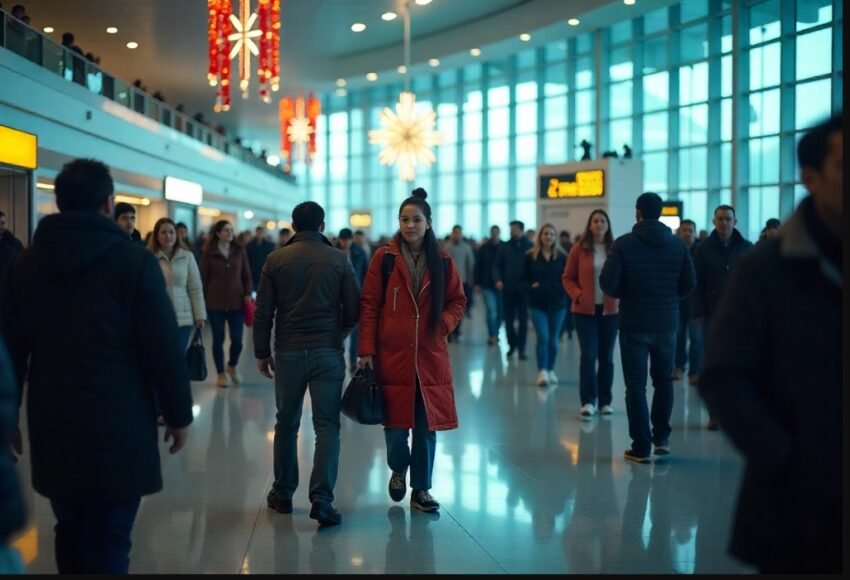

In 2024 and 2025, overcrowded flights have become a growing crisis as record numbers of passengers flood airports due to the post-COVID recovery and a global workforce shortage. TSA screenings soared to over 3 million passengers per day in 2025, marking one of the busiest travel years in history, straining airport systems and causing major delays at hubs like New York, Los Angeles, and Chicago. Hurricane Debby (2024) and Hurricane Beryl (2025) disrupted air travel with over 1,500 flights canceled, leading to stranded passengers. Overbooking by airlines, with Delta and Southwest among the worst offenders, worsened the crisis, leaving 6.6 million passengers bumped in 2024 alone. One shocking incident saw passengers on Air Peace standing for an entire flight between Lagos and Johannesburg. Labor strikes at WestJet, Lufthansa, and Air France compounded the issue, leading to more delays and cancellations. The economic impact on airlines has been severe, with lost revenue from cancellations, and regulators are under pressure to address passenger rights. With record demand, airlines and airports must adapt, investing in staffing, technology, and customer service to prevent further chaos. Reform is necessary to ensure safe, efficient air travel.
The Overcrowded Flight Phenomenon: A Growing Crisis
In 2024, record numbers of people took to the skies as countries began recovering from the impact of the COVID-19 pandemic, with many families, businesses, and travelers eager to resume their normal lives. This sudden rebound in air travel, paired with a global workforce shortage, led to overcrowded airports and flights. The situation has worsened in 2025, as summer months saw record TSA screenings and peak travel days for U.S. airports.
The Transportation Security Administration (TSA), for instance, reported that over 3 million passengers were screened on June 22, 2025, marking one of the busiest travel days in history. The global surge in air travel has exacerbated the pressure on airlines and airports, contributing to heightened stress among passengers and significant delays. Airlines were often forced to delay flights, oversell seats, and even reroute flights to accommodate the overwhelming demand. This created a snowball effect in delays, especially at major international hubs like New York, Los Angeles, and Chicago.
One notable incident in 2024 occurred at John F. Kennedy International Airport (JFK), where long lines and flight delays caused chaos for passengers attempting to catch their connecting flights. The combination of oversold flights, increased travel volume, and inefficient air traffic control resulted in the airport being severely congested. Passengers had to wait for several hours, with some even resorting to booking alternative routes.
The Role of Hurricanes and Severe Weather in Travel Chaos
In 2024, and continuing into 2025, hurricanes and other severe weather events wreaked havoc on air travel. Airlines and passengers were particularly affected by Hurricane Debby, which struck in September 2024. Over 1,500 flights were canceled, and hundreds more were delayed as U.S. airports braced for the hurricane’s impact. The FAA and airlines scrambled to adjust flight schedules, rerouting aircraft to avoid the storm’s path, and thousands of passengers were stranded.
Hurricane Beryl, in 2025, also played a major role in disrupting air travel, with multiple U.S. airports such as Miami International and Orlando International reporting severe delays and cancellations. The extreme heat and high winds caused the FAA to ground flights and force significant air traffic rerouting to ensure passenger safety. These weather-related disruptions also led to airport overcrowding, with travelers facing hours of waiting time as the number of available flights dwindled.
The Impact of Overbooking and Overselling: Passengers Left Standing
One of the most controversial aspects of overcrowded flights is the overselling and overbooking of tickets. Airlines often overbook flights to compensate for expected no-shows, but with record demand in 2024 and 2025, airlines increasingly found themselves in the situation of having more passengers than available seats.
The American aviation industry alone faces an annual problem where airlines bump millions of passengers due to overbooked flights. In 2024, 6.6 million passengers were denied boarding despite having valid tickets. The practice of denied boarding—where passengers are involuntarily removed from flights—has sparked significant backlash from customers and regulators alike. Delta, American Airlines, and Southwest Airlines were among the worst offenders of overbooking in 2024, with numerous reports of passengers being forced to stand or make alternate arrangements after being bumped from flights.
In one shocking instance, Air Peace, an African airline, went viral in 2024 when a video showed passengers standing for the entire flight, including an overbooked Boeing 737 between Lagos and Johannesburg. The incident sparked outrage on social media, drawing attention to the increasingly unsafe and uncomfortable conditions on overbooked flights. Passengers were not only left standing but were subjected to long periods of discomfort during their flights.
The Role of Strikes in Fueling Travel Chaos
Beyond weather and overbooking, labor strikes in 2024 and 2025 also contributed to chaos in air travel. Airline staff shortages, especially pilots and ground crew, led to delayed flights, missed connections, and cancelled flights. In 2024, the WestJet pilots’ strike caused massive disruptions across Canada and the U.S., while Lufthansa and British Airways saw strike actions by cabin crew and ground handlers.
These strikes were compounded by the increasing number of airport worker shortages in Europe, particularly in London Heathrow and Paris Charles de Gaulle. While these strikes were aimed at securing better pay and working conditions, they also resulted in airport congestion, delays, and flight cancellations. The Europe-wide strike action by airport staff further fueled overcrowding as passengers faced longer wait times at security checkpoints.
In Italy, a strike by airport ground crews during the busy holiday season left thousands of travelers stuck, unable to board flights. In France, ground staff at Air France held a one-week strike in April 2025, which led to major flight disruptions and delays at Charles de Gaulle and Orly Airports. These strikes were not only inconvenient but also highlighted the vulnerabilities of the global aviation system in coping with the intense demand during peak seasons.
The Economic Impact and Future of Air Travel
The economic impact of overcrowded flights and the ongoing chaos in the aviation industry is immense. Airlines have struggled to balance financial sustainability with the growing demand for air travel. As record numbers of passengers flooded airports in 2025, many airlines faced significant financial losses due to delayed flights, cancellations, and bumping issues.
In Europe, the European Commission has begun looking into new regulations to address passenger rights, including new compensation structures for overbooked flights and delayed connections. Similarly, U.S. regulators are also under pressure to improve oversight of the airline industry and ensure that airlines are held accountable for delays and overcrowded flights.
Looking ahead, airlines must consider their long-term sustainability, taking into account the increase in air traffic, climate change, and labor disputes. Additionally, technological advancements such as AI-powered flight scheduling and automated baggage handling systems may help reduce the pressure on airport operations. However, airlines and airports must invest in employee training, better customer service, and capacity planning to manage the growing travel demand more efficiently.
A Call for Reform
In conclusion, overcrowded flights have become a global issue, with airlines, airports, and regulators facing an increasing challenge in managing air traffic and meeting passenger demand. 2024 and 2025 have highlighted serious issues with overbooking, labor shortages, weather-related disruptions, and delayed flights. As travel demand continues to surge, airlines and airport authorities must adapt their operations to ensure the safety and comfort of passengers.
The chaos seen in 2024 and 2025 can be mitigated through improved scheduling, better staffing, more customer-friendly policies, and greater investment in airline infrastructure. With the right changes, passenger experiences can improve, and overcrowded flights can become a thing of the past. But until then, travelers should be prepared for another year of disruptions and delays in the ever-growing world of air travel.
The post New York Joins Los Angeles, Paris, London, Tokyo, and Sydney to Join the Global Nightmare with Overcrowded Flights, Bumping Scandals, and Travel Chaos as Airlines Fail to Handle Record Demands: Shocking Reports Unveil appeared first on Travel And Tour World.