UK Lifts Travel Advisory for Queen Elizabeth and Semuliki National Parks, Boosting Tourism in Uganda with Expected New Rise in Bookings from UK
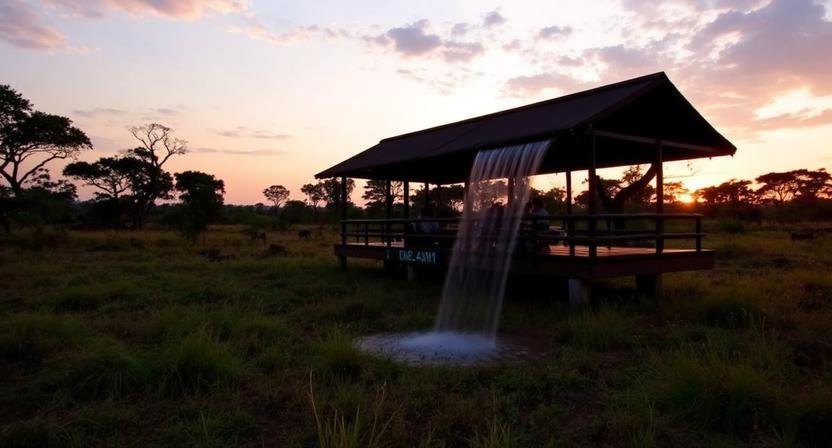

The tourism sector in Uganda has received an unprecedented boost since the UK government lifted its advisory against all but essential travel to Queen Elizabeth National Park and Semuliki National Park, effective December 2. This marked the end of over two years of restrictions imposed since an October 2023 attack in the region. Industry leaders have hailed this as a major step towards the country’s tourism recovery and expressed optimism that the move will encourage a surge in UK tourists.
The Impact of the Travel Advisory Lift on Tourism Bookings
The lifting of the advisory comes as a welcome relief to Uganda’s tourism industry, which had faced steep declines in bookings from the UK. Prior to the restrictions, Queen Elizabeth and Semuliki National Parks were major attractions for long-haul tourists, particularly from the UK, which is one of Uganda’s key source markets. Following the imposition of the advisory, some tour operators reported as much as a 70% drop in UK arrivals to the affected parks.
Now, with the travel advisory lifted, tourism operators are hopeful that bookings from the UK will rise sharply, helping to recover lost ground. Tourism leaders believe that the move will not only attract more visitors to the national parks but will also contribute significantly to Uganda’s economic recovery, particularly in regions heavily reliant on tourism revenues.
Economic Impact and Tourism’s Role in Uganda’s Growth
Tourism is a crucial component of Uganda’s economy, contributing approximately $1.28 billion in 2024 and supporting over 800,000 jobs across the country. The UK’s decision to lift its advisory will likely accelerate the recovery of Uganda’s tourism industry, driving a rise in arrivals and increasing revenue from the sector. This renewed confidence from the UK market is expected to create new opportunities for tourism businesses, particularly in areas surrounding Queen Elizabeth and Semuliki.
Maintaining Security and Continuing Diversification for Sustainable Growth
While the lifting of the travel advisory is a positive step, industry analysts caution that Uganda’s tourism recovery depends on continued security stability in the region. As the country welcomes back more visitors, it is crucial to ensure that safety remains a top priority for both tourists and the local population.
Moreover, analysts point to the importance of product diversification and ongoing marketing efforts to continue expanding Uganda’s appeal beyond the traditional safari offerings. The development of new tourism experiences, such as community-based tourism, cultural tourism, and adventure activities, will help keep Uganda competitive in the global tourism market.
The Road Ahead: A Reinvigorated Tourism Landscape
The removal of the UK travel advisory marks a turning point for Uganda’s tourism sector. With confidence returning among long-haul travelers, particularly from the UK, the country’s rich natural beauty and unique wildlife offerings are now more accessible to international tourists than ever before.
If security remains stable and Uganda continues its efforts to diversify its tourism product and improve marketing strategies, the tourism sector could see substantial growth in the coming years. The future impact of this growth is expected to be felt in several key areas:
- Job Creation: With the increase in tourist arrivals, local communities will benefit from employment in hospitality, guiding services, transportation, and other tourism-related sectors.
- Economic Diversification: The growth of eco-tourism, cultural tourism, and adventure tourism will reduce Uganda’s dependency on traditional safari tourism, ensuring more balanced development.
- Sustainable Practices: The influx of UK visitors can drive more demand for sustainable tourism practices, encouraging the development of eco-friendly infrastructure and responsible travel initiatives.
Future Tourism Growth: A Path to Sustainable Economic Development
Looking to the future, the tourism sector in Uganda is poised for long-term growth and diversification. The country’s rich natural resources and wildlife can continue to attract international tourists, but the focus must be on sustainable tourism practices that support both local communities and the environment.
Renewed confidence from key international markets, particularly the UK, will drive the tourism industry towards more inclusive, environmentally responsible growth. Diversifying the tourism product will ensure that Uganda offers a wider range of experiences to visitors, from community-based tourism to nature tourism and beyond.
By prioritizing security, sustainability, and product diversification, Uganda is setting itself up for a successful future as a leading tourism destination in Africa. The rebound in arrivals from the UK and other international markets, coupled with the expansion of new tourism experiences, will ensure that Uganda continues to attract visitors seeking both adventure and cultural immersion for years to come.
A Bright Future for Uganda’s Tourism Sector
Following the lifting of the UK travel advisory, Uganda’s tourism sector will see significant short-term recovery, as well as long-term sustainable development. As the country opens further to increased international tourism traffic, diversification into a range of offerings supported by robust security and community engagement will lead to economic growth with associated conservation of Uganda’s rich natural endowment. The future of Uganda tourism looks promising, with growing opportunities in local communities and the broader tourism economy.
The post UK Lifts Travel Advisory for Queen Elizabeth and Semuliki National Parks, Boosting Tourism in Uganda with Expected New Rise in Bookings from UK appeared first on Travel And Tour World.