Cancún Joins Los Cabos, Quintana Roo, Puerto Vallarta, Mexico City and More Cities Changing Tourism Landscape and Charging Travel Torpedo with Massive Infrastructure Upgrades, Sky High Hotel Rates and Bed Tax, New Update is Here
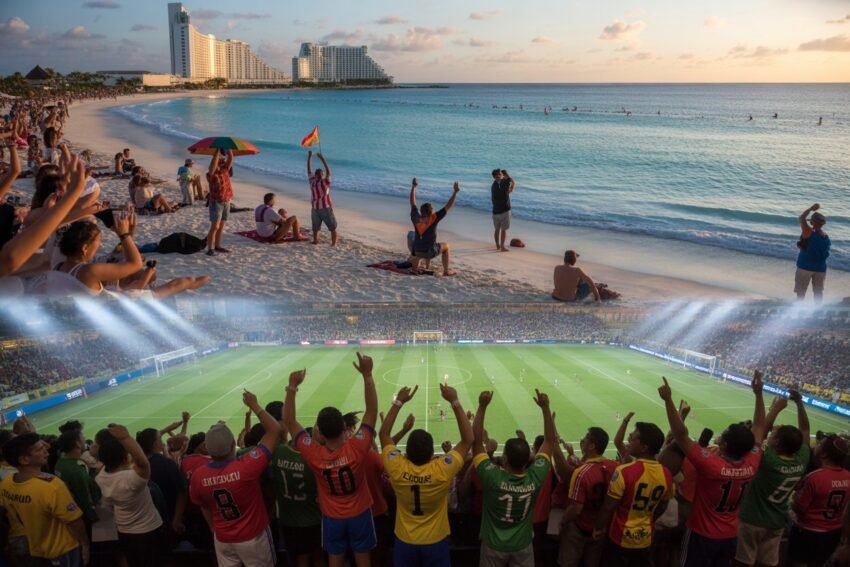

Cancún, along with Los Cabos, Quintana Roo, Puerto Vallarta, and Mexico City, is at the forefront of a tourism landscape transformation that is shaping the future of travel across Mexico. These iconic cities are rapidly changing the way the world views tourism, with massive infrastructure upgrades that promise a new level of luxury and convenience. The shift is not just about new roads or airports; it’s about charging a travel torpedo — a surge in sky-high hotel rates and a controversial bed tax that has sparked debates.
As Cancún continues to rise in the ranks, it is joined by Los Cabos and other destinations in Quintana Roo, as well as Puerto Vallarta and Mexico City, in pushing the envelope. The influx of tourism dollars is fueling rapid development, leaving tourists and travel professionals alike with mixed feelings. While these upgrades promise a luxurious experience, they also mean rising costs for travellers. Travel and Tour World urges you to dive deeper into how these changes are reshaping the future of Mexico’s tourism industry and what it means for your next trip. The new updates reveal insights you can’t afford to miss.
Mexico’s tourism landscape has been absolutely rocked by incredible growth in 2025, with hot spots like Cancún, Los Cabos, and Mexico City smashing records. As the country gears up for the 2026 World Cup, we’re seeing massive infrastructure upgrades, increased international interest, and sky-high hotel occupancy rates. But what does all this mean for you? If you’re planning a trip to Mexico, this is the moment to jump on board. Let’s dive into how Mexico’s tourism has skyrocketed, with everything from beach paradises to urban hubs seeing immense success. And with the 2026 World Cup looming, the entire tourism scene is about to get even more explosive.
Cancún & the Caribbean: Sun-Kissed Dominance
Cancún continues to reign supreme as Mexico’s tourism crown jewel. According to DataTur’s international arrival statistics, Mexico welcomed a whopping 31.5 million international tourists from January to August 2025, marking an increase of 7.5% compared to the previous year. The Caribbean coast, including Cancún, holds strong despite a minor slowdown, with 15.03 million visitors in 2025, although there was a 4.1% drop in the same period from 2024 .
Cancún has maintained a 72.9% hotel occupancy rate, with nearby hotspots like the Riviera Maya, Tulum, and Playa del Carmen also experiencing solid performance . Despite a slight dip in overall tourist numbers, this high occupancy rate is a testament to the region’s resilience. Costa Mujeres hit an incredible 78.6% occupancy, underlining that Mexico’s Caribbean is far from losing its shine .
Looking ahead to 2026, things are about to get even more hectic. Quintana Roo’s tourism department is preparing for record crowds during the FIFA World Cup, with new air routes, enhanced infrastructure, and a push for social tourism. This wave of investments and preparations promises to turn the Caribbean into the most talked-about destination for global football fans .
Los Cabos: Pacific Powerhouse Breaks Its Own Records
If Cancún isn’t your vibe, the Pacific coast beckons with even more jaw-dropping numbers. Los Cabos broke its own records in 2025, with hotel occupancy hitting 84% in March, which was a one-percentage-point increase over the previous year . For the first quarter, the region averaged 79% occupancy, with an eye-popping $545 USD average room rate and a $429 USD revenue per available room (RevPAR) . Air passenger arrivals have surged, reaching over 3.11 million by October, with cruise traffic hitting an incredible 689,800 passengers, marking a 44% increase compared to 2024 .
Despite some fluctuations in hotel occupancy, the broader picture paints a luxury destination in the making. Los Cabos is set to expand further in 2026, with new international flights and upscale cruise itineraries, which means there’s no better time than now to plan your trip .
Puerto Vallarta & Nuevo Nayarit: Ascendant Pacific Gems
While the beaches of Los Cabos steal the limelight, Puerto Vallarta and Nuevo Nayarit are quickly climbing the ranks in Mexico’s tourism scene. DataTur’s occupancy statistics for August 2025 place Puerto Vallarta at an impressive 76%, while Nuevo Nayarit closely follows at 78% . These figures demonstrate a growing appetite for Pacific coast destinations, supported by better infrastructure and robust marketing campaigns by local authorities.
By October 2025, Puerto Vallarta maintained a strong 74% occupancy, and Nuevo Nayarit stayed just a tick higher at 74.6% . With the ongoing expansion of the Puerto Vallarta–Riviera Nayarit airport, more international flights are expected in 2026, fueling even more growth for these scenic gems. These Pacific towns are also pushing forward sustainable tourism initiatives and beach restoration projects to ensure they stay attractive to eco-conscious travellers .
Mazatlán & Sinaloa’s Revival: Rising from the Ashes
Mazatlán, a city that had struggled in the past, made a stunning comeback in 2025, reaching 76% occupancy . Thanks to new cruise itineraries and improved highway connectivity, Mazatlán is now becoming a sought-after destination for both domestic and international visitors. Sinaloa’s tourism department is working hard to capitalise on this momentum, promoting the city’s colonial heritage and culinary scene, while World Cup traffic is expected to further fuel the surge in 2026.
The city’s tourism outlook for 2026 is exceedingly bright as Mazatlán’s port continues to handle larger cruise ships. The city is poised for an unforgettable year, with local officials investing in infrastructure and security to accommodate both tourists and World Cup fans .
Tijuana & the Northern Border Boom: A Growing Giant
Tijuana has firmly established itself as Mexico’s busiest land-crossing city, with an occupancy rate of around 70% by October 2025 . The city’s cross-border business tourism, medical tourism, and nightlife make it a key player in Mexico’s overall tourism boom. With upgrades to Tijuana International Airport and the cross-border pedestrian bridge planned for 2026, the city is ready to absorb a massive influx of World Cup fans.
Tijuana’s tourism promoters are also positioning the city as a gastronomic hub, which could lead to an increase in extended stays for those attending the tournament .
Mexico City: Urban Giant in Transition
While the beach resorts dominate, Mexico City, the cultural and economic heart of the nation, has faced a slower recovery. With hotel occupancy rates in the mid-50s to 60s% at the beginning of 2025, the city is still lagging behind its coastal counterparts . But the city is investing heavily in upgrading transport links, restoring historical districts, and ramping up tourism policing ahead of the World Cup 2026.
Mexico City is gearing up to host multiple World Cup matches at Estadio Azteca, and tourism authorities are already preparing to rebrand the city as a safe, vibrant, and environmentally conscious destination. Expect a surge in visitors during the tournament, with a strategic push to market the city as the ultimate fusion of history, culture, and sport .
Looking Toward 2026: The FIFA World Cup and Mexico’s Future
The countdown to 2026 FIFA World Cup has already begun, and Mexico is preparing for the most significant tourism event in its history. The Mexican government has been focusing its efforts on sports tourism, infrastructure modernisation, and diversification of tourism offerings . As the World Cup draws millions of visitors, the event will undoubtedly leave a legacy of improved infrastructure, international exposure, and an explosive growth in tourism.
From Cancún to Los Cabos, and Mexico City to Puerto Vallarta, 2026 promises to be the biggest year in tourism for Mexico. If you’ve been waiting for the perfect moment to visit, there’s no better time than now to book your flights to this booming nation .
The post Cancún Joins Los Cabos, Quintana Roo, Puerto Vallarta, Mexico City and More Cities Changing Tourism Landscape and Charging Travel Torpedo with Massive Infrastructure Upgrades, Sky High Hotel Rates and Bed Tax, New Update is Here appeared first on Travel And Tour World.