Delhi Tourism Set to Benefit as Air India Plans 200 New Airbus and Boeing Jets for Domestic and Regional Routes
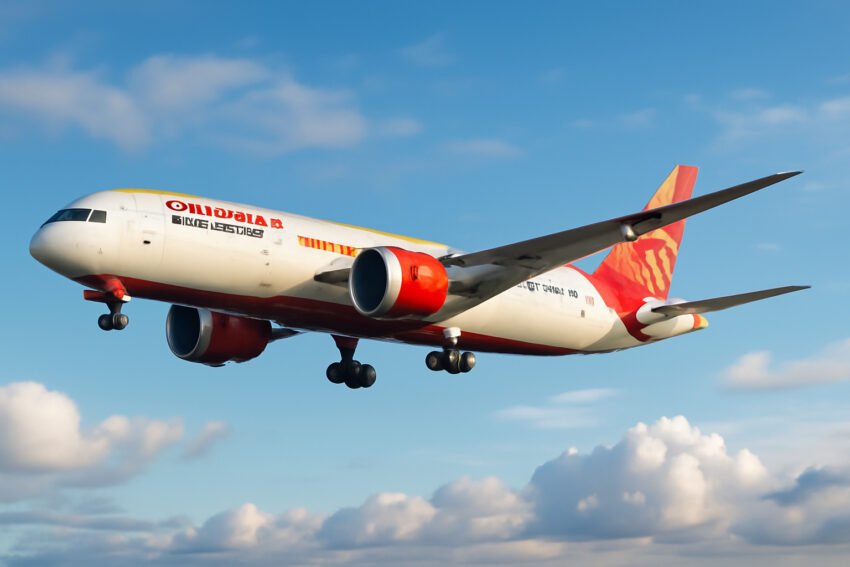

Air India, under the ownership of the Tata Group, is gearing up for one of the largest narrow-body aircraft orders in the global aviation industry, signaling a decisive step in modernizing its fleet and expanding its footprint in the competitive Indian aviation market. Sources close to the carrier reveal ongoing advanced talks with Airbus and Boeing to secure around 200 new narrow-body aircraft. This significant expansion is centered around Air India’s hub at Indira Gandhi International Airport (DEL) in Gurugram, India.
This order builds upon Air India’s record-breaking procurement spree in 2023, which included an unprecedented 470 aircraft commitment—250 jets from Airbus and 220 from Boeing—plus a supplemental 100-aircraft deal later that year. The current negotiations reflect Air India’s strategic ambition to consolidate its position as a major player in the fastest-growing aviation market globally and to stimulate domestic and regional tourism across India.
With India’s aviation sector booming alongside rising traveler demand, this fleet renewal initiative could profoundly impact tourism hubs throughout India, including Delhi, Mumbai, Bengaluru, and emerging regional markets. This article offers an in-depth look at Air India’s fleet strategy, its implications for tourism, and how this multi-billion-dollar investment could shape the future of air travel in India.
Air India’s Narrow-Body Fleet Expansion: What’s on the Table?
Air India’s current discussions with Airbus and Boeing focus on acquiring approximately 200 additional narrow-body aircraft, essential for short- and medium-haul operations that dominate domestic and regional flights. These single-aisle jets are the backbone of airline fleets worldwide, facilitating connectivity between cities and supporting India’s vast and diverse travel market.
Key points about the upcoming order include:
- The 200-aircraft narrow-body order would be in addition to the 470 jets previously ordered in 2023.
- This fleet growth is critical to replace aging aircraft and expand capacity at a time when air travel demand in India is surging.
- The order aligns with Air India’s goal to enhance its presence at Indira Gandhi International Airport (DEL), a major gateway for tourists and business travelers alike.
- Alongside narrow-body acquisitions, Air India is also evaluating wide-body aircraft options for its long-haul international network.
The scale of this deal positions Air India at the forefront of aviation modernization in South Asia, underpinning broader tourism development objectives by improving connectivity and flight frequency to key domestic and regional destinations.
India’s Aviation Market: The Need for Modern Narrow-Body Jets
India has emerged as the world’s fastest-growing aviation market, with passenger volumes rising steadily due to increased disposable incomes, government tourism initiatives, and expanding business hubs. Narrow-body aircraft such as the Airbus A320 family and Boeing 737 series dominate this market segment, offering efficiency and flexibility for routes that range from tier-1 metros to smaller regional airports.
For Air India, boosting its narrow-body fleet capacity is crucial to:
- Meet the exploding demand for affordable domestic air travel.
- Support government efforts to develop regional tourism corridors under initiatives like UDAN (Ude Desh ka Aam Naagrik).
- Provide seamless connectivity that feeds its wide-body international operations.
- Compete aggressively with low-cost carriers dominating the Indian skies.
The planned 200-plane order aims to future-proof Air India’s network, ensuring the airline can cater to diverse traveler needs—from business executives flying between metros to tourists exploring culturally rich destinations like Jaipur, Kochi, or Varanasi.
Current Fleet Snapshot and Challenges
As of mid-2025, Air India operates a fleet of 198 aircraft, including those inherited from the merger with Vistara, the Tata Group’s joint venture with Singapore Airlines. Its low-cost arm, Air India Express (IX), manages a fleet of 103 aircraft, including 38 new Boeing 737 MAX jets delivered following an October 2023 order.
Despite this growth, the airline faces ongoing challenges related to:
- Supply chain disruptions and manufacturing delays affecting delivery timelines at Airbus and Boeing.
- Expected continuation of aircraft production bottlenecks for at least 4 to 5 years, as indicated by CEO Campbell Wilson.
- Temporary limitations on international expansion due to retrofit upgrades being applied to existing wide-body jets like the Boeing 787 Dreamliners and 777s.
Even with these constraints, Air India’s priority remains focused on expanding its narrow-body fleet to capitalize on booming regional markets and support India’s growing tourism economy.
The Tourism Impact: Enhancing Connectivity Across India and Beyond
Air India’s fleet expansion is more than just a business growth strategy—it’s a catalyst for strengthening tourism across India and its neighboring regions. Improved air connectivity facilitates easier access to cultural, historical, and natural destinations, encouraging both domestic and international tourists.
Benefits include:
- Increased flight frequencies to popular tourism hubs such as Delhi, Mumbai, Goa, Chennai, Hyderabad, and Kolkata.
- Better service to emerging regional airports supporting local economies and tourism initiatives.
- Enhanced travel options for international tourists arriving at Delhi, who can now access smaller destinations more easily.
- Support for pilgrimage tourism, adventure travel, and eco-tourism, all significant growth areas within the Indian tourism sector.
The fleet upgrade also aligns with India’s “Incredible India” campaign and government efforts to boost visitor numbers, create jobs, and develop sustainable tourism infrastructure.
Strategic Importance of Narrow-Body Jets in Air India’s Network
Narrow-body aircraft offer unmatched versatility, making them ideal for serving the wide array of short- and medium-haul routes in India’s vast domestic market. Their role in Air India’s fleet strategy includes:
- Acting as feeders to the airline’s wide-body international flights, ensuring smooth connections.
- Enabling the airline to increase flight frequencies on high-demand domestic routes, improving traveler convenience.
- Allowing the expansion of services to underserved airports, helping democratize air travel access.
- Offering cost efficiencies that support competitive pricing against low-cost carriers.
As India continues to urbanize and its middle class grows, narrow-body jets will remain essential in accommodating the expanding traveler base.
Potential Aircraft Models and Industry Context
While specific models have not been confirmed, industry analysts expect Air India to consider the latest generations of Airbus and Boeing narrow-body jets, such as:
- Airbus A320neo family — renowned for fuel efficiency and passenger comfort.
- Boeing 737 MAX series — offering operational flexibility and lower emissions.
Both manufacturers are vying to win significant market share in India’s lucrative aviation sector. The competition drives innovation and pricing incentives, benefiting airlines like Air India looking to modernize fleets cost-effectively.
The Road Ahead: What to Expect from Air India
- A formal announcement of the 200-aircraft narrow-body order is expected soon, with deliveries anticipated to start within the next few years.
- The fleet expansion will be complemented by ongoing retrofits and upgrades to wide-body aircraft, enhancing overall passenger experience.
- Air India will likely expand its network aggressively, targeting both metro and regional routes.
- The airline’s enhanced capacity will contribute to India’s tourism growth goals, facilitating more accessible and frequent air travel.
Conclusion: Air India’s Fleet Expansion Fuels Tourism and Aviation Growth
Air India’s plans to order approximately 200 new narrow-body aircraft mark a transformative milestone in its journey to reclaim dominance in the Indian aviation market. This expansion is crucial to supporting India’s booming tourism sector, enhancing connectivity across key cities, and elevating the overall travel experience for millions of passengers.
By partnering with global aerospace giants Airbus and Boeing, Air India is not only modernizing its fleet but also investing in India’s economic and tourism future. As the country’s fastest-growing aviation market continues to soar, Air India’s strategic fleet growth positions it to meet rising travel demand and promote the exploration of India’s rich cultural and regional diversity.
Stay connected for further updates on Air India’s fleet plans and how these developments will impact the aviation and tourism landscape in India and beyond.
The post Delhi Tourism Set to Benefit as Air India Plans 200 New Airbus and Boeing Jets for Domestic and Regional Routes appeared first on Travel And Tour World.