Lower Energy Prices in Greece Boost Tourism Growth, Supporting Cost Stability for the Businesses, Sustainability and Enhancing Destination Competitiveness
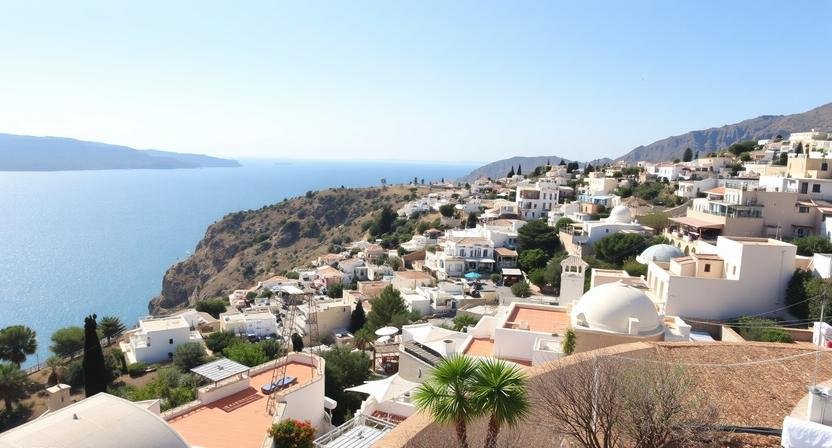

Greece is currently seeing a major augmentation in its tourist industry, as cheaper energy costs have also contributed to an improved cost climate for businesses there. Greece was found to have a retail price of 232.6 euros per MWh in the second quarter of 2025, down from 246 euros within the EU average, based on data provided by the European Commission. This is having major implications within the tourist industry, as it is contributing to a reduction in operational costs associated with hotels, temporary accommodations, eating facilities, and other tourist-related services.
An equally important factor in tourism concerns access to cheap energy. In this context, as energy costs comprise a significant part of expenditure, the lowering of electricity and gas prices creates a singular opportunity to maintain competitive pricing terms along with quality delivery. This acts as an impetus to tourism expansion by making it possible for Greece to remain an economically attractive destination for foreign tourists.
Tourism Growth Angle: Lower Energy Costs Lead to More Competitive Pricing for Tourists
With lower energy costs, tourism businesses in Greece have the flexibility to absorb rising expenses in other areas, such as labor costs or raw materials, while maintaining more competitive pricing for travelers. This is particularly important for destination competitiveness in the highly competitive Mediterranean tourism market.
Competitive pricing plays a crucial role in attracting international visitors, especially during peak seasons. Tourism growth often depends on affordability and value, and by offering more cost-effective services, Greece positions itself as a favorable destination for high-value travelers seeking both quality and affordability.
Energy Price Reductions Support Investment and Long-Term Growth in Tourism
Lower energy costs also have a positive impact on investment confidence within the tourism sector. With more predictable and manageable energy expenses, tourism businesses are better able to invest in infrastructure improvements, upgraded facilities, and new service offerings.
For example, hotels, restaurants, and tourism facilities can now direct savings into renovations, upgrades, and expanding services that improve the guest experience, further driving tourism demand. These investments not only improve the tourism product but also help create more sustainable job opportunities across Greece’s tourism economy.
Energy Sustainability Enhances Greece’s Appeal for Eco-Conscious Travelers
As part of the EU’s commitment to renewable energy, Greece has seen a rise in the share of renewable energy in its energy mix, which reached 52 percent in recent years. This not only contributes to energy stability but also aligns with the growing global trend toward sustainable tourism.
Many travelers today are increasingly choosing destinations that prioritize eco-friendly practices and sustainable energy. By maintaining a focus on clean energy and lowering carbon footprints, Greece’s tourism sector strengthens its position among eco-conscious travelers. This sustainability approach serves as a key driver of tourism growth, attracting tourists who are committed to supporting destinations that promote responsible tourism practices.
Tourism Growth Through a Stable and Sustainable Cost Environment
The decline in energy prices is not just about keeping costs manageable for businesses; it also allows Greece’s tourism industry to adapt to broader market changes and maintain stable growth. As the global tourism market grows increasingly volatile, destinations that can offer predictable and affordable travel experiences are more likely to thrive.
For Greece, this means that the country can sustain year-round tourism and attract high-spending visitors even outside of peak summer months. A more stable cost environment enables businesses to plan ahead, market more effectively, and attract return visitors who value consistency, affordability, and sustainability—key elements of tourism resilience.
Local Economic Impact: How Lower Energy Costs Can Benefit Regional Tourism
The benefits of lower energy prices extend beyond the businesses directly involved in tourism. Smaller towns and rural destinations in Greece, which may not traditionally see the same volume of visitors as major cities like Athens or Santorini, can benefit from more affordable operational costs as well. This enables local businesses—such as agrotourism providers, cultural venues, and small accommodations—to remain competitive and attract domestic and international visitors.
Additionally, lower operating costs can help regions that are often overshadowed by more famous destinations gain traction. These areas can now more easily market themselves to travelers looking for unique cultural experiences, natural beauty, and local hospitality, leading to a more balanced distribution of tourism across Greece.
Lower Energy Prices Set the Stage for Sustained Tourism Growth in Greece
With the ongoing revival and development of the tourism industry in Greece, the reduction in energy prices presents an essential chance to ensure the sustainability of associated costs, as well as the development of the tourism industry in the country. This is because Greece is able to maintain favorable tourist environment costs.
As energy stability continues to be a prominent factor within the tourism industry, it is noted that the ability to provide an affordable and sustainable tourism experience is crucial to ensuring that Greece attracts a diversified audience, including vacationers, those interested in cultural or natural-based vacations, and those interested in wellness vacations. This above-average development within the industry is set to provide beneficial life-long outcomes within Greece, including being a prime player within the industry globally.
The post Lower Energy Prices in Greece Boost Tourism Growth, Supporting Cost Stability for the Businesses, Sustainability and Enhancing Destination Competitiveness appeared first on Travel And Tour World.