Millions of Passengers Stranded Around U.S. as Severe Winter Storm Fern Brings Complete Travel Paralysis, Cancelling Over 12,000 Flights Over the Weekend and Disrupting Air, Rail, and Road Transport Nationwide
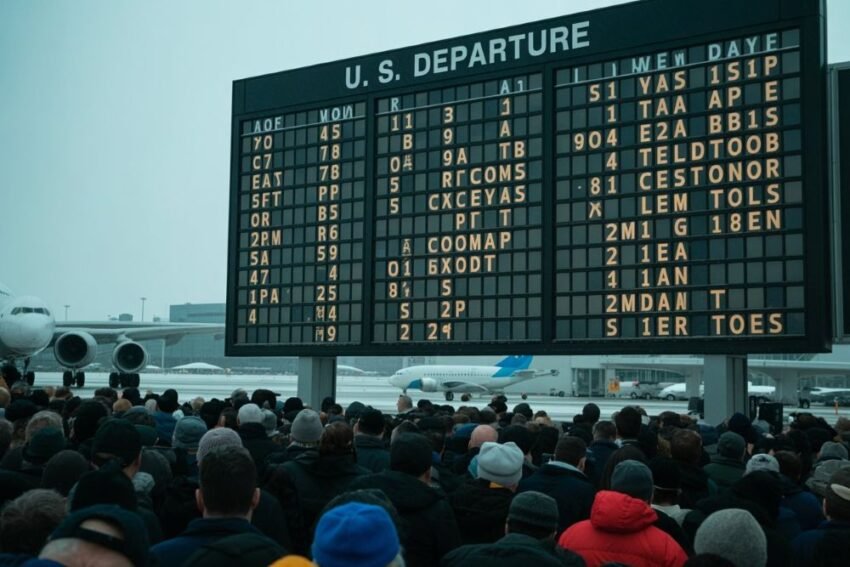

Millions of passengers have been left stranded across the U.S. as the severe Winter Storm Fern has caused complete travel paralysis over the weekend. The storm has wreaked havoc on the nation’s transport systems, cancelling over 12,000 flights and leaving travelers stuck at airports from New York to California. The disruption didn’t stop at air travel; rail and road transport have also been severely impacted, with many routes closed due to heavy snow, freezing rain, and treacherous conditions. Passengers trying to travel by car found themselves stuck on dangerous highways, while Amtrak and other rail services reported significant delays.
This storm has brought the U.S. travel industry to a halt, affecting millions of people. As the chaos continues, both airlines and transport authorities are struggling to manage the situation, leaving travelers in limbo with limited options.
This devastating storm, with its fierce winds, icy conditions, and heavy snow, has not only disrupted air travel but also created a ripple effect that’s affecting local economies, tourism, and everyday travel across the country. In this article, we’ll take a closer look at how Winter Storm Fern has caused one of the worst travel disruptions in recent memory, and what it means for passengers, airlines, and the broader travel landscape.
Winter Storm Fern: A Nationwide Travel Nightmare
As Winter Storm Fern battered the United States over the weekend, it quickly became clear that this was no ordinary storm. The storm caused massive flight cancellations, leaving passengers stranded and airports scrambling to manage the chaos. According to reports, over 12,000 flights were cancelled, causing a significant upheaval in air travel across the nation.
Airlines, including Southwest Airlines, American Airlines, Delta Air Lines, JetBlue, and United Airlines, were among the hardest hit. The storm’s effects were felt most severely in major airport hubs such as New York City, Dallas/Fort Worth, Chicago, and Los Angeles. Passengers across the U.S. found themselves stuck, desperately waiting for rebookings or updates from airlines overwhelmed by the sheer volume of cancellations.
Which Airports Were Hit the Hardest?
Several major airports across the U.S. became ground zero for the chaos caused by Winter Storm Fern. The following airports saw the worst disruptions, with thousands of flights cancelled and passengers stranded for hours, if not days:
- LaGuardia Airport (New York): LaGuardia was one of the busiest airports in the U.S. during the storm, experiencing extensive cancellations. Many travelers were forced to wait in overcrowded terminals, with no clear indication of when their flights might depart.
- Dallas/Fort Worth International Airport (DFW): DFW, one of the largest and most important airports in the U.S., saw the cancellation of over 1,200 flights. Thousands of passengers found themselves stuck in long queues, trying to find alternative travel options.
- Chicago O’Hare and Midway Airports: Both of Chicago’s airports experienced significant disruptions, with hundreds of flights grounded. Passengers were left in limbo, unsure of when they could continue their journey.
- JFK International (New York): JFK was another major hub affected by the storm. With the combination of heavy snow and freezing rain, flights were delayed and cancelled throughout the weekend.
- Boston Logan Airport: Boston Logan also felt the impact, with snowstorms causing significant disruptions in the airport’s operations. This led to cancellations and delays for travelers trying to fly in and out of the Northeast.
Why Were There So Many Cancellations and Delays?
The severity of Winter Storm Fern was felt across the U.S. due to a combination of extreme weather conditions. The storm brought heavy snow, freezing rain, and gale-force winds, creating hazardous conditions for airlines and airports. Icy runways and limited visibility meant that planes could not safely take off or land, forcing airlines to ground flights.
In addition, the storm’s intensity and the sheer volume of cancellations led to serious knock-on effects. With so many flights cancelled, many planes were stuck at airports, and airlines struggled to rebook passengers. The ground crew was overwhelmed by the need to clear snow, de-ice aircraft, and ensure the safety of travelers, which slowed down operations even further.
Major Airlines Affected
The storm caused significant disruption to several major airlines, which faced an overwhelming number of cancellations and delays:
- American Airlines: Over 1,400 flights were cancelled, and many passengers were forced to find alternate routes or wait for available flights.
- Delta Air Lines: Delta experienced one of the largest disruptions, with more than 1,300 flights cancelled due to the storm’s impact.
- Southwest Airlines: Southwest saw more than 1,260 cancellations, leaving many travelers stranded in major airports.
- JetBlue: JetBlue cancelled nearly 70% of its flights, causing major delays for passengers who were attempting to travel across the U.S.
- United Airlines: United Airlines faced disruptions too, with over 800 flights cancelled in response to the weather-related chaos.
Widespread Travel Disruptions Beyond Aviation
Although air travel was the most affected, other forms of transportation also suffered due to Winter Storm Fern. Amtrak and other regional rail services reported significant service interruptions, particularly along major corridors like Chicago, New York, and Boston.
Travelers who had hoped to continue their journey by car found treacherous conditions on highways, especially in states like Ohio, Illinois, and New York, where snow and ice made driving dangerous. Authorities issued travel advisories, urging people to stay off the roads unless absolutely necessary.
Additionally, bus services were disrupted, particularly in places like New Jersey, Washington, and Pennsylvania, where severe snowstorms made it impossible for vehicles to safely operate.
The Impact on Local Economies and Tourism
Beyond the immediate disruption to passengers, Winter Storm Fern has had a significant impact on local economies. In major cities like New York, Chicago, and Los Angeles, tourism was deeply affected as thousands of travelers were unable to reach their destinations.
Hotels and restaurants, which often depend on high volumes of visitors, especially during the holiday season, saw a dramatic decline in guests. Additionally, tourist attractions across the U.S. experienced a drop in foot traffic, as people found themselves stuck at airports or stranded in their homes due to the storm.
The hospitality industry also faced significant losses as rebooked flights and cancelled trips led to empty rooms and restaurants. The impact on local businesses has highlighted the interconnectivity of air travel and local economies.
National Guard Deployment and Emergency Measures
As the storm raged, several U.S. states declared states of emergency and activated their National Guard to help manage the disruption. In cities like Texas, Oklahoma, and New York, the National Guard assisted in clearing roads, helping to clear snow from runways at airports, and providing support to emergency services.
In addition to military support, authorities in several states also issued safety warnings and advised against travel during the peak of the storm. Local governments provided assistance to stranded travelers, including transportation to emergency shelters and facilities.
How Are Airlines and Airports Responding?
Airlines and airports have been working tirelessly to manage the fallout from Winter Storm Fern. American Airlines, Southwest, and JetBlue have been offering free rebooking options and providing hotel vouchers for passengers who have been affected by the storm. However, due to the sheer volume of cancellations, airlines are struggling to accommodate everyone.
Airports have been working on cleaning snow and ice from runways, and de-icing equipment has been deployed to help planes resume operations. Dallas/Fort Worth, Chicago O’Hare, and New York’s JFK Airport have all been working around the clock to clear planes and ensure that flights can depart as soon as possible.
What Can Travelers Do to Protect Themselves?
For travelers caught in the storm’s aftermath, here are a few tips to ensure they’re prepared:
- Check flight statuses regularly: Airlines have mobile apps and websites where travelers can get real-time flight updates.
- Know your rights: If your flight is cancelled, airlines are obligated to either refund the ticket or provide an alternative flight.
- Consider purchasing travel insurance: Travel insurance can provide valuable coverage for weather-related cancellations and delays.
- Pack essential items: In case of delays, ensure that your carry-on bag contains everything you may need, including snacks, medications, and entertainment.
Looking Forward: Will U.S. Airports Be Ready for Future Storms?
As Winter Storm Fern highlighted the vulnerabilities of the U.S. aviation system, it is clear that airports and airlines need to better prepare for future storms. Investing in advanced de-icing technologies, improving communication with passengers, and having contingency plans for mass cancellations could help minimize the impact of such storms in the future.
Conclusion
Winter Storm Fern has caused a nationwide travel disaster, with over 12,000 flight cancellations and widespread delays, stranding passengers at major airports across the United States. The storm’s far-reaching impact has disrupted local economies, strained transport systems, and left thousands of travelers frustrated and stranded.
While airlines and airports are doing everything they can to manage the situation, it’s clear that passengers need to be prepared for such disruptions in the future. By staying informed, knowing your rights, and considering travel insurance, travelers can better protect themselves during these unpredictable winter months.
The post Millions of Passengers Stranded Around U.S. as Severe Winter Storm Fern Brings Complete Travel Paralysis, Cancelling Over 12,000 Flights Over the Weekend and Disrupting Air, Rail, and Road Transport Nationwide appeared first on Travel And Tour World.