Japan’s Strategic Tourism Plan Paves The Way For Sustainable Growth, Targeting Forty Million Repeat Visitors and an Economic Boost For Regional Areas By 2030
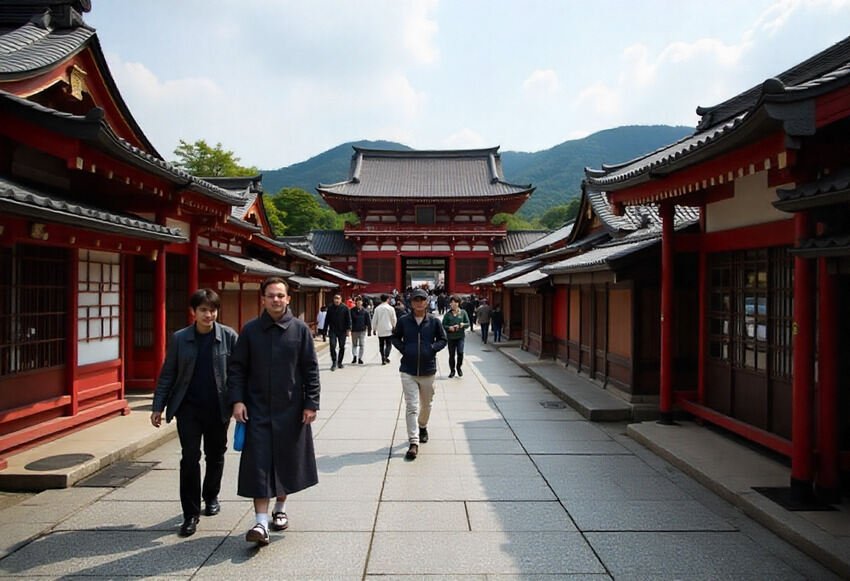

Japan’s Strategic Tourism Plan paves the way for sustainable growth by setting an ambitious target of attracting forty million repeat visitors and driving significant economic benefits to regional areas by 2030. The plan addresses the challenges of overtourism and uneven visitor distribution, focusing on spreading tourism more equitably across the country. By enhancing the tourism offerings in less-visited regions and encouraging repeat visits, Japan aims to create a balanced, resilient tourism sector that boosts local economies, mitigates the impacts of tourism congestion, and ensures long-term sustainability.
Japan’s tourism sector is poised for a significant transformation as the Japan Tourism Agency rolls out a new strategic plan aimed at addressing the growing issue of overtourism. The plan, which spans from 2026 to 2030, includes ambitious goals to expand regional measures for managing overtourism from 47 areas to 100 regions. This effort is part of a broader initiative to ensure that the country’s tourism industry remains resilient and continues to contribute to economic growth in a sustainable manner.
The agency’s new tourism promotion plan has been presented for review and is set to be finalized by March 2026. This plan is designed to guide Japan’s tourism policy through 2030, with a strong focus on increasing the number of visitors while ensuring that the benefits of tourism are distributed more evenly across the country. While the country has experienced record growth in inbound tourism in recent years, the new plan seeks to strike a balance between attracting visitors and preserving local cultures, environments, and communities.
Japan’s tourism sector has already demonstrated its remarkable capacity for growth. In 2025, inbound tourist spending reached an impressive 9.5 trillion yen, making tourism the second-largest export industry in the country. This rapid growth has brought with it a need for a more comprehensive strategy to manage visitor numbers and ensure that local economies are not overwhelmed by the influx of tourists. The newly announced plan aims to address this challenge head-on by spreading tourism more evenly across Japan’s regions.
Strategic Expansion of Regional Measures
The Japan Tourism Agency has set a clear target of increasing the number of regions actively implementing measures to combat overtourism. Currently, 47 regions are engaged in these efforts, but the new strategy calls for expanding this to 100 areas by 2030. These regions will adopt various initiatives aimed at managing the flow of tourists, preserving cultural heritage, and promoting sustainable tourism practices. This shift is expected to lead to a more balanced tourism landscape, where less-visited areas benefit from increased visitor numbers, reducing pressure on more heavily trafficked destinations.
With the increased focus on regional tourism, local governments will be empowered to take a more active role in shaping the tourism experience. By leveraging their unique cultural, natural, and historical assets, these regions will be able to offer visitors a more authentic and diverse experience. In turn, this will contribute to the long-term sustainability of Japan’s tourism industry, ensuring that local communities can continue to thrive while benefiting from the economic opportunities tourism brings.
Focus on Repeat Visitors and Economic Resilience
While Japan’s tourism industry has flourished, the agency recognizes that it is crucial to attract more repeat visitors, rather than relying solely on first-time tourists. In its new strategy, the Japan Tourism Agency has set an ambitious target of 40 million repeat visitors by 2030, up from the previous target of 36 million. Repeat visitors are vital to the economy, as they tend to stay longer and spend more, contributing significantly to local businesses and the broader economy.
This focus on repeat visitors is coupled with a broader effort to ensure the long-term economic resilience of Japan’s tourism industry. The plan outlines strategies to diversify the country’s tourism offerings, making them less dependent on specific countries or regions. This is particularly important in light of recent declines in the number of visitors from certain regions, such as China, which has been Japan’s largest source of inbound tourism. In recent months, political tensions and changing international relations have contributed to a significant drop in Chinese tourist numbers, highlighting the need for a more balanced and diverse approach to tourism promotion.
The new strategy also emphasizes the importance of ensuring that Japan’s tourism industry remains resilient to global risks, such as changes in international relations, economic shifts, and potential public health crises. By diversifying tourism markets and spreading tourism efforts across the country, Japan aims to safeguard its tourism industry against potential disruptions and ensure its continued growth.
A Sustainable Future for Japan’s Tourism
Japan’s tourism industry has become an integral part of the country’s economic fabric, contributing to national and regional growth. However, with this growth has come the challenge of balancing the benefits of tourism with the need to protect Japan’s cultural heritage and natural resources. The new tourism strategy places a strong emphasis on sustainability, with measures designed to mitigate the environmental impact of tourism and preserve Japan’s unique heritage for future generations.
In addition to addressing overtourism, the plan includes initiatives aimed at boosting the resilience of Japan’s tourism infrastructure. This includes investing in transportation, accommodation, and services that can accommodate a growing number of visitors while maintaining high standards of quality and sustainability. By focusing on infrastructure and sustainability, Japan’s tourism industry is well-positioned to continue its growth trajectory while minimizing the environmental and social impact of increased visitor numbers.
Looking Ahead to 2030
As Japan prepares to implement this new tourism strategy, the goal is clear: to create a more sustainable, resilient, and diverse tourism industry that benefits both visitors and local communities. With the target of 60 million inbound visitors by 2030, alongside efforts to boost repeat visitors and expand regional tourism measures, Japan is positioning itself as a global leader in sustainable tourism.
The plan’s successful implementation will require collaboration between the Japan Tourism Agency, local governments, tourism operators, and communities. By working together, these stakeholders will ensure that Japan’s tourism industry continues to thrive, creating economic opportunities for local areas and offering visitors an enriching experience that celebrates the country’s rich culture and heritage.
Japan’s Strategic Tourism Plan aims for sustainable growth by targeting forty million repeat visitors and boosting regional economies by 2030, addressing overtourism and promoting more balanced tourism across the country. This approach ensures long-term economic benefits and preserves local heritage.
As Japan moves forward with this ambitious plan, the next five years will be crucial in shaping the future of its tourism industry. With a focus on sustainable growth, regional development, and a more diverse visitor base, Japan is well on its way to becoming a global model for sustainable tourism management.
The post Japan’s Strategic Tourism Plan Paves The Way For Sustainable Growth, Targeting Forty Million Repeat Visitors and an Economic Boost For Regional Areas By 2030 appeared first on Travel And Tour World.