How Is Air France Enhancing the Passenger Experience as It Moves Away from the A380 and Invests in More Efficient Aircraft?
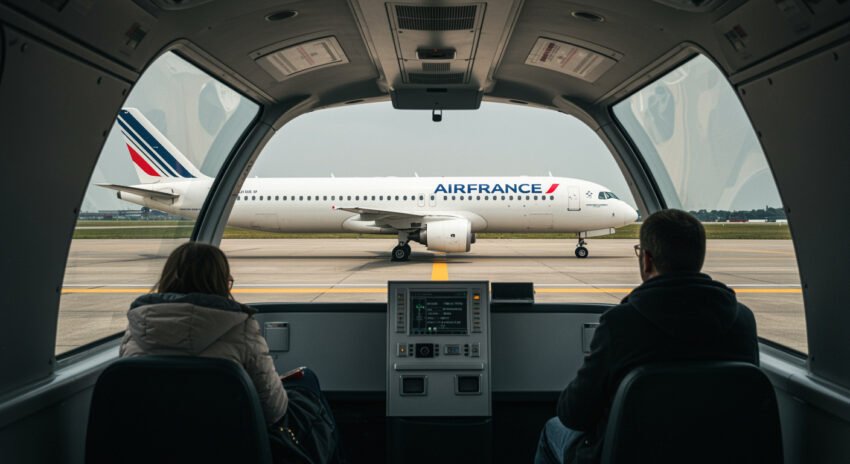

In a strategic shift that has reshaped its fleet and operational dynamics, Air France has made the bold decision to retire its Airbus A380 fleet, a move that has sparked significant debate in the aviation industry. Known for its iconic double-deck design and sheer capacity, the A380 was once hailed as the future of long-haul travel. However, Air France CEO Ben Smith defended the airline’s decision to retire the aircraft, citing high operational costs and limited profitability, especially in a post-pandemic world where efficiency and sustainability are paramount.
The decision to phase out the A380 fleet was accelerated during the COVID-19 pandemic, which forced airlines worldwide to reevaluate their fleet compositions, operational models, and long-term sustainability goals. Air France‘s transition away from the A380 is not just about reducing capacity; it represents a shift towards more fuel-efficient, cost-effective aircraft like the Airbus A350 and Boeing 777-300ER, which promise greater profitability, environmental benefits, and operational flexibility.
As Air France moves forward with these new aircraft, the retirement of the A380 is part of a broader strategy aimed at modernizing the fleet while enhancing passenger experience and minimizing environmental impact. This bold move is reshaping Air France’s approach to long-haul flights, sustainability, and competitive positioning within the global aviation market.
Why the Airbus A380 Had to Go
The Airbus A380, a marvel of modern aviation, was designed to carry more passengers, offer more luxury, and reduce the cost per seat. However, Air France‘s experience with the aircraft highlighted several challenges that made it unsustainable in the long term. Below are key reasons for the retirement of the A380 fleet:
1. High Operational Costs
While the A380 was popular among travelers for its comfort and spaciousness, the aircraft came with substantial maintenance and operational costs. Each aircraft required heavy investments for cabin refurbishments and engine overhauls, with estimates ranging between €50-60 million ($57-$69 million) per plane. These expenses made it difficult to maintain profitability, particularly given the aircraft’s limited usage during non-peak periods.
2. Seasonal Demand and Capacity Mismatch
The A380‘s high capacity was only fully utilized during peak travel seasons, such as summer holidays and holiday periods. During off-peak times, airlines struggled to fill such large planes, resulting in a poor cost-to-revenue ratio. The A380 was simply too large for many routes, making it less efficient compared to more versatile aircraft.
3. Environmental Impact
With growing pressure to reduce the aviation industry’s carbon footprint, the A380‘s fuel consumption became increasingly untenable. Despite its size, the aircraft’s fuel efficiency per passenger was lower than that of newer, smaller aircraft like the Airbus A350 and Boeing 777, which consume less fuel and produce fewer emissions.
4. Flexibility and Operational Efficiency
Air France recognized that it needed to optimize its fleet for operational flexibility. The A380, with its massive size and complex ground operations, was less adaptable to varying demand patterns compared to newer, more fuel-efficient aircraft. The Airbus A350 and Boeing 777-300ER provide better flexibility for long-haul routes with improved range and capacity, without the operational constraints posed by the A380.
The Shift to More Efficient Aircraft: A Focus on the Airbus A350 and Boeing 777-300ER
With the retirement of the A380, Air France is doubling down on a future that prioritizes efficiency, sustainability, and passenger comfort. The Airbus A350 and Boeing 777-300ER are integral to this strategy, and they align with the airline’s broader goals of fleet simplification and reducing environmental impact.
Airbus A350: The Future of Long-Haul Travel
The Airbus A350 has quickly become one of the most popular aircraft in the world, praised for its fuel efficiency, passenger comfort, and advanced technology. The A350 consumes 25% less fuel per passenger compared to its predecessors, making it a more environmentally friendly option for long-haul flights. The aircraft’s carbon fiber fuselage and wing design contribute to reduced drag, further improving fuel efficiency.
Moreover, the A350 offers a more modern and comfortable cabin experience with larger windows, quieter engines, and better air quality, making long flights more enjoyable for passengers.
Boeing 777-300ER: A Proven Workhorse
The Boeing 777-300ER is another cornerstone of Air France’s fleet modernization. This aircraft has been a mainstay in the airline industry for years due to its versatility, range, and fuel efficiency. It can carry a substantial number of passengers while maintaining operational efficiency and low environmental impact. The 777-300ER has been particularly successful for Air France on long-haul routes, offering both high passenger comfort and superior fuel efficiency.
Environmental Challenges and Opportunities: A Focus on Sustainability
Environmental concerns have become a central issue for the aviation industry, with regulators and the public pushing for significant reductions in emissions. In the wake of Air France’s A380 retirement, Ben Smith, CEO of Air France-KLM Group, emphasized the airline’s commitment to sustainability.
The shift from the A380 to more efficient aircraft like the A350 is a step in the right direction. The A350 is designed to be 25% more fuel-efficient than its predecessor, the A340, reducing both fuel consumption and carbon emissions. Additionally, Air France is committed to purchasing Sustainable Aviation Fuel (SAF), a crucial component in reducing aviation’s carbon footprint.
However, Smith also voiced concerns about the regulatory pressures facing European airlines. He criticized the European Commission’s environmental tax policies, which he argued place European airlines at a competitive disadvantage compared to global competitors, particularly those from regions with less stringent environmental regulations.
As Air France continues to modernize its fleet and invest in greener technologies, it remains committed to achieving a 10% SAF mandate by 2030.
The Strategic Vision Behind the A380’s Retirement
The decision to retire the A380 is part of a larger strategic vision that prioritizes long-term sustainability and economic resilience. By focusing on fuel-efficient aircraft, Air France is positioning itself for the future of air travel, where environmental sustainability and cost-effectiveness are critical to remaining competitive.
In addition to the A350 and Boeing 777-300ER, Air France is enhancing its premium product offerings. The airline’s introduction of the La Première first-class suite on select Boeing 777-300ER aircraft is designed to cater to the growing demand for luxury air travel. This move reflects Air France’s commitment to enhancing the passenger experience while focusing on profitability.
Air France’s Future Outlook: Sustainability and Innovation
Looking ahead, Air France is focused on navigating the evolving landscape of the aviation industry. With its fleet modernization efforts, the airline is poised to become a leader in sustainable aviation, delivering a blend of modern luxury, operational efficiency, and environmental responsibility.
Moreover, Air France continues to adapt to global shifts in air travel demand, influenced by factors such as the pandemic recovery and shifting passenger preferences. As airlines around the world transition to greener technologies and more efficient aircraft, Air France is positioning itself as a forward-thinking airline that embraces both technological innovation and sustainability.
Conclusion: The End of an Era, but a Brighter Future for Air France
The retirement of the Airbus A380 marks the end of an era for Air France. While the A380 will be remembered for its groundbreaking design and unmatched capacity, its retirement represents a necessary step toward a more sustainable and profitable future. By embracing more efficient aircraft like the Airbus A350 and Boeing 777-300ER, Air France is ensuring that it remains competitive in an evolving aviation market while aligning with the growing demand for environmentally responsible travel.
As Air France continues to modernize its fleet and adapt to the demands of today’s travelers, its commitment to innovation and sustainability will shape the future of air travel for years to come.
The post How Is Air France Enhancing the Passenger Experience as It Moves Away from the A380 and Invests in More Efficient Aircraft? appeared first on Travel And Tour World.