Washington State Patrol Reports 64 Vehicles Struck and 19 Troopers Injured as New Research Reveals Gaps in Roadside Safety Awareness
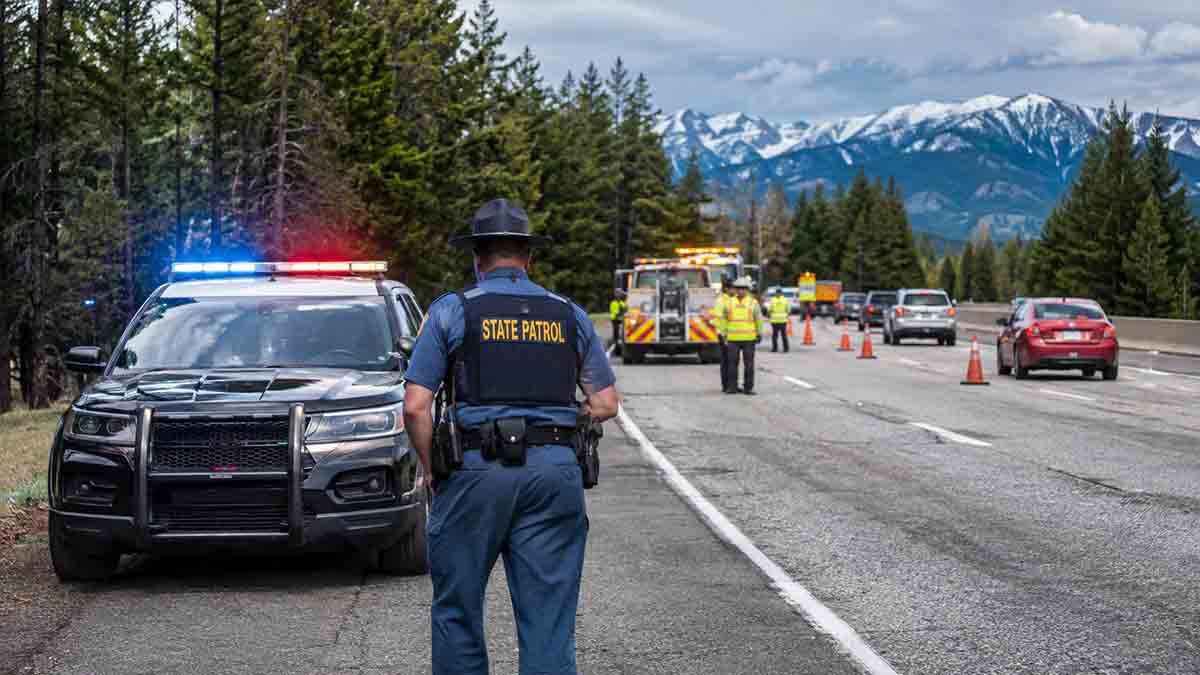

Washington State Patrol reports 64 vehicles struck and 19 troopers injured as new research reveals gaps in roadside safety awareness. Figures released by Washington transportation authorities highlight growing concerns for motorists and emergency responders, while recent highway collisions and driver surveys underline the importance of understanding Washington’s Move Over law.
Washington Roadside Safety Concerns Highlight Risks for Motorists and Emergency Responders
Roadside safety across Washington State has come under renewed scrutiny following reports that 64 Washington State Patrol vehicles were struck and 19 troopers injured while carrying out traffic enforcement or investigating collisions between January and September 2026.
The figures, announced by the Washington State Department of Transportation (WSDOT) on 29 October, highlight the dangers faced by emergency personnel working alongside moving traffic.
US law firm Lerner & Rowe has drawn attention to the findings, alongside Washington-specific research examining whether motorists understand their legal responsibilities when approaching stationary emergency vehicles.
The developments are particularly relevant to travellers using Washington’s interstate highways, including Interstate 5 and Interstate 90, where emergency responses, breakdowns and temporary lane closures can create hazardous conditions.
Washington Records 64 Patrol Vehicles Struck in Nine Months
According to WSDOT’s October announcement, Washington State Patrol recorded 64 patrol units struck and 19 troopers injured during the first nine months of 2026.
These incidents occurred while officers were conducting roadside enforcement or responding to traffic collisions, placing them in vulnerable positions near moving vehicles.
The problem is not new. Washington State Patrol previously documented 113 patrol vehicles struck during traffic stops or collision responses in 2022.
Historical figures demonstrate that roadside collisions represent a persistent public-safety challenge rather than an isolated development.
Separate data from the Washington Traffic Safety Commission identified 69 fatalities meeting its broader roadside-death criteria between 2020 and 2024. Approximately 53% occurred on interstate highways.
These figures reinforce the importance of protecting motorists, emergency responders and highway workers throughout Washington’s road network.
AAA Research Reveals Significant Gaps in Washington Driver Awareness
Research published by the AAA Foundation for Traffic Safety in March 2026 identified substantial differences between Washington motorists and the national average in understanding roadside safety requirements.
The foundation’s Washington-specific analysis, based on a 2025 driver survey, found that only 52% of respondents recognised special legal requirements near stopped police vehicles, compared with 66% nationally.
Awareness was lower for tow trucks, with 44% of Washington respondents recognising applicable requirements against a national average of 58%.
Both differences represented statistically significant gaps of 14 percentage points.
The research also examined motorists’ reported behaviour when passing stopped vehicles.
In Washington, 72% reported moving over when last passing a stationary police car, compared with 85% nationally.
For tow trucks, the corresponding figures were 74% in Washington and 85% across the United States.
Although self-reported responses cannot establish whether individual motorists violated traffic laws, the findings suggest opportunities for improved driver education.
National Roadside Research Highlights Risks of Inadequate Driver Responses
The AAA Foundation’s wider research examined the behaviour of 12,365 drivers passing 169 roadside incident scenes across 13 states.
Researchers observed that 36% of motorists neither changed lanes nor reduced their speed when approaching the incidents.
The findings suggest that awareness of roadside hazards does not consistently translate into safer driving behaviour.
Among nationally surveyed drivers who knew relevant Move Over laws existed, fewer than half recognised the requirement to slow down.
National responder-safety records cited by AAA also documented 46 responders struck and killed during 2024, including 26 law enforcement officers and 12 tow truck operators.
These statistics demonstrate why roadside safety remains an important issue for transport authorities throughout the United States.
Three October Collisions Reinforce Washington Highway Safety Concerns
Three additional collisions involving Washington patrol vehicles occurred during October 2026, after the reporting period covered by WSDOT’s nine-month figures.
On 21 October, a trooper was injured when a pickup truck struck a patrol vehicle during a lane closure on Interstate 90 in Kittitas County.
The following day, a patrol vehicle protecting an earlier collision was struck on Interstate 5 in Federal Way. The trooper escaped injury, while another motorist was arrested on suspicion of driving under the influence.
On 25 October, a motorhome struck a patrol vehicle and a WSDOT truck during traffic management for a disabled bus on Interstate 5 in Seattle. A trooper required hospital treatment.
These incidents illustrate the hazards associated with temporary traffic restrictions, disabled vehicles and emergency responses on busy highways.
Washington’s Move Over Law Protects Emergency and Roadside Workers
Washington’s Move Over law, RCW 46.61.212, establishes specific requirements for drivers approaching qualifying stationary vehicles.
Its protections extend beyond police cars and ambulances to include tow trucks, roadside assistance vehicles, highway maintenance crews, utility vehicles and solid waste collection vehicles when applicable statutory conditions are satisfied.
Motorists must reduce speed and move away from affected lanes when it is safe to do so.
Where changing lanes is unsafe, drivers must reduce their speed to at least 10 mph below the posted limit. On roads with speed limits exceeding 60 mph, they must travel no faster than 50 mph.
The legislation also establishes protected emergency or work zones extending 200 feet before and after qualifying vehicles.
Applicable monetary penalties are doubled for violations.
For visitors unfamiliar with Washington traffic regulations, understanding these requirements is particularly important when travelling between cities, airports and tourist destinations.
“Washington’s renewed focus on roadside safety is an important step towards protecting travellers, emergency responders and highway workers. At Travel And Tour World, we believe that responsible tourism begins with safe and informed journeys. The findings highlight a valuable opportunity for transport authorities, tourism organisations and motorists to work together in strengthening awareness of traffic regulations. Clear communication, improved driver education and greater respect for roadside emergency operations can make highways safer for everyone. As travel continues to connect communities and destinations, prioritising road safety will help build confidence, encourage responsible mobility and support a more secure travel environment.”— Anup Kumar Keshan, Founder and Editor-in-Chief, Travel And Tour World
Crash Responder Safety Week Focuses Attention on Highway Protection
The findings emerged ahead of Crash Responder Safety Week, held from 2 to 6 November 2026.
The campaign provides an opportunity for transport authorities, emergency services and road-safety organisations to reinforce practical guidance for motorists.
For Washington’s tourism and transport sectors, safer roadside behaviour supports more reliable journeys while protecting the personnel responsible for maintaining highway operations.
Drivers can contribute by remaining attentive, anticipating unexpected lane restrictions, reducing speed and providing adequate space around emergency and maintenance vehicles.
Greater public understanding of existing laws could help reduce preventable roadside incidents and strengthen safety across Washington’s interstate network.
Washington’s roadside collision figures and AAA’s driver awareness findings demonstrate the continuing importance of highway safety education. With emergency responders facing significant risks, greater understanding of Move Over requirements could improve protection for workers and motorists alike. Responsible driving remains essential for safer journeys throughout Washington’s major transport corridors.
The post Washington State Patrol Reports 64 Vehicles Struck and 19 Troopers Injured as New Research Reveals Gaps in Roadside Safety Awareness appeared first on Travel And Tour World.