Middle East Cruise Crisis Sparks Major Turkey Tourism Opportunity as Mediterranean Routes Shift Amid Security Fears
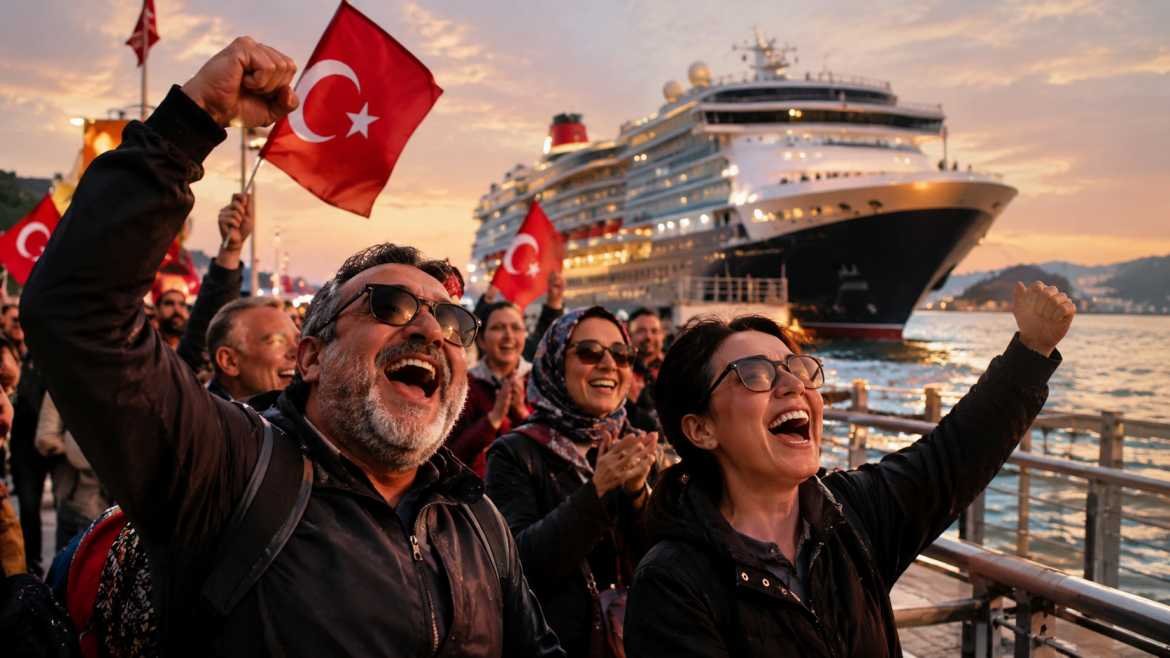

The global cruise tourism industry is facing a significant period of itinerary reassessment as growing security concerns across the Middle East prompt international cruise operators to reconsider their planned deployments in the Persian Gulf and Red Sea. As regional geopolitical uncertainty continues to influence maritime travel decisions, Türkiye is emerging as a potential beneficiary of changing cruise routes, with the Mediterranean increasingly being considered as an alternative destination for ships previously scheduled to operate in the Middle East.
The developing situation could create new opportunities for Türkiye to strengthen its presence in the international cruise market, particularly through its established ports in Istanbul, Kuşadası, Marmaris, Antalya and İzmir. However, the extent of any potential tourism gains will be determined by future deployment decisions, confirmed port calls and the ability of destinations to attract additional passenger spending.
According to Ahmet Yazıcı, Chairman of Sea Genesis Group, international cruise operators are reviewing their 2026–2027 and 2027–2028 sailing schedules in response to geopolitical developments affecting Middle Eastern waters. As part of these adjustments, some cruise capacity is being considered for redeployment toward the Mediterranean, Europe, the Caribbean and South America.
Although the potential movement of additional ships into Mediterranean waters could support regional cruise tourism growth, increased competition among destinations is also expected. Türkiye could benefit from these changes, but its success will depend on the competitiveness of its ports, tourism infrastructure, international connectivity and destination offerings.
Middle East Security Concerns Trigger Major Cruise Itinerary Reassessment
Cruise tourism has long been influenced by geopolitical stability, maritime security and the operational requirements of international shipping. With concerns surrounding the Persian Gulf and Red Sea affecting confidence in certain regional itineraries, cruise companies are being encouraged to reassess their deployment strategies for the coming seasons.
According to information provided by Ahmet Yazıcı, some planned cruise itineraries have already been canceled or redirected, while future sailing schedules are undergoing further review.
These adjustments are particularly significant because cruise operations depend on extensive advance planning. Vessel deployment, port reservations, shore excursion arrangements, passenger transportation and destination marketing are generally coordinated well before ships begin their scheduled voyages.
Consequently, changes to regional security conditions can have implications extending beyond individual sailings. Entire seasonal deployment plans may be reconsidered when operational reliability and passenger safety become more prominent considerations.
The Mediterranean has been identified as one of the regions potentially positioned to receive additional cruise capacity. Its established network of ports, internationally recognized tourism destinations and extensive cruise infrastructure could make it an attractive alternative for operators seeking to adjust their Middle Eastern programs.
Nevertheless, the possible arrival of additional ships should not be interpreted as a guaranteed increase in cruise passenger numbers for every Mediterranean destination.
Competition for vessel deployments is expected to remain strong, with ports required to demonstrate operational efficiency, reliable infrastructure and compelling visitor experiences.
Türkiye Emerges as a Potential Beneficiary of Changing Mediterranean Cruise Routes
Türkiye could be particularly well positioned to compete for additional cruise traffic because of its geographic location and established presence within Mediterranean cruise itineraries.
The country is served by several important cruise destinations, including Istanbul, Kuşadası, Marmaris, Antalya and İzmir. These ports provide access to a combination of cultural attractions, coastal tourism experiences, historical landmarks and urban destinations.
As international operators reconsider their sailing schedules, these existing advantages could support Türkiye in competing for revised itineraries.
The country’s location between Europe and Asia is also considered relevant to its cruise tourism potential. Access to established Mediterranean routes and a diverse selection of destinations could provide operators with opportunities to develop varied passenger experiences.
However, the availability of suitable ports alone will not determine whether additional cruise calls are secured.
Cruise companies are expected to evaluate a combination of commercial, logistical and operational factors when deciding where vessels should be deployed. These considerations may include berth availability, passenger handling capabilities, destination demand, itinerary efficiency and the overall attractiveness of the ports being considered.
Türkiye’s ability to convert the current market reassessment into measurable tourism growth will therefore depend on whether its destinations are selected for additional sailings.
The opportunity remains significant, but the number of ships that could eventually be redirected toward Turkish ports has not yet been established.
One of the most notable opportunities identified for Türkiye involves the expansion of cruise tourism beyond the traditional summer travel period.
Istanbul is increasingly being positioned as a destination capable of supporting cruise activity during the winter months, with particular attention being directed toward its potential as an international cruise homeport.
According to figures cited in the supplied announcement, Galataport Istanbul is targeting 51 cruise calls and approximately 150,000 passengers during the 2026–2027 winter season.
These figures represent projections rather than confirmed passenger arrivals, but they illustrate the scale of the winter cruise activity being targeted.
If the anticipated program is achieved, additional economic opportunities could be created for businesses operating beyond the cruise terminal.
Hotel accommodation, restaurants, local transportation, retail outlets and tourism services could all benefit from passengers spending time in Istanbul before or after their voyages.
The potential development of winter cruise activity is particularly important because it could help distribute tourism demand across a wider portion of the year.
Rather than relying primarily on seasonal passenger flows, the destination could be supported by cruise-related travel during periods when additional visitor demand would be valuable to the wider tourism economy.
However, the projected passenger volume will depend on the successful operation of the planned winter schedule and the actual number of passengers travelling through the port.
Galataport Istanbul Homeport Strategy Could Increase Tourism Spending
The development of Istanbul as a cruise homeport has been identified as an important component of Türkiye’s wider cruise tourism ambitions.
A homeport differs from a conventional port of call because passengers begin or conclude their voyages at the destination rather than simply visiting for a limited period during a cruise itinerary.
This distinction can have significant implications for local tourism spending.
Passengers embarking on a cruise may arrive before their scheduled departure, creating demand for overnight accommodation, airport transfers, dining and sightseeing.
Similarly, passengers completing their voyages may choose to remain in the destination before continuing their onward journeys.
Through these additional activities, economic benefits can be generated beyond the immediate passenger movements associated with cruise terminal operations.
For Istanbul, the expansion of homeport activity could therefore support a broader network of tourism businesses.
The city’s accommodation sector, transportation providers, restaurants, shopping establishments and visitor attractions could all potentially benefit from longer passenger stays.
According to Ahmet Yazıcı, strengthening Istanbul’s homeport role could contribute to increased visitor expenditure and longer stays in Türkiye.
However, the actual economic impact would depend on passenger travel patterns, the proportion of visitors choosing pre-cruise or post-cruise accommodation and the amount spent within the destination.
The successful development of homeport operations would also require effective coordination between cruise terminals, tourism businesses and transport providers.
Kuşadası, Marmaris, Antalya and İzmir Could Compete for Additional Cruise Calls
Although Istanbul has attracted attention because of its winter cruise ambitions, the potential benefits of changing Mediterranean itineraries are not limited to a single Turkish destination.
Kuşadası, Marmaris, Antalya and İzmir are also positioned to compete for additional cruise activity as international operators review their future sailing programs.
Each destination offers different tourism characteristics, allowing cruise companies to consider a range of itinerary options within Türkiye.
Kuşadası is associated with access to historical and cultural tourism experiences, while Marmaris offers a coastal setting connected with leisure tourism.
Antalya provides access to an established tourism region known for its Mediterranean coastline and visitor attractions, while İzmir offers urban, cultural and regional tourism opportunities.
These differences could become valuable as cruise operators seek to develop attractive itineraries for passengers with varying travel interests.
The availability of several established cruise destinations within one country could also support the development of programs combining different Turkish ports.
Nevertheless, any expansion would remain dependent on commercial decisions made by international cruise operators.
Additional ships being reassigned to the Mediterranean would not necessarily result in an equal distribution of cruise traffic across the region.
Ports with suitable infrastructure, attractive shore excursion options and dependable operational arrangements could be better positioned to compete for available capacity.
As a result, the ability of individual Turkish destinations to secure additional calls will be determined by their competitiveness within the wider Mediterranean cruise market.
Mediterranean Cruise Market Faces Intensifying Competition
The possible redeployment of ships from the Middle East could reshape competition among Mediterranean cruise destinations during the 2026–2027 and 2027–2028 seasons.
Although additional capacity could increase the number of vessels operating in the region, the resulting opportunities would be shared among destinations seeking to attract cruise operators.
For Türkiye, this creates both a potential advantage and a commercial challenge.
Established port facilities and tourism attractions could support the country’s competitiveness, but similar efforts to attract cruise traffic may also be undertaken elsewhere in the Mediterranean.
Port infrastructure is expected to remain a central consideration.
Cruise ships require suitable berthing facilities, efficient passenger movement, reliable operational services and access to transportation networks capable of supporting shore visits.
Destination diversity is another important factor because cruise itineraries are generally developed around a combination of visitor experiences.
Cultural heritage, coastal attractions, shopping, gastronomy and sightseeing opportunities can contribute to the overall appeal of a proposed sailing program.
International promotion will also be important as destinations compete to secure positions within future cruise schedules.
According to Yazıcı, Türkiye’s geographic advantages, port infrastructure and range of tourism destinations could support its competitive position.
However, the opportunities created by changing cruise deployments would need to be supported by coordinated efforts involving infrastructure, destination development and international marketing.
Without such coordination, the presence of additional Mediterranean cruise capacity may not translate into sustained economic gains for Turkish tourism.
Cruise Deployment Decisions Could Influence Türkiye’s Tourism Outlook Beyond 2027
The reassessment of international cruise schedules is especially relevant because deployment decisions can shape destination traffic well beyond the immediate period of geopolitical disruption.
Cruise companies typically establish their itineraries in advance, allowing sufficient time for commercial planning, passenger bookings, port arrangements and destination promotion.
As a result, decisions being considered for the 2026–2027 and 2027–2028 seasons could influence future passenger flows and destination visibility.
For Türkiye, securing additional places within international cruise programs could provide opportunities extending beyond a single season.
Repeated cruise calls could strengthen relationships between destinations and operators, while successful homeport operations could support the development of additional tourism services.
However, such outcomes should be regarded as potential benefits rather than confirmed developments.
The current announcement does not identify specific international cruise lines that have committed to transferring additional vessels to Turkish ports because of the Middle East security situation.
No individual ships or newly confirmed Turkish port calls resulting directly from these itinerary adjustments have been specified.
Consequently, the scale of any additional cruise activity remains uncertain.
The distinction between available cruise capacity and confirmed port arrivals is important when assessing the likely economic impact.
A decision to move ships into the Mediterranean would represent an initial opportunity, while actual tourism growth would depend on the selection of Turkish ports, completed sailings and passenger expenditure.
Regional Cruise Disruptions Highlight the Importance of Long-Term Tourism Planning
The evolving cruise market has also highlighted the importance of balancing immediate commercial opportunities with long-term destination planning.
Cruise tourism is particularly sensitive to international developments because vessels operate across multiple countries and maritime regions.
Security conditions, operational requirements and destination demand can all influence itinerary decisions.
At the same time, the infrastructure required to support cruise tourism cannot always be expanded or adjusted quickly.
Ports must be capable of accommodating vessels, handling passenger movements and supporting the services necessary for reliable cruise operations.
This creates a need for destinations to consider both current market developments and future tourism requirements.
For Türkiye, the present reassessment of Middle Eastern itineraries could provide an opportunity to strengthen its competitive position through sustained investment and coordination.
Improvements in port services, destination marketing and visitor experiences could support efforts to attract international cruise operators.
The development of winter cruise tourism could also contribute to a more diversified seasonal tourism model, particularly if Istanbul’s projected homeport activity is achieved.
However, these potential advantages will need to be supported by confirmed deployment decisions and measurable passenger demand.
Türkiye’s Cruise Tourism Opportunity Remains Promising but Unconfirmed
The changing international cruise landscape has created a potentially important opening for Türkiye as operators reconsider voyages in the Persian Gulf and Red Sea.
With the Mediterranean being evaluated as an alternative deployment region, Turkish destinations could benefit from their existing cruise infrastructure, geographic position and diverse tourism attractions.
Istanbul’s projected 51 cruise calls and approximately 150,000 passengers during the 2026–2027 winter season represent a notable development target, particularly in relation to the city’s ambitions as an international homeport.
Meanwhile, Kuşadası, Marmaris, Antalya and İzmir could also compete for additional cruise calls as future Mediterranean itineraries are reviewed.
The broader economic opportunity could extend into accommodation, restaurants, transportation, retail and other tourism services, especially where additional overnight stays are generated.
Nevertheless, increased competition among Mediterranean destinations and the absence of newly confirmed Turkish port calls mean that the eventual impact cannot yet be quantified.
As the 2026–2027 and 2027–2028 cruise deployment plans continue to be assessed, Türkiye’s ability to attract additional vessels and convert passenger arrivals into sustained tourism expenditure will remain central to determining whether regional cruise disruptions result in lasting opportunities for the country’s tourism industry.
The post Middle East Cruise Crisis Sparks Major Turkey Tourism Opportunity as Mediterranean Routes Shift Amid Security Fears appeared first on Travel And Tour World.