Star Princess, Star of the Seas, Dream, Magic, and Breeze As Cruise Industry Branding Booms, Is It Time to Rethink Repetitive Names and Spark New Imagination at Sea?
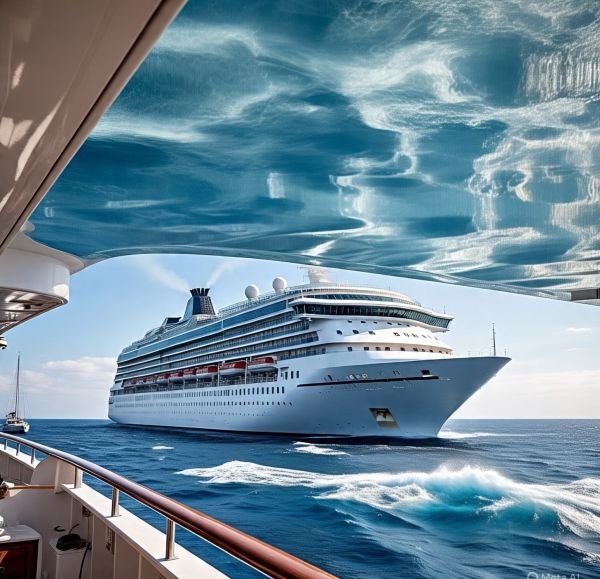
Global Ramifications for Travelers and the Cruise Industry
Across the globe, travelers are starting to notice a trend that could impact their experience even before stepping on board: a growing sameness in the names of cruise ships. Industry watchers are raising alarms over the increasing lack of originality in naming conventions, suggesting that this could blur the identity of cruise lines and weaken the excitement typically surrounding new ship launches.
As the cruise industry expands rapidly, especially heading into 2025, there’s a mounting concern that the pool of memorable and unique names is running dry. This saturation may lead to confusion among passengers, as similar-sounding vessels may become hard to distinguish from one another. The result? Potential brand fatigue. Travelers seeking something distinct and special might begin to explore alternatives beyond the sea, drawn toward vacations that offer more personalized appeal.
Repetitive Naming Poses a Creative Bottleneck
Observers in the cruise world have pointed out that new ships seem to be arriving with overlapping names, stripping away the magic that a launch once held. Take 2025 for example—two much-anticipated ships, the Star Princess and the Star of the Seas, are both set to debut. The choice of the word “Star” in each name is hardly isolated.
The term already appears in existing vessels such as Viking Star, Norwegian Star, Emerald Star, Star Clipper, Star Flyer, Wind Star, Star Legend, Star Pride, and Star Breeze. With such widespread use of this naming element, it’s becoming clear that the branding strategy is cycling through the same limited vocabulary.
What may have once inspired trust and familiarity is now running the risk of making all ships feel interchangeable, blurring their uniqueness and making it harder for travelers to form strong associations with any particular line or voyage.
Brand Identity at Risk
For some cruise lines, naming conventions have morphed into long-standing traditions. A notable example involves the frequent reuse of the “-dam” suffix, which dates back to the 1880s. Over the decades, ships named Rotterdam, Noordam, Maasdam, Statendam, Amsterdam, and Nieuw Amsterdam have each had multiple iterations. What once felt like a proud lineage now risks being perceived as monotonous and repetitive.
Other cruise lines are known for standardized naming frameworks—“of the Seas” remains consistent across one major fleet, while another uses the prefix “Silver” across its ships. Royal titles such as “Queen” are also common, and some fleets lean into themes like jewels, celestial bodies, or natural elements.
Including the company name within the ship name, as seen with brands like Carnival, Princess, or Celebrity, was once a smart way to maintain brand identity. Now, however, such tactics might be limiting rather than liberating. While these choices originally promoted recognition and loyalty, they may now be stifling the innovation travelers expect from modern cruise vacations.
Cultural Shifts in Naming Preferences
When a British public poll asked citizens to name a polar research ship, the winning entry—Boaty McBoatface—quickly became an internet sensation. While humorous, the name struck a chord with the public and left a lasting impression that continues to resonate a decade later. Its popularity signaled a desire for playful, unexpected names that bring a touch of fun to otherwise formal traditions.
Though no cruise company has taken that bold of a leap, some have tested public involvement. For example, when a cruise line opened naming contests, the outcomes—Pacific Aria and Pacific Eden—were the result. Yet, even these leaned toward conventionality rather than daring creativity.
The strong public reaction to more lighthearted and original naming options shows there’s an untapped appetite for titles that better match the joy and freedom people associate with vacations.
Opportunities for Innovation in Cruise Branding
With the fleet of cruise ships only growing, finding a fresh and compelling name is becoming an uphill climb. Yet, this challenge also presents a golden opportunity. There’s increasing support among experts and travelers alike for ship names that spark emotion, curiosity, or imagination.
Names like Sea-esta or Self Love Boat—though currently just creative musings—demonstrate the direction in which the industry could evolve. This next wave of naming could lean into themes of self-care, sustainability, or personal transformation, aligning with the interests of younger generations and niche traveler markets.
A willingness to move away from the ordinary could not only revive public enthusiasm but also allow cruise lines to differentiate themselves in a crowded market.
Looking Ahead: A Turning Point in Travel Identity
As the cruise industry gears up for another transformative year in 2025, many believe it’s time to reconsider how ships are named. In an age when travelers are looking for unique, memorable experiences, a ship’s name often serves as the first impression. It should ignite excitement, not confusion.
With ongoing changes shaped by post-pandemic travel habits and eco-conscious values, the naming of cruise ships is more than a cosmetic choice—it’s part of a larger shift in how we experience and perceive travel. Aligning ship names with modern expectations could offer cruise lines a strategic edge, while offering vacationers a renewed sense of wonder.
Important Lines to Note:
- “Travelers are facing increasing difficulty distinguishing one ship from another.”
- “What once built trust is now creating confusion.”
- “The industry has reached a creative bottleneck in naming.”
- “Imaginative names can reawaken excitement and drive traveler interest.”
- “2025 could be a defining year for cruise branding strategies.”
In an industry that thrives on the promise of adventure, it’s time for cruise lines to think beyond the traditional and embrace names that reflect the rich diversity and emotional resonance of travel itself.
The post Star Princess, Star of the Seas, Dream, Magic, and Breeze As Cruise Industry Branding Booms, Is It Time to Rethink Repetitive Names and Spark New Imagination at Sea? appeared first on Travel And Tour World.