Japan Airlines Shanghai to Tokyo Flight Makes Panic Dive and Emergency Landing at Kansai Airport, Everything You Need to Know
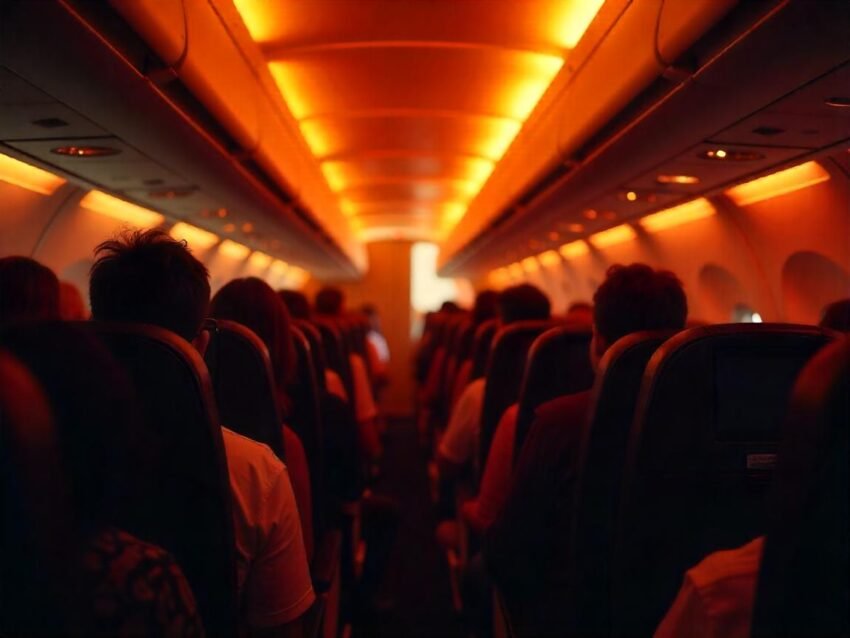

A Japan Airlines flight soaring from Shanghai to Tokyo turned into a nightmare as it made a panic dive and an emergency landing at Kansai Airport, leaving travelers breathless and sparking travel disruptions nobody saw coming. Meanwhile, the skies above Asia trembled under industry scrutiny as questions loomed large.
One moment, passengers relaxed between Shanghai and Tokyo skies. The next, chaos erupted, forcing Japan Airlines into a terrifying panic dive that shocked everyone on board.
As the Boeing aircraft dropped rapidly, Kansai Airport became the only hope for survival, pulling focus onto this emergency landing and throwing Japan’s aviation safety into sharp relief.
Moreover, the incident has sparked intense travel disruptions, unsettling the region’s travel industry and raising urgent concerns.
What really went wrong on this Japan Airlines flight? Why did a Shanghai to Tokyo journey end in a panic dive and emergency landing at Kansai Airport? The industry—and passengers—demand answers.
A Routine Flight Turns Into Panic at 35,000 Feet
Travelers eager to reach Tokyo found themselves gripped by fear as a Japan Airlines flight from Shanghai experienced a harrowing mid-air emergency, reminding the aviation world that even routine journeys can turn turbulent in an instant.
On Monday evening, a Boeing 737 operating as Japan Airlines flight JL8696, under Spring Airlines Japan’s operational control, dramatically diverted from its route after a cabin pressurization alert set off alarms in the cockpit.
This incident triggered chaos not only in the skies but across Asia’s travel industry, raising fresh concerns about safety protocols and operational transparency in complex airline partnerships.
The Terrifying Dive That Left Passengers Gasping
The aircraft, with 191 souls aboard, was cruising smoothly from Shanghai Pudong Airport (PVG) to Tokyo Narita Airport (NRT). However, the calm shattered when the onboard systems detected irregularities in cabin pressure—a life-threatening situation at cruising altitude.
Within moments, the pilots initiated a rapid descent of roughly 7,000 meters. Oxygen masks deployed. Passengers felt their ears pop and their hearts pound as the plane dove through turbulent skies.
Meanwhile, flight attendants moved swiftly to secure the cabin. Lights dimmed. Anxiety surged. The descent felt endless, each second stretching into eternity for frightened travelers.
Emergency Landing at Kansai International Airport
With the aircraft still airborne but descending fast, pilots declared an emergency and coordinated with air traffic control. Kansai International Airport (KIX), situated near Osaka, became the safe harbor for the stricken flight.
As the 737 touched down at KIX, ground staff and emergency services stood ready. Thankfully, no injuries or medical incidents were reported. Yet the emotional toll on passengers was undeniable.
Airlines swiftly mobilized support teams, as weary travelers disembarked under the neon glow of Kansai’s concourses, some trembling, others sobbing, all relieved to be alive.
The Complex Web of Airline Operations Behind the Flight
Although the flight carried a Japan Airlines (JL) number, the aircraft and operational reins belonged to Spring Airlines Japan (IJ).
Japan Airlines, the majority stakeholder in Spring Airlines Japan, operates this budget carrier alongside China’s Spring Airlines (9C), which holds a 33% minority stake. However, the Chinese parent clarified it does not directly influence operational decisions in its Japanese offshoot.
Such intricate corporate structures are increasingly common in Asia’s competitive aviation landscape, but they often leave travelers unaware of who’s truly running their flight—or maintaining the aircraft they board.
Passengers Compensated, Yet Concerns Linger
After the emergency landing, Japan Airlines moved quickly to manage the crisis. Passengers received ¥15,000 (approximately $93 USD) to cover transportation costs and were offered overnight hotel accommodations.
Yet even generous compensation cannot erase the terror experienced during a sudden dive from cruising altitude. Many passengers flooded social media with emotional posts, expressing both gratitude for their safety and frustration over disrupted travel plans.
Meanwhile, Japanese aviation authorities, including the Osaka Civil Aviation Bureau under the Ministry of Land, Infrastructure, Transport and Tourism, launched a thorough investigation into the incident. As of Tuesday, no technical conclusions had been released, leaving many questions unanswered.
Ripple Effects on Asia’s Travel Industry
This emergency isn’t merely a one-flight scare—it underscores how fragile traveler confidence can be in a region where tourism demand is roaring back post-pandemic.
Air travel across Asia has surged in 2025, fueled by pent-up leisure travel and corporate events. Routes between Shanghai and Tokyo remain among the region’s busiest corridors. Any disruption on such a vital route sends shockwaves through flight schedules, hotel bookings, and even broader tourism spending.
Moreover, incidents like this remind airlines and regulators alike that operational transparency is essential, particularly when travelers book with a trusted national carrier but end up flying on aircraft operated by another brand.
Safety Protocols Under the Spotlight
Modern aviation is extraordinarily safe. Yet cabin depressurization is among the most dangerous in-flight scenarios, demanding immediate action.
A rapid descent helps equalize air pressure to prevent hypoxia—a lack of oxygen that can incapacitate passengers and crew within minutes at cruising altitudes. Deploying oxygen masks buys precious time until the aircraft reaches breathable altitudes.
Aviation professionals stress that such procedures save lives. However, these drills are terrifying in practice, as passengers endure screaming alarms, plunging altitudes, and ominous cabin announcements.
A Wake-Up Call for Airlines and Travelers Alike
The Kansai emergency landing serves as a stark reminder that even in 2025’s technologically advanced aviation era, unforeseen mechanical failures can disrupt the best-laid travel plans.
It also highlights how airline partnerships, codeshares, and operational outsourcing—common across Asia’s booming low-cost sector—can sometimes leave passengers in the dark about who truly runs their flight.
Japan Airlines’ swift crisis response has won praise, yet the travel industry will be watching closely as investigators probe the incident’s root cause. Passengers, meanwhile, may fly with a sharper eye on the fine print of their bookings, wary of surprises behind familiar airline logos.
The Road Ahead
While the immediate crisis has ended, ripples from this emergency will continue to shape Japan’s aviation industry. Airlines are under renewed pressure to reassure travelers about safety and clarify their operational models.
As summer travel peaks across Asia, both leisure and business travelers will be eager for clear communication, transparent operations, and above all—safe skies.
Japan Airlines and Spring Airlines Japan now face the dual challenge of restoring confidence and ensuring that such harrowing emergencies remain rare anomalies in the region’s skies.
The post Japan Airlines Shanghai to Tokyo Flight Makes Panic Dive and Emergency Landing at Kansai Airport, Everything You Need to Know appeared first on Travel And Tour World.