How to Outsmart Hidden Airline Fees, New Packing Secrets for Today’s Travelers, Here it is
How to Outsmart Hidden Airline Fees, New Packing Secrets for Today’s Travelers, Here it is

Air travel has never been more accessible—or more complicated. From shifting liquid rules to shrinking baggage allowances, travelers worldwide are grappling with a growing minefield of hidden airline fees.
For seasoned passengers and first-time flyers alike, packing for a trip is no longer simply a question of what to bring—but how to bring it without paying dearly. Airlines, under pressure to boost profits, are increasingly relying on ancillary fees, including charges for oversized bags, overweight luggage, and unexpected cabin baggage penalties.
In this changing landscape, knowing how to pack smart isn’t just helpful—it’s essential. Let’s dive deep into the practical steps every traveler can take to avoid these stealth costs, keeping both their luggage—and their wallets—light.
Why Airline Baggage Rules Are Changing
Once upon a time, a ticket price covered not just your seat, but often a generous luggage allowance. Those days, for many airlines, are gone.
Today, airlines across the world are unbundling services, selling base fares at rock-bottom prices while charging for everything from seat selection to cabin baggage. Budget carriers have led the way, but even major airlines now enforce strict rules on both the size and weight of carry-on bags.
A new twist has emerged in some UK airports, where reports indicate staff are being financially incentivised to enforce luggage size rules at the gate. Travelers, caught off guard, can face charges that sometimes exceed the cost of the original ticket.
Understanding these changes—and staying ahead of them—is critical for both leisure and business travelers aiming to avoid last-minute surprises.
Liquid Limits: The Hidden Trap for Many Flyers
One of the most confusing—and expensive—areas for modern travelers revolves around liquid restrictions in hand luggage.
While some UK airports, such as Birmingham and Edinburgh, have eased rules to allow passengers up to two liters of liquids in cabin bags, the picture remains inconsistent. Many airports still enforce the traditional 100ml limit, creating a patchwork of regulations that can quickly turn a seamless journey into a stressful scramble.
A traveler flying out of a lenient airport might find their liquids confiscated upon returning through an airport with stricter rules. Worse, they could be forced to check an entire bag at the gate, triggering hefty fees simply to save a favorite perfume or skincare product.
The takeaway? Always check liquid rules for both your departure and arrival airports. This simple step can save travelers significant hassle—and cash.
Know Your Airline’s Specific Rules
Not all airlines are created equal when it comes to baggage policies. And this variation can be the difference between a smooth trip and an expensive fiasco.
For instance, EasyJet and British Airways currently allow larger cabin bags than Ryanair, though Ryanair provides a slightly more generous under-seat bag allowance than some competitors. However, even when dimensions fit, weight restrictions can cause problems.
Airlines must balance passenger comfort with safety and fuel efficiency. Thus, a bag that fits overhead might still rack up fees if it’s too heavy. Travelers should weigh their bags at home using a simple luggage scale, avoiding shock at the airport check-in counter.
For travel professionals and advisors, this level of knowledge is becoming an essential service. Clients increasingly expect guidance not just on destinations, but on navigating the fine print of airline rules.
Pack Like a Pro: Less is Truly More
Consumer expert Jane Hawkes, who previously worked as a British Airways stewardess, offers one piece of advice above all others: pack less.
Many travelers, especially those heading to beach destinations, dramatically overpack. In reality, a handful of versatile outfits, combined with travel-sized toiletries and a practical capsule wardrobe, is often all that’s required for a week-long holiday.
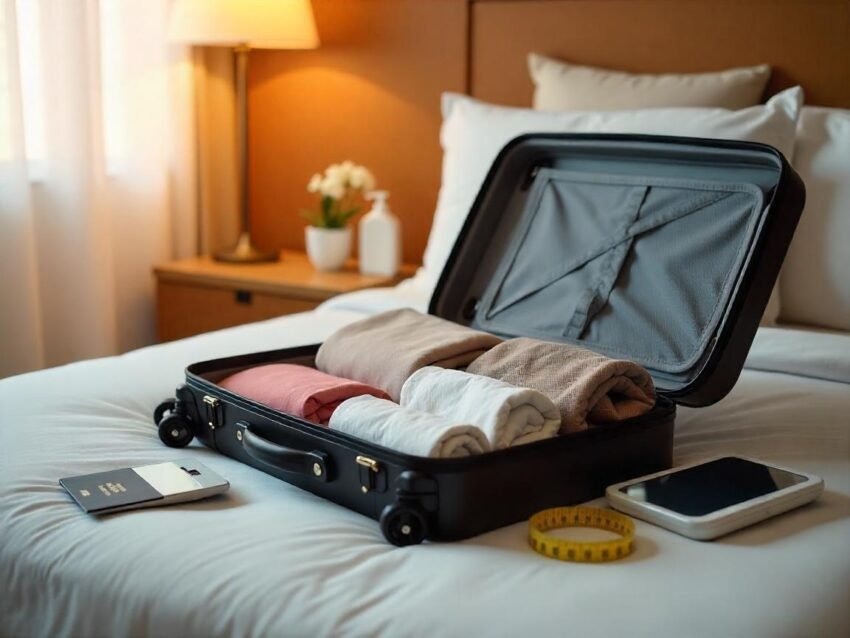
Rolling clothes instead of folding saves space and reduces wrinkles. Packing cubes or compression bags help keep luggage organised and maximise every inch of space. Another tried-and-true tactic? Wearing bulky items—like jackets, boots, or sneakers—on the plane. It frees up space in your suitcase while also keeping you comfortable in chilly aircraft cabins.
Such small changes can help travelers avoid overweight bag fees while also simplifying their travel experience.
The Personal Item: Your Secret Weapon
In the fine print of airline policies lies an often-overlooked advantage: the personal item.
Most airlines allow travelers to bring one personal item in addition to their cabin bag. Choosing this item wisely can make all the difference. A spacious backpack or soft-sided tote can hold a laptop, travel documents, snacks, and even an extra outfit, reducing pressure on your main carry-on.
However, travelers should always check size restrictions for personal items, which vary dramatically between carriers. It’s a smart way to sidestep hidden fees while ensuring essentials remain close at hand.
Duty-Free Shopping: Proceed with Caution
For decades, duty-free shopping has been a cherished airport tradition. Yet in an age of tight baggage restrictions, even this perk can become a financial trap.
Anything bought airside does not have to comply with liquid rules immediately—but once you try to board a connecting flight or face weight limits on hand luggage, those bottles of spirits or luxury perfumes might push you over the threshold.
Savvy travelers should explore services like “Shop Now, Collect on Return,” available at many airports. This allows passengers to buy duty-free items at the start of their journey but collect them only upon return, avoiding the hassle of carrying extra bags through multiple flights.
Speak Up if Fees Are Unfair
Even the most cautious traveler can sometimes find themselves facing unexpected charges. When that happens, Jane Hawkes urges consumers to lodge a formal complaint with the airline.
If the airline’s staff applied a fee unfairly, there’s often a chance of reclaiming the money—especially if a complaint is well-documented and polite but firm.
For travel advisors, helping clients navigate post-trip disputes can build trust and loyalty, transforming a frustrating experience into a positive resolution.
Airlines Tighten the Reins on Cabin Bags
A growing trend is shaking up the airline industry: carriers are tightening rules on cabin luggage while simultaneously dangling low upfront fares to attract price-conscious travelers. Budget airlines in particular are raising revenue from ancillary fees, including penalties for oversized or overweight hand luggage.
In recent months, staff at several UK airports have reportedly been incentivized with bonuses for enforcing carry-on size restrictions, targeting unsuspecting passengers who may assume their bags will be accepted as cabin baggage. For budget-conscious travelers, failing to meet size and weight limits can transform a cheap ticket into an unexpectedly expensive journey.
As summer unfolds, travel advisors must prepare clients for potential last-minute fees and steer them toward smarter packing choices.
Know Your Airline’s Baggage Allowance
Not all airlines play by the same rules. Airlines like EasyJet and British Airways offer more generous overhead cabin bag allowances, while carriers like Ryanair impose stricter limits but provide slightly more flexibility on under-seat bags.
Jane Hawkes advises travelers to check not just the dimensions of their cabin bag but also weight restrictions, as airlines remain vigilant about maintaining safe loads on their aircraft. Even if a bag fits size requirements, it might incur extra fees if it’s overweight.
For travel agents and corporate travel planners, knowing these nuances can mean the difference between a smooth journey and a client complaint. Offering clear, airline-specific guidance on baggage policies is fast becoming a key part of delivering excellent service.
Packing Smarter: Less is Truly More
One of Hawkes’ golden rules is brutally simple: pack less. Especially for leisure travelers heading to beach destinations, packing a versatile capsule wardrobe can significantly reduce luggage stress and costs.
Rolling clothing to save space, choosing items that can be mixed and matched, and wearing bulkier items like trainers and jackets on the plane are time-tested tricks that remain as effective as ever.
This minimalist approach not only protects wallets from surprise baggage fees but also reduces stress at security checks, improves mobility, and even contributes to lower carbon emissions by reducing aircraft weight.
Duty-Free Shopping: Proceed with Caution
For many travelers, grabbing duty-free bargains is a holiday tradition. However, as Hawkes points out, not all purchases fit neatly into carry-on limits. Airlines may enforce strict policies that prevent passengers from bringing additional duty-free bags into the cabin if they’re traveling with hand luggage only.
One helpful alternative is the increasingly popular “Shop Now, Collect on Return” service offered by some airports. This allows travelers to shop at departure but leave their purchases to be collected upon their return, sidestepping cabin baggage limits altogether.
For retail partners and airports, promoting this service is a clever way to preserve duty-free sales while helping travelers comply with baggage rules.
Don’t Let Fees Go Unchallenged
Despite best efforts, travelers can still find themselves facing unexpected charges at the airport gate. Hawkes urges passengers not to simply accept excessive baggage fees without question. If a fee seems unfair or misapplied, she encourages travelers to file formal complaints with the airline to recoup costs.
For travel advisors and tour operators, supporting clients through such disputes can build trust and strengthen long-term relationships, especially when dealing with repeat customers or high-value corporate accounts.
Why This Matters for the Travel Industry
These emerging trends reflect a broader shift in how airlines generate revenue. While base fares continue to drop in a competitive market, airlines are increasingly relying on ancillary fees—including baggage charges—to protect their margins.
For travel professionals, the implications are profound. Travelers now expect expert guidance on how to avoid hidden costs, and failure to provide this information can damage credibility and customer loyalty.
Moreover, the ongoing changes in liquid allowances and cabin bag regulations mean the travel industry must stay vigilant, updating clients in real time as rules evolve.
Travel Smart, Save Big
As the summer travel season peaks, the stakes for avoiding hidden costs have never been higher. For many travelers, a holiday’s affordability hinges not only on ticket prices but also on savvy packing and a thorough understanding of baggage policies.
Travel professionals have an essential role in educating clients, helping them navigate a labyrinth of airline rules, and ensuring that a dream holiday doesn’t turn into a costly ordeal.
Thanks to experts like Jane Hawkes, travelers can reclaim control of their journeys, dodge hidden fees, and pack for adventure with confidence—ensuring that summer memories remain priceless.
The post How to Outsmart Hidden Airline Fees, New Packing Secrets for Today’s Travelers, Here it is appeared first on Travel And Tour World.