Now, London–Essex c2c Service, Labour Government Brings Into Public Hands: Here Is What You Want To Know
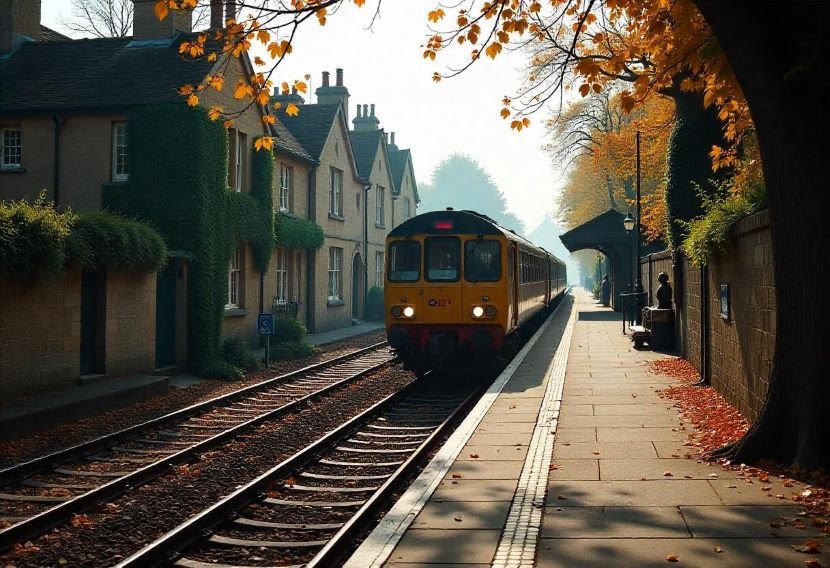

Commuters between London and Essex had never seen a change as radical as this in a long time. c2c, with its record of punctual trains and scenic journeys along the Thames, was transferred from operator Trenitalia to the Government on 20 July 2025 and is now being operated by the Department for Transport’s Operator of Last Resort (DfT Operator).
In real terms, the trains you catch from Fenchurch Street to Ockendon, Grays or Southend are no longer run by Trenitalia. The schedule, crews and branding are in flux, however your ticket is still good and the fare has not changed despite the takeover.
Still, passengers suspect more than a simple handover: this change is part of a wider shake-up intended, eventually, to rebrand the network as Great British Railways (GBR), a new public body created with the sole role to bring infrastructure, timetable planning, fares, station management and train services under one roof.
What Led Up to the c2c Transfer?
This shift didn’t happen overnight. Here’s how the story unfolded:
- May 2024: Labour committed to nationalising all England’s franchised passenger rail services by 2029.
- November 2024: Parliament passed the Passenger Railway Services (Public Ownership) Act, enabling phased takeovers when current franchise agreements expire.
- 25 May 2025: South Western Railway (SWR) became the first service to transfer, with GBR-branded trains quietly entering service in the following weeks.
- 20 July 2025: c2c—formerly run by Trenitalia since 2017 and boasting an 89% passenger satisfaction score—was brought into public control.
- 12 October 2025 (planned): Greater Anglia will follow this, signalling another major step in the transition.
- By late 2027: All franchised services are scheduled to have been absorbed by DfT Operator ahead of GBR taking full responsibility.
Why is the Government Taking Over?
Labour ministers have framed this wave of nationalisation as a response to a rail network weakened by fragmentation, cost escalation, and inconsistent service delivery.
Transport Secretary Heidi Alexander pointed to stretched performance across the system and argued that a single, professional-led public body would be more agile and passenger-focused—unlike the monolithic civil-servant-led structures of the past.
A high-level forecast suggests that £150 million in duplicative costs could be saved each year by grouping track and train under one organisation. However, it also warns of potential job losses—especially in back-office functions. Labour hopes to redeploy staff where possible and reshape roles to better serve passengers.
What Does ‘Public Ownership’ Mean for You?
- Your Ticket is Still Valid
Tickets held before the handover remain honoured, with no changes to fare prices owing to the transfer. - Fares Won’t Plummet Immediately
Ministers have poured cold water on hopes of steep fare cuts. The rail network already costs £2 billion a year to subsidise, and fare adjustments follow inflation metrics—a hike above 3.5% is a growing concern. - Service Quality May Improve
GBR aims to tackle fragmented timetables and poor reliability. C2C’s satisfaction ranking—89%—puts it among the best nationally, but pockets of concern remain. Government hopes tighter control over rolling stock and scheduling will yield smoother operations. - Staff Are Staying, For Now
Existing train drivers, stations staff and engineers have been retained as c2c transitions into public hands. GBR’s remit allows them to keep employment terms intact while absorbing talent across the sector. - No Bigger Bureaucracy
Alexander committed to a lean, professionally led model for GBR—not a return to the bureaucracy akin to 1970s British Rail.
What About the Future: Greater Anglia & Beyond
Next in England of the franchised operators will be Greater Anglia, from Liverpool Street to Norwich, Colchester, Chelmsford, Cambridge and also services which run further afield, on 12th October 2025, when it joins its fellow DfT Opeartor.
That season will then come and go: after each of the major commuter lines, such as c2c and SWR, are brought in, transfers will still be taking place approximately every three months right through to the last of them by the end of 2027.
In the end, GBR is supposed to subsume infrastructure, timetable planning, rolling-stock management, fares policy and station management, in other words, to entirely reunify the rail system for England, and partly for Scotland and Wales.
Risks and Challenges Ahead
- Job Cuts: Back-office consolidation may result in staff redundancies. Union leaders have already warned thousands of job roles will be affected; ministers say they’ll prioritise redeployment.
- Fare Pressures: Labour has ruled out immediate price cuts, acknowledging continous price rise pressures and the need for financial sustainability.
- Past Caution: Critics point to mixed results under past public ownership. A Financial Times analysis notes nationalised periods have not always equated to punctuality gains
- GBR Rollout Delays: While the shadow GBR body is in place, formal establishment is not expected until late 2026 or beyond.
What Passengers Can Do Now
- Stay Informed: Watch for updates when Greater Anglia shifts in October, and every transfer thereafter.
- Plan Ahead: Look at current timetables and check for service changes, DFT Operator will soon update digital information streams.
- Share Feedback: With GBR aiming to realign services to passenger needs, traveller input on punctuality, cleanliness and comfort carries more weight than ever.
A Personal Note: Looking Ahead
For passengers who’ve traveled in from Fenchurch Street or beyond to Shoeburyness or Westcliff, this is more than institutional change — it’s a step toward smoother journeys, toward fewer delays and toward a feeling that your journey matters to the people who make the decisions. The traditional “we apologise for any inconvenience” through station tannoys announcements might soon come with a little bit more responsibility and rather less confusion.
Look out for even greater reliability, improved station maintenance and possibly additions to the network through the ‘Autumn switch clocking-on’ at Greater Anglia.
Bringing It All Together
| Aspect | Before | After (Public Ownership) |
|---|---|---|
| Operator | Trenitalia (c2c); private companies elsewhere | DfT Operator; moving toward GBR |
| Ticket validity | Standard under private operator | All existing tickets honored; no disruption |
| Fare changes | Inflation-linked increases annual | No fare drop, but no default increase due to transfer |
| Passenger satisfaction | High for c2c (89%) | Government aiming to raise across the network |
| Governance | Private firms, franchises, oversight | Centralised structure via GBR, professionally-led |
Looking Ahead
- October 12, 2025: Greater Anglia transfers under public control.
- Late 2026 – 2027: Shadow GBR becomes fully operational, absorbing track and train separation.
- Late 2027: Final transfer of all remaining franchised passenger services, creating a unified national rail network.
Final Thoughts
Change on the rails has arrived. Whether it translates into the smooth, efficient, affordable journeys that commuters crave depends on how well public ownership balances service improvement, staff retention, financial discipline and passenger advocacy. For those stepping onto a C2C train on Monday morning, this isn’t just a change in the operator—it’s a signal that the railway your journey depends on may finally have a one‑team approach.
The post Now, London–Essex c2c Service, Labour Government Brings Into Public Hands: Here Is What You Want To Know appeared first on Travel And Tour World.