United Airlines Reshapes Summer Travel: Fewer Flights, New Focus On High Demand Destinations For U.S. Travelers: What You Need To Know
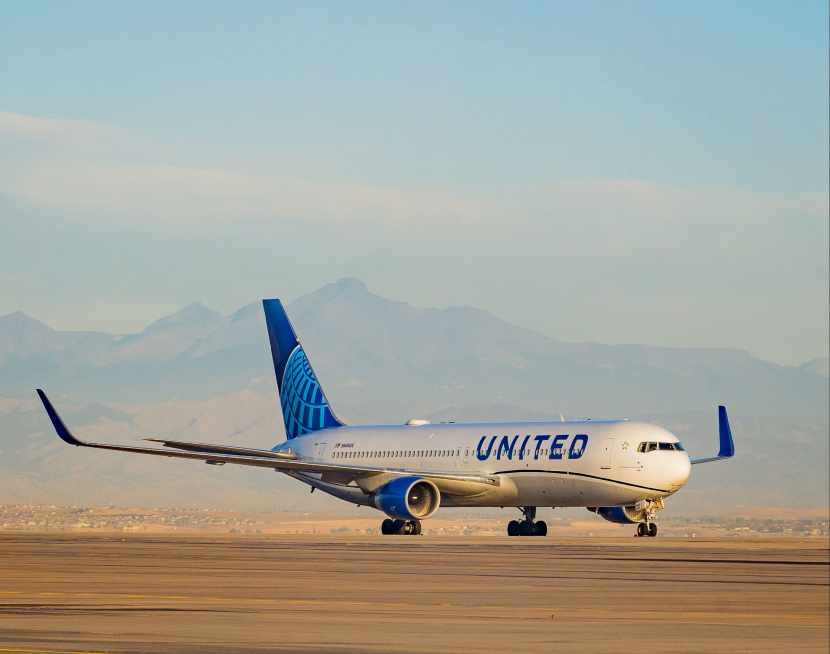

Image Credit: www.united.com
As the travel industry continues to adjust to fluctuating demand, United Airlines has made the decision to reduce its domestic flight capacity by up to 4% through the third quarter of 2025. This reduction, which will impact flights between July and September, follows the airline’s recent earnings report, which showed a modest increase in revenue but a less optimistic outlook for the remainder of the year.
In light of weaker-than-expected demand, especially from price-sensitive travelers, United Airlines is adjusting its operations to focus on more profitable routes and times. This is a strategic move to align the airline’s capacity with the changing dynamics of travel demand, as consumers continue to be cautious about discretionary spending due to inflation and economic uncertainties.
For travelers, these changes mean that certain flights, particularly those during off-peak hours, will be canceled. While United has not disclosed specific airports or routes that will be affected, it is expected that smaller airports with lower traffic volumes will see the most reductions. This news comes amid broader changes in the airline industry, with other major carriers, including American Airlines, Southwest, and JetBlue, also making adjustments to their flight schedules in response to the current economic climate.
United Airlines’ Revenue Growth and Adjusted Expectations
United Airlines’ second-quarter earnings for 2025 reported a 1.7% year-over-year increase in revenue, totaling $15.24 billion. While this increase is positive, it fell slightly short of analysts’ expectations, which had forecasted $15.35 billion. Despite this, the airline expressed confidence in its ability to finish the year strong, projecting earnings between $9 and $11 per share for the full year, a decrease from earlier estimates of $11.50 to $13.50 per share.
CEO Scott Kirby highlighted that the airline’s outlook for the second half of the year is more optimistic than it was in the first quarter, driven by improved visibility and confidence in stronger travel demand as the year progresses. Kirby attributed the weaker-than-expected first-quarter performance to softer demand from budget-conscious consumers who are more hesitant to travel amid ongoing inflation and economic uncertainty. While the overall mood at United Airlines is cautiously optimistic, the airline’s decision to reduce domestic flights reflects the realities of the current market conditions.
Impact on Domestic Flights and the Airline’s Strategy
The decision to cut 4% of United Airlines’ domestic flight capacity is a response to decreased demand, particularly on off-peak flights. This reduction will mostly affect flights during early mornings, late evenings, and weekdays, rather than the more popular weekend flights. Additionally, smaller airports with lower passenger traffic are likely to experience the largest service reductions, as these routes often struggle to remain profitable during times of low demand.
For passengers, this means that some flights they were relying on may be canceled, especially those flying during non-peak hours or from smaller regional airports. While this reduction in flight capacity is not unprecedented, it underscores the ongoing challenges faced by the airline industry as it navigates the economic uncertainties of 2025. Travelers should be prepared for potential disruptions, especially if they have booked flights during times typically impacted by capacity cuts.
In addition to these changes, United Airlines has emphasized its focus on more profitable routes and times. As part of its broader strategy, the airline is prioritizing higher-demand flights and destinations, which could lead to more frequent cancellations or reductions in service on certain routes that historically struggle with lower occupancy.
Industry-Wide Changes: United Airlines Isn’t Alone in Reducing Flight Capacity
United Airlines’ move to reduce its domestic flight capacity is part of a broader trend in the airline industry, where several major carriers have made similar adjustments in response to changing travel patterns and consumer behavior. American Airlines, for instance, has cut hundreds of flights from its schedule, particularly from Chicago O’Hare to destinations like Dallas/Fort Worth, Wilmington, and El Paso International Airport. These cuts were announced earlier this year, highlighting the growing trend of airlines scaling back their operations.
Similarly, Southwest Airlines has reduced its flight capacity for the summer months, canceling hundreds of flights to destinations like San Jose, San Diego, and Portland. Even JetBlue has made the decision to cease operations to Miami Airport entirely. These moves, though concerning for passengers, reflect the airlines’ efforts to align their flight schedules with market realities. Price-conscious consumers have shown reduced eagerness to travel, with many avoiding expensive or unnecessary trips due to ongoing inflation, rising travel costs, and concerns about economic stability.
The reduction in flights across multiple carriers signals that the airline industry is adjusting to a shift in consumer behavior, where discretionary spending on travel is becoming more selective. With many travelers seeking more affordable options, airlines are adapting their strategies to focus on the routes and times that generate the most demand.
What Travelers Can Expect and How to Prepare
For those planning to travel with United Airlines this summer, it’s important to be aware of potential disruptions in flight schedules. Travelers should double-check their bookings to ensure their flights are not impacted by the capacity cuts. In addition, passengers should be prepared for the possibility of changes to flight times or cancellations, particularly if they are flying during off-peak hours or from smaller airports.
United Airlines has encouraged travelers to stay flexible and make alternative arrangements if their flights are canceled or changed. The airline’s customer service teams are available to assist with rebooking or providing other options. Additionally, it’s always a good idea to sign up for flight notifications and alerts to stay updated on any changes to flight schedules.
While the reduction in flight capacity may seem like a step backward for the airline, it is ultimately a strategic move to ensure that United Airlines remains financially stable and responsive to market conditions. By focusing on profitable routes and maintaining flexibility in its operations, United Airlines is positioning itself to better serve customers in the long term.
Conclusion: Navigating the Changing Landscape of Air Travel
United Airlines’ decision to cut 4% of its domestic flights highlights the ongoing challenges faced by the airline industry in 2025. As demand for air travel fluctuates and consumers become more price-sensitive, airlines are making necessary adjustments to align with the current economic climate. For travelers, this means being proactive in checking flight schedules and being prepared for potential disruptions.
Despite the adjustments to its flight schedule, United Airlines remains optimistic about its prospects for the remainder of the year. With a strategic focus on high-demand routes and times, the airline aims to weather the current economic uncertainty and continue to provide valuable service to its passengers. By staying flexible and informed, travelers can navigate these changes and ensure their summer trips go as smoothly as possible.
The post United Airlines Reshapes Summer Travel: Fewer Flights, New Focus On High Demand Destinations For U.S. Travelers: What You Need To Know appeared first on Travel And Tour World.