Singapore to Revolutionize Border Security in 2026 with No-Boarding Directives Aimed at Blocking High-Risk Travelers from Boarding Flights and Ships
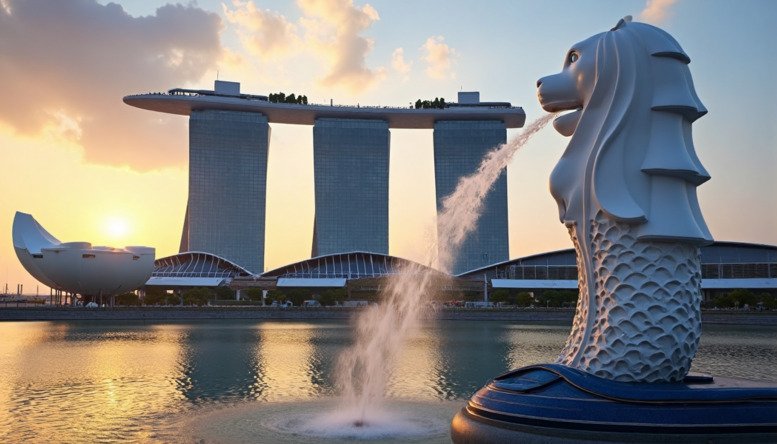

In 2026, Singapore is set to transform its border security with the introduction of No-Boarding Directives (NBDs), a groundbreaking measure designed to prevent high-risk travelers from boarding flights or ships bound for the country. This bold move, aimed at enhancing public safety and national security, will empower immigration authorities to block individuals deemed to pose a health, security, or immigration risk before they even reach Singapore’s shores. With NBDs, the country is taking proactive steps to strengthen its border management and safeguard its citizens.
Singapore’s New No-Boarding Measures to Enhance Border Security Starting in 2026
Starting in 2026, Singapore is taking a bold step toward strengthening its border security with the introduction of No-Boarding Directives (NBDs), a measure designed to prevent high-risk travelers from boarding flights or ships bound for the country. The new approach, along with enhanced biometric screening and stricter immigration regulations, is set to revolutionize the way Singapore manages its borders and ensures the safety of its citizens. Here’s a closer look at what these changes entail and how they will affect travelers.
The No-Boarding Directives: What You Need to Know
The No-Boarding Directives are part of a broader initiative to tighten security measures and prevent high-risk individuals from entering Singapore. The directive will allow immigration authorities to halt the departure of individuals deemed a threat to public health, national security, or immigration integrity even before they set foot on a plane or ship. If airlines or shipping companies fail to comply with these directives, they could face significant fines, up to SGD 10,000 per violation.
The No-Boarding Directives are scheduled to take effect for airlines starting in 2026, while shipping companies will have to comply by 2028. This ambitious move comes on the heels of the Immigration (Amendment) Act, which was passed in December 2024 to update and strengthen Singapore’s immigration policies.
Although land-based crossings—such as those from Malaysia via private vehicles or buses—are not currently subject to the No-Boarding Directives, the Immigration & Checkpoints Authority (ICA) is exploring ways to extend similar pre-screening measures to land routes in the future.
Enhanced Screening and Rejection of High-Risk Travelers
One of the driving forces behind these new measures is the ICA’s increasing ability to identify and reject high-risk travelers. In the first half of 2025 alone, the number of foreign visitors rejected entry increased by a staggering 43% compared to the same period in 2024. This rise in rejections is not just coincidental but a direct result of the ICA’s efforts to boost border security by leveraging advanced tools for detection.
Travelers who are most likely to be flagged under the No-Boarding Directives include individuals who:
- Have been previously deported or banned from entry due to criminal offenses
- Pose a public health or national security risk
- Are linked to extremist groups or organized crime
These travelers will be identified through a combination of predictive security measures, data analysis, and biometric profiling, making it increasingly difficult for high-risk individuals to slip through the cracks.
The Challenge of Rising Traveler Numbers
As Singapore continues to grow as a global hub, the volume of travelers passing through its borders is steadily increasing. In 2024, Singapore welcomed 230 million visitors—a sharp rise from 197 million in 2015. This surge in traffic is expected to continue, fueled by major infrastructure projects that are either underway or planned for the future:
- The Johor Bahru–Singapore Rapid Transit System (RTS), scheduled to open by December 2026
- The expansion of Changi Airport Terminal 5, set for completion in the mid-2030s
- The planned expansion of the Woodlands Checkpoint, expected to take 10–15 years to complete
With these increased numbers, the ICA faces the challenge of maintaining security without significantly expanding its workforce. To overcome this, the ICA is turning to technology—specifically, biometric systems that allow for smarter, more efficient security screening.
The Future of Passport-Free Travel in Singapore
A key feature of Singapore’s evolving immigration process is its transition to passport-free travel. With the New Clearance Concept, which became fully operational in 2019, travelers can now clear immigration using biometric data rather than physical passports. This process uses facial recognition or iris scans at air and sea checkpoints, while land checkpoints currently use QR codes.
By mid-2025, it is projected that 93 million travelers will have passed through Singapore’s immigration system without presenting a passport. This number will continue to grow, as more travelers benefit from faster, more secure processing. The shift toward biometric clearance is part of Singapore’s broader goal of making travel as seamless as possible while still ensuring the country’s safety.
Closing the Gap on Land-Based Travel
One area where Singapore is still working to improve security is in land-based travel. Historically, travelers arriving via buses, private vehicles, or other ground transportation have faced less rigorous screening compared to those arriving by air or sea. Transport providers have not been required to share passenger data in advance, which has left a gap in security.
To address this, the ICA is looking into ways to extend no-boarding-style oversight to land routes. This may involve collecting more detailed data from transport providers and implementing additional surveillance measures to screen travelers entering Singapore via road.
A Smarter Border System for Safer Travel
Ultimately, Singapore’s new border security measures are not about creating a physical barrier between the country and the world. Instead, the country is investing in a smarter, more adaptable system that prioritizes early intervention, enhanced screening, and efficient processing for legitimate travelers.
For those who meet the entry requirements, these changes will lead to faster, more efficient processing with fewer physical checks. However, for those flagged as high-risk, the new measures will prevent them from boarding a flight or ship to Singapore, ensuring the country remains a safe and secure place for all its residents and visitors.
Starting in 2026, Singapore will implement No-Boarding Directives (NBDs) to block high-risk travelers from boarding flights or ships bound for the country. This measure is designed to enhance border security by preventing individuals deemed a risk to public safety from reaching Singapore. The NBDs will play a key role in safeguarding citizens and streamlining immigration control.
As Singapore enters this new phase of border security, the changes are expected to make the immigration process smoother for most travelers, while maintaining a heightened sense of safety and security for the nation.
The post Singapore to Revolutionize Border Security in 2026 with No-Boarding Directives Aimed at Blocking High-Risk Travelers from Boarding Flights and Ships appeared first on Travel And Tour World.