Fergana Valley: Discover The Hidden Cultural Gem of Uzbekistan
Fergana Valley: Discover The Hidden Cultural Gem of Uzbekistan

The Fergana Valley, nestled in eastern Uzbekistan, is a lush and culturally rich region that continues to captivate travelers seeking an authentic experience. Although many tourists flock to Uzbekistan’s more famous cities, such as Samarkand, Bukhara, and Tashkent, the Fergana Valley remains one of the country’s best-kept secrets. Surrounded by the majestic Tien Shan and Alay mountain ranges, this fertile valley, famous for its centuries-old traditions in ikat textiles, ceramics, and fruit production, is now drawing more attention from tourists looking to explore its deeply rooted cultural heritage and natural beauty.
The region is home to vibrant markets, rich craftsmanship, and some of the world’s sweetest fruit, making it an ideal destination for tourists eager to experience a less commercialized, more authentic side of Uzbekistan. As Uzbekistan focuses on increasing its tourism offerings, the Fergana Valley’s potential to become a major cultural hub is becoming clear. The region offers a blend of scenic landscapes, ancient traditions, and hands-on experiences that attract both adventure travelers and those seeking cultural immersion.
A Crafting Tradition That Defines Fergana’s Cultural Identity
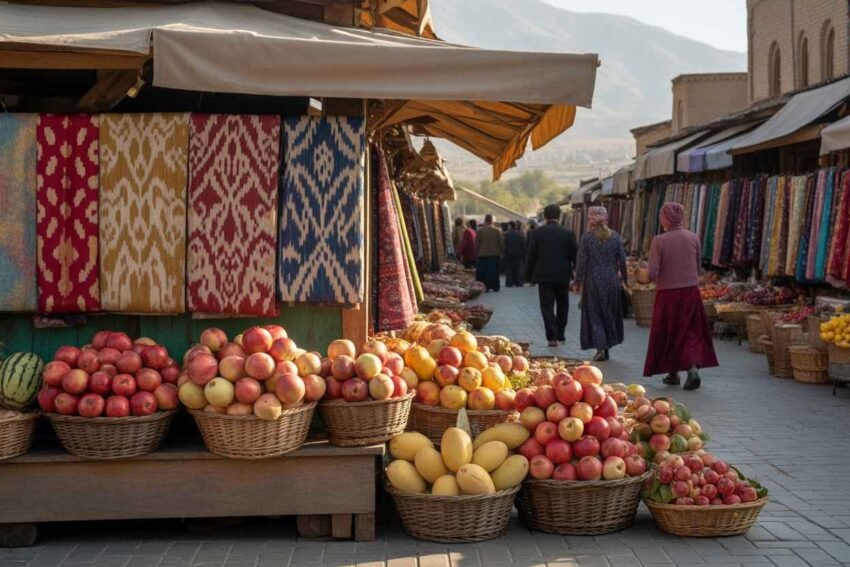
The Fergana Valley has long been a center for textile and ceramic production, with its history dating back over a thousand years. In Margilan, the birthplace of Uzbekistan’s iconic ikat, travelers can witness the ancient art of silk weaving that has been passed down through generations. Ikat textiles, made from hand-dyed silk threads, are still crafted by artisans using traditional methods. The result is intricate patterns and designs that are featured in everything from headscarves to contemporary fashion. This ancient weaving tradition is one of the primary reasons why the Fergana Valley is often considered the heart of Uzbekistan’s cultural heritage.
In Rishtan, another city in the valley, the production of pottery is another significant part of the region’s identity. Known for its signature blue-and-white ceramics, Rishtan pottery is used across the country in households, restaurants, and shops. Visitors to these cities can explore pottery workshops, where they can watch local artisans mold and paint clay into stunning works of art, reflecting the cultural richness of the region.
The Fruits of Fergana Valley: A Culinary Delight for Travelers
The fertile soil of the Fergana Valley is ideal for cultivating a variety of fruits, which have become an integral part of Uzbek cuisine and hospitality. The valley is particularly famous for its apricots, strawberries, grapes, and pomegranates, which are known for their exceptional sweetness and flavor. The fresh produce from the Fergana Valley is not only enjoyed locally but is also exported across Central Asia.
For food-loving travelers, the valley provides a unique opportunity to sample fresh fruit at local markets, where vendors offer a wide range of produce. Visitors can witness how these fruits are harvested, dried, and incorporated into Uzbek dishes such as plov, a traditional rice dish often cooked with fruits like raisins, apricots, and pomegranates. The region’s markets are vibrant and bustling, providing visitors with an authentic taste of Uzbekistan’s agricultural bounty and culinary traditions.
A Growing Hub for Cultural Exploration
Despite being less well-known than Uzbekistan’s major tourist cities, the Fergana Valley has become a growing attraction for tourists who seek an immersive experience in Uzbekistani culture. The valley is less commercialized than other parts of the country, allowing visitors to experience a more genuine and untouched side of Uzbekistan. The valley’s rich cultural traditions and stunning natural beauty make it a prime destination for cultural and adventure tourism.
One of the key aspects of tourism in the Fergana Valley is the ability to engage with local communities and witness traditional crafts firsthand. Visitors can participate in weaving or pottery workshops, learn about the history of silk production, and explore the landscapes that have inspired generations of artisans. This hands-on experience offers tourists a deeper understanding of the region’s culture and provides an authentic way to connect with the local people.
The Future of Tourism in Fergana Valley
As tourism in Uzbekistan continues to grow, the Fergana Valley is poised to play a larger role in the country’s tourism industry. With its rich history, cultural significance, and natural beauty, the region offers an ideal destination for travelers looking for an off-the-beaten-path experience. The Fergana Valley’s cultural offerings, such as its ikat weaving and Rishtan pottery, combined with the welcoming hospitality of the Uzbek people, make it a must-visit for tourists looking to explore the deeper roots of Central Asian culture.
With increased attention on the valley’s tourism potential, it is expected that more infrastructure will be developed, making it even more accessible to travelers. Whether you’re exploring its vibrant markets, tasting its world-renowned fruits, or learning about the centuries-old craftsmanship, the Fergana Valley promises to offer a rich, authentic experience for travelers seeking to immerse themselves in Uzbekistan’s cultural heritage.
A Hidden Gem for Cultural and Culinary Travelers
The Fergana Valley offers an experience unlike any other in Uzbekistan, combining rich cultural heritage, exceptional craftsmanship, and world-class produce. As tourism continues to grow in the region, travelers can look forward to exploring this hidden gem in Central Asia. Whether you’re a fan of traditional textiles, passionate about local cuisine, or simply seeking a deeper understanding of Uzbekistan’s culture, the Fergana Valley is the perfect destination to discover the soul of the country.
The post Fergana Valley: Discover The Hidden Cultural Gem of Uzbekistan appeared first on Travel And Tour World.