Travel Turmoil Hits Over One Hundred Fifty Airports Across Canada as Air Canada Protest Grounds Flights, Disrupting Trips Across Americas, Europe, Asia, and Middle East, Dealing a Massive Blow To the Tourism Sector
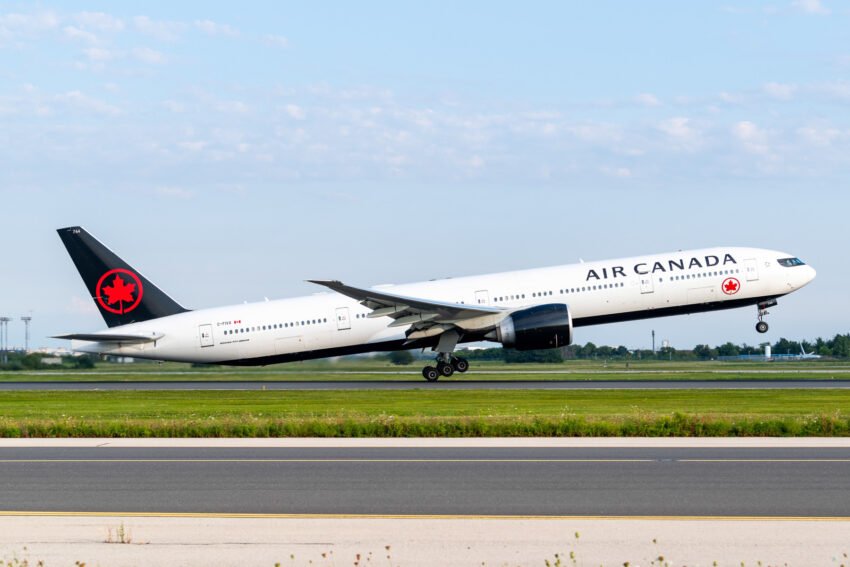

A massive labor protest by Air Canada flight attendants has caused widespread disruptions, grounding flights at over one hundred fifty airports across Canada, and severely impacting travel across the Americas, Europe, Asia, and the Middle East. With over seven hundred flights grounded daily, the airline’s operations have come to a halt, affecting international connections and domestic travel. This protest has not only stranded thousands of passengers but also disrupted routes for global airline partners such as Lufthansa, United Airlines, and Singapore Airlines. The ongoing turmoil has forced travelers to scramble for alternative flights, causing higher fares and longer delays, particularly for business and budget travelers. As tourism in Canada relies heavily on international visitors, this massive disruption is expected to result in a sharp decline in tourism revenue, leaving the tourism sector facing a serious financial blow.
Air Canada Flights Grounded: Over Three Hundred Ninety Cancellations and Counting
The protest, which began on August sixteen (today), has disrupted Air Canada’s operations, grounding an estimated seven hundred daily flights. As of now, over three hundred ninety flights (around sixty three percent of the airline’s usual daily schedule) have been canceled, impacting travelers across Canada and beyond. The full extent of the disruption is expected to reach hundred percent of its flight cancellations, as the protest escalates, creating massive chaos during the peak summer travel season.
Air Canada’s codeshare partnerships with international airlines, including United Airlines, Lufthansa, Singapore Airlines, Turkish Airlines, and Emirates, have compounded the situation. Travelers connecting through Air Canada’s major hubs—Toronto Pearson International, Vancouver International, and Montreal Pierre Elliott Trudeau International—are facing delays and cancellations, with limited rebooking options available.
CUPE Urges Minister to Reject Air Canada’s Request for Intervention and Resume Good Faith Bargaining
The Air Canada Component of CUPE has urged Employment Minister Patty Hajdu not to intervene under section 107 of the Canada Labour Code, allowing for continued collective bargaining. The union emphasizes that the integrity of the process relies on free and fair negotiations, without undue interference. However, Air Canada has suspended meaningful talks, anticipating government intervention, and failed to engage in good faith bargaining despite the union’s revised wage proposals.
Last Monday, August Eleven the union submitted a new wage proposal, which included a significant concession, withdrawing its previous demand for the same wage increase given to pilots. Yet, Air Canada did not respond or make a counter-proposal. This Tuesday August Twelve the union made further adjustments, but Air Canada declared an impasse and unilaterally withdrew from the bargaining table. The company also sought ministerial intervention, leading the union to issue notice of a strike Today, August Sixteen.
The union argues that Air Canada should return to the table to resume negotiations, and the request for ministerial intervention should be rejected. Allowing such intervention would undermine the principles of free collective bargaining and further disrupt the ongoing negotiations.
Air Canada Strike Drives Major Disruptions and Price Increases
The ongoing Air Canada protest, driven by labor disputes over wages and working conditions, has caused major disruptions, particularly on high-demand routes to the UK, France, and Japan. As Air Canada grounds flights, thousands of passengers have been left stranded, prompting many to seek alternative airlines like Lufthansa, Air France, and British Airways. This sudden surge in demand has resulted in soaring flight prices, with some fares increasing by over seventy percent. Budget travelers and business professionals are feeling the pinch, as the increased fares due to limited seat availability have pushed air travel costs to new heights.
Key Hubs Impacted by Air Canada Flight Disruptions
The major Canadian airports heavily impacted by the ongoing flight cancellations are:
- Toronto Pearson International Airport: As Canada’s busiest airport, Toronto Pearson is experiencing extensive flight disruptions, particularly affecting international routes to Europe, Asia, and the U.S. Key destinations like London, New York, Paris, Frankfurt, and Los Angeles are experiencing significant cancellations.
- Vancouver International Airport: The West Coast hub is severely impacted, with cancellations on high-demand routes to destinations like Tokyo, Beijing, and San Francisco, as well as popular domestic routes within Canada.
- Montreal Pierre Elliott Trudeau International Airport: Montreal’s international routes to Paris, Frankfurt, and New York are among those most affected, creating challenges for European and North American travelers alike.
Air Canada: A Key Player in Global Aviation
Air Canada, Canada’s largest airline and the country’s flag carrier, is a founding member of Star Alliance, the world’s most comprehensive air transportation network. With an expansive reach, Air Canada offers scheduled services to more than One Hundred Eighty airports across Canada, the United States, and internationally on six continents. This extensive network positions the airline as a significant global player, connecting passengers to key destinations worldwide.
The airline holds a prestigious Four-Star ranking from Skytrax, reflecting its commitment to offering a high standard of service. In addition to its passenger flights, Air Canada operates a strong freight division, Air Canada Cargo, which provides air freight lift and connectivity to hundreds of destinations worldwide. This division supports the global supply chain, ensuring goods reach their destinations efficiently.
Air Canada’s Aeroplan program stands as Canada’s premier travel loyalty program, allowing members to earn and redeem points across an extensive network of forty five airline partners, plus a wide range of merchandise, hotel stays, and car rental services. The program enhances the travel experience for frequent flyers by offering valuable rewards and seamless travel options.
Through Air Canada Vacations, the airline provides more travel choices than any other Canadian tour operator, offering a wide selection of hotels, flights, cruises, day tours, and car rentals to destinations around the globe. This division helps travelers customize their trips, ensuring they have access to a diverse range of vacation options.
With a focus on sustainability, Air Canada has set an ambitious long-term goal of achieving net-zero greenhouse gas emissions by 2050. This climate-related ambition aligns with the airline’s commitment to reducing its environmental footprint while continuing to deliver excellent service to its global customer base.
Air Canada is publicly traded on both the TSX in Canada and the OTCQX in the U.S., solidifying its position as a leading global airline. Despite the ongoing labor unrest and flight disruptions, the airline remains a cornerstone of Canada’s transportation and tourism sectors.
This massive disruption is not only affecting Air Canada’s operations but also sending ripples through the international travel ecosystem, underscoring the airline’s critical role in global aviation and tourism.
Widespread Travel Disruptions Across Canada
The protest’s impact extends beyond just the main hubs. Calgary, Edmonton, Ottawa, and Quebec City are also experiencing substantial reductions in flight activity. Popular domestic routes, such as Calgary to Vancouver, Ottawa to Toronto, and Edmonton to Vancouver, have been impacted, leaving business and leisure travelers alike in limbo.
A Massive Blow to Canada’s Tourism Industry
The tourism industry in Canada is suffering greatly as a result of the ongoing Air Canada protest. As Air Canada is one of the primary carriers for international tourists, the current disruptions are causing huge financial losses. The airline’s international network is a vital link for travelers to Canada’s key destinations, including British Columbia, Quebec, and Ontario. Tourism revenue from these regions is expected to see a significant decline as tourists face cancellations, delays, and difficulty rebooking their flights.
Tourism revenue is expected to see a sharp decline as tourists face increasing difficulties with flight cancellations, delays, and limited rebooking options. Tourism in Canada has already seen a five to ten percent decline in visitor numbers for the summer months, with losses mounting as the strike continues. According to the Tourism Industry Association of Canada (TIAC), the sector contributes over USD one hundred four billion to the national economy each year, and the current disruption could lead to a further fifteen percent drop in tourism revenue over the next few weeks.
In addition, business travel is taking a hit, with many professionals unable to reach critical meetings, conferences, and trade events. For leisure travelers, the inconvenience of delayed flights and cancellations is leading to frustration, particularly for families who had planned vacations and visits to relatives in Canada.
The Labor Dispute Behind the Protest
At the heart of this flight disruption is a labor dispute between Air Canada and CUPE. The union, which represents over ten thousand flight attendants, claims that Air Canada flight attendants are working under unfair conditions that include poverty wages and unpaid labor for tasks performed during boarding and standby duties. Despite Air Canada’s offer of a thirty eight pay increase over the next four years, including enhanced benefits and pensions, CUPE has rejected binding arbitration, seeking a contract that its members can vote on.
The Impact on Global Travel
With Air Canada being a founding member of Star Alliance, the flight disruptions are not limited to the airline itself. Partner airlines such as United Airlines, Lufthansa, Singapore Airlines, Turkish Airlines, and Emirates are also feeling the ripple effects, as their operations rely on Air Canada’s hubs and flight connections. Travelers connecting through Toronto, Vancouver, and Montreal are facing severe delays and limited rebooking options.
As a result, the global travel community is experiencing widespread disruptions. Summer tourism—already at its peak—is now in jeopardy, with travelers facing the risk of being stranded, especially during the high-demand summer months.
How Air Canada is Addressing the Disruption
Air Canada is taking steps to mitigate the impact on affected passengers, advising them not to go to the airport unless they have a confirmed seat on an operational flight. The airline is also offering flexibility with rebooking options and future travel credits for those whose flights have been canceled. However, as the protest intensifies, there is growing concern about the ability to secure alternative routes on other airlines.
What Travelers Should Know
Travelers are urged to:
- Monitor flight statuses regularly for cancellations and changes.
- Avoid going to the airport unless they have a confirmed booking.
- Consider rebooking flights with partner airlines within the Star Alliance network.
- Be prepared for long delays at major airports, especially in Toronto, Vancouver, and Montreal.
With the ongoing labor dispute showing no sign of resolution, Air Canada’s flight operations will likely remain grounded for the foreseeable future. The global travel disruption continues to affect travelers, leading to significant challenges for both business and leisure tourism.
A labor protest by Air Canada flight attendants has grounded flights at over one hundred fifty airports across Canada, severely disrupting travel to and from the Americas, Europe, Asia, and the Middle East. This widespread disruption, which has left thousands of passengers stranded, is dealing a massive blow to Canada’s tourism sector, causing significant financial losses due to canceled flights, delays, and limited rebooking options.
The Long Road to Recovery
As the Air Canada protest continues to unfold, it is clear that this flight disruption is one of the most significant in recent years. The impacts on Canada’s tourism and the global travel network will be felt for some time, as millions of passengers are left stranded. Travelers should stay updated on their flight status and be prepared for delays, cancellations, and limited rebooking options. With no end in sight, the industry watches closely, hoping for a swift resolution to this labor dispute, which continues to affect air travel across Canada, the Americas, Europe, Asia, and the Middle East.
The post Travel Turmoil Hits Over One Hundred Fifty Airports Across Canada as Air Canada Protest Grounds Flights, Disrupting Trips Across Americas, Europe, Asia, and Middle East, Dealing a Massive Blow To the Tourism Sector appeared first on Travel And Tour World.