Addressing Overcrowding and Environmental Damage at Putāruru Blue Spring in New Zealand, Everything You Need to Know
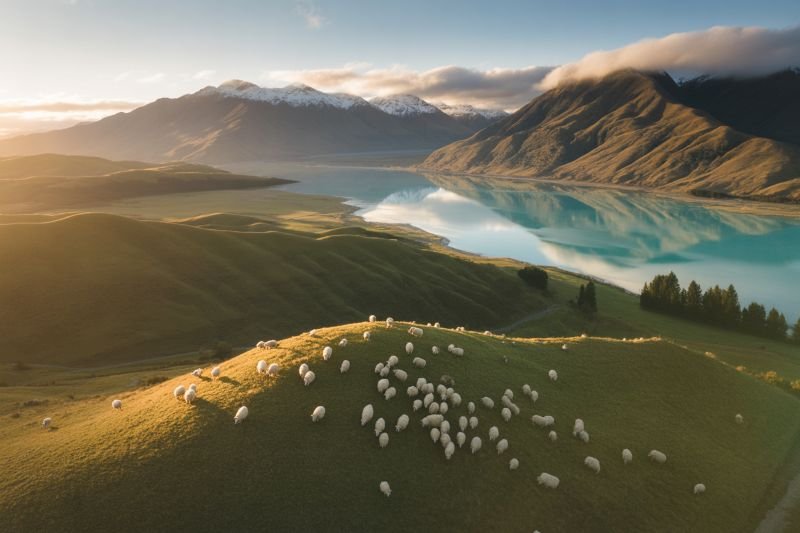

The stunning Putaruru Blue Spring in New Zealand’s South Waikato region has gradually turned into a famous tourist spot as it attracts a huge number of visitors every year. Recently, there have been reports of growing worries among residents and officials about the impact caused due to an influx of visitors at this site. Residents and officials have now begun analyzing ways to deal with this growing number of visitors and prevent adverse effects at this natural spot.
Rising Concerns About Tourist Behavior at Putāruru Blue Spring
Waikato Regional Council chairperson Warren Maher recently raised alarm over the state of the Putāruru Blue Spring, which he said was being increasingly “trashed” by visitors. Maher pointed out that tourists were misusing the composting toilets, clogging them with rubbish, throwing coins into the spring, and parking unsafely on the roadside. These actions not only disrupt the pristine environment but also pose safety risks to both tourists and locals.
Maher emphasized the need for stronger management and maintenance measures to ensure that the site remains accessible and enjoyable for everyone. His comments reflect growing concerns from local residents, environmentalists, and local government officials about the broader issue of overtourism and its consequences on New Zealand’s natural attractions.
Tourism Minister Responds: A Balance Between Tourism and Preservation
Tourism Minister Louise Upston responded to Maher’s concerns by acknowledging the importance of maintaining the balance between welcoming tourists and protecting the environment. Upston mentioned that she had visited the Blue Spring earlier in the week and had seen, in general, responsible behavior among the visitors. However, she also recognized that there were challenges, particularly with managing peak visitor periods.
She shared that businesses in the surrounding areas had expressed positivity about the influx of tourists, noting the economic benefits brought by increased spending. “Businesses are really happy with the boost in visitor numbers, but we also need to ensure that the natural environment is protected,” Upston said during an interview with Morning Report.
Upston’s comments suggest that while tourism brings economic opportunities to the district, it is essential to manage visitor behavior and prevent damage to sites like the Blue Spring. Her statement also points to the need for long-term planning to ensure that tourism remains sustainable without compromising the natural beauty that attracts visitors in the first place.
Potential Solutions: Park-and-Ride, Visitor Levy, and Access Charges
In response to the growing pressures on the Blue Spring, Upston mentioned a potential park-and-ride scheme as a solution to reduce congestion and mitigate safety risks. The South Waikato District Mayor is reportedly considering the introduction of such a system, where visitors would park in designated areas and take shuttle buses to the site. This option could help alleviate the issues of dangerous roadside parking and reduce the environmental footprint of vehicles.
Upston also highlighted the possibility of utilizing the International Visitor Levy (IVL) to fund maintenance and conservation efforts at popular tourist spots. The IVL, which is paid by international visitors to New Zealand, could be a key funding source for councils to address the challenges of managing tourist hotspots. Upston confirmed that some of this funding had already been allocated to support maintenance efforts in popular areas, but further resources may be needed to tackle ongoing concerns.
“We have funding available, including the International Visitor Levy, and some of the tourism funding has already been spent on hotspots,” she explained. “The majority of this financial year has been ‘on-demand’ funding, aimed at responding to urgent needs in areas affected by tourism.”
Additionally, Upston suggested that access charging—such as parking fees or entry charges—could help offset the costs of maintaining popular sites like the Blue Spring. This idea is part of a broader conversation about how councils can generate funds to support the upkeep of tourism infrastructure and reduce the strain on local resources.
Striking a Balance: Short-Term Solutions vs. Long-Term Strategies
While the park-and-ride system and access charges could provide immediate relief, Upston acknowledged the need for a more comprehensive, long-term strategy to ensure the sustainable management of New Zealand’s natural attractions. “We need to think about whether we should take action during peak visitor periods or whether a more long-term solution is required,” she said.
This reflects the broader challenge faced by New Zealand and other popular tourist destinations worldwide: how to balance tourism growth with environmental preservation. The Blue Spring, with its unique and fragile ecosystem, is just one example of a natural site that has been impacted by rising tourist numbers and behaviors that are not always in line with sustainability goals.
The Growing Issue of Overtourism in New Zealand
The challenges facing Putāruru Blue Spring are not isolated; they are part of a broader issue of overtourism in New Zealand. From the bustling streets of Rotorua to the serene landscapes of Fiordland, many of the country’s most famous tourist destinations are struggling to cope with increasing numbers of visitors. The COVID-19 pandemic temporarily reduced tourism numbers, but as international travel rebounds, many areas are once again facing the pressures that come with attracting tourists from around the world.
The New Zealand government and local councils are exploring various strategies to manage these challenges. Measures such as visitor caps, booking systems, and targeted marketing campaigns to promote lesser-known destinations are among the solutions being considered to spread tourism more evenly across the country.
A Collaborative Effort to Preserve New Zealand’s Natural Beauty
The concerns raised about Putāruru Blue Spring highlight the delicate balance between fostering tourism and protecting the environment. As New Zealand continues to recover from the pandemic and welcomes more international visitors, it is crucial for local councils, businesses, and tourists to collaborate in preserving the natural beauty that makes the country so special.
The post Addressing Overcrowding and Environmental Damage at Putāruru Blue Spring in New Zealand, Everything You Need to Know appeared first on Travel And Tour World.