Air India Calls for Urgent Cancellation of IndiGo and Turkish Airlines Agreement That Could Shift Revenue, Power, and Passenger Traffic Out of India’s Aviation Sector
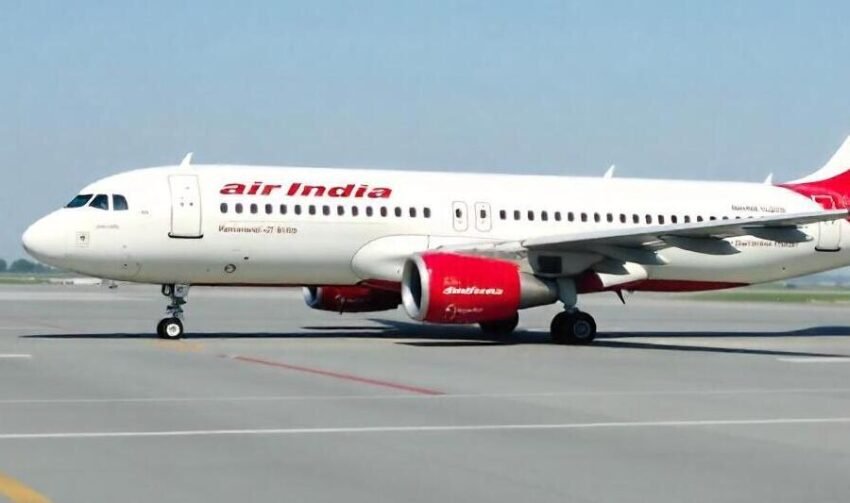

Air India has submitted a formal request to the Indian government seeking the cancellation of a leasing deal between rival carrier IndiGo and Turkish Airlines. The airline cited growing concerns over national security and economic implications tied to foreign involvement in India’s aviation landscape.
The leasing agreement, active since 2023, enables Turkish Airlines to provide widebody aircraft, crew, and pilots to support IndiGo’s long-haul operations connecting India’s major hubs—New Delhi and Mumbai—to Istanbul. These flights serve as a gateway for Indian travelers to access destinations throughout Europe and North America.
Strategic Concerns Fuel Request for Policy Intervention
Air India’s appeal is grounded in two primary concerns: the growing influence of a foreign state-backed airline in Indian skies and the potential economic disadvantage to local carriers. The airline has urged the Ministry of Civil Aviation to review and halt any continuation of the lease, which is currently assessed biannually.
According to internal documentation, Air India believes the arrangement has significantly increased seat capacity on Indo-Turkish routes, resulting in elevated revenues for Turkiye’s tourism and aviation industries. The concern is not only about economic shifts but also about strategic vulnerabilities, particularly in the context of strained diplomatic relations between the two nations.
Recently, Indian aviation authorities revoked the security clearance of a Turkish ground-handling firm operating in the country—a move seen as a policy recalibration in response to geopolitical tensions. This development further amplifies concerns about expanding foreign control within India’s aviation sector.
Leasing Deal Under Scrutiny Amid Policy Debates
IndiGo has leveraged the partnership to offer direct flights with widebody aircraft from Istanbul and to facilitate seamless international travel to more than forty destinations through a codeshare network. These operations fall within the bounds of the existing bilateral Air Services Agreement between India and Turkiye, which permits up to fifty-six weekly flights, equally divided between Indian and Turkish carriers.
While some within the aviation sector advocate for open skies and international collaboration, others echo Air India’s warning that such arrangements could erode the sovereignty of India’s aviation policy. By allowing indirect market penetration through leases and codeshares, domestic airlines may lose long-term competitive ground.
IndiGo maintains that the partnership enables greater connectivity, supports the tourism economy, stabilizes fares, and creates employment. However, Air India argues that these advantages are outweighed by risks to national control and industry self-reliance.
Codeshare Structure Boosts IndiGo’s Reach
The IndiGo-Turkish Airlines alliance has significantly enhanced global access for Indian travelers, particularly those from Tier 2 and Tier 3 cities. Under the codeshare model, passengers can book through a single ticket to travel from India to multiple international destinations via Istanbul, a major global transit hub.
Currently, two leased widebody aircraft operate on the Delhi–Istanbul and Mumbai–Istanbul routes, each with more than five hundred seats. This expansion has helped absorb demand in a post-pandemic environment characterized by limited international seat availability and rising ticket prices.
The success of this model also serves a strategic purpose for IndiGo. With dozens of new long-haul aircraft on order, including Airbus A321XLRs and Airbus A350s, the current codeshare arrangement allows the airline to develop market presence and demand ahead of launching its own independent widebody operations.
Future Expansion Plans Support Global Vision
IndiGo continues to expand its global network through strategic alliances. With over four hundred aircraft in operation and more than two thousand daily flights, the airline serves upwards of ninety domestic and forty international destinations. The Turkish Airlines partnership is one of ten active codeshare agreements designed to extend IndiGo’s reach without the immediate capital and regulatory demands of launching long-haul services.
The leasing model also plays a crucial role in connecting passengers from smaller Indian cities to international destinations through indirect two-stop itineraries. This not only enhances convenience and affordability but also diversifies IndiGo’s revenue base while building brand loyalty in emerging markets.
Uncertain Outlook as Policy Deliberations Continue
The Civil Aviation Ministry has yet to publicly comment on the status of the lease agreement. However, recent regulatory actions, such as the withdrawal of clearances for Turkish-linked aviation services, suggest that strategic concerns are being weighed at a higher level.
Air India’s intervention reflects broader tensions around how India should navigate foreign partnerships in sensitive sectors like aviation. The outcome of this case could define future policy directions regarding the level of foreign involvement permitted in critical national infrastructure.
As the government deliberates, the industry awaits clarity on how India plans to balance the benefits of international collaboration with the imperative to safeguard national security and economic independence.
The post Air India Calls for Urgent Cancellation of IndiGo and Turkish Airlines Agreement That Could Shift Revenue, Power, and Passenger Traffic Out of India’s Aviation Sector appeared first on Travel And Tour World.