British Airways Passengers Endure Seven Hour Ordeal Trapped Aboard Airbus A319 at London Heathrow Airport Amid Toxic Air Scare, New Update You Need To Know
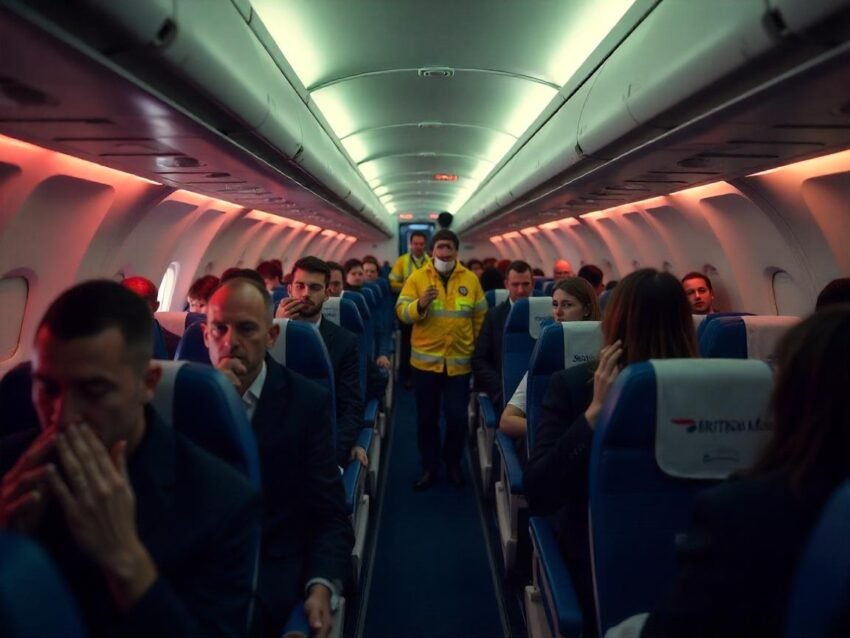

A chilling crisis unfolded as British Airways passengers found themselves trapped for an agonizing seven-hour ordeal aboard an Airbus A319 at London Heathrow. The cabin air turned ominous, triggering a toxic air scare that cast shadows over comfort and safety. Now, this drama is sparking alarming questions about cabin fume events and aviation safety standards.
Inside the British Airways Airbus A319, time crawled as passengers endured suffocating hours at London Heathrow. Tension thickened as the toxic air scare escalated. The ordeal felt endless.
Meanwhile, the world watches, gripped by worry. Could this seven-hour ordeal hint at deeper cracks in aviation safety standards? Or is it another chapter in the troubling saga of cabin fume events haunting airlines like British Airways?
Every detail demands attention. Every moment pulses with urgency. Readers must dive in, because what happened inside that British Airways jet could ripple across the future of air travel itself.
Seven Hours of Fear Inside a British Airways Jet
A routine flight turned into a nightmare as British Airways passengers found themselves trapped for seven hours aboard an Airbus A319 at London Heathrow Airport.
What should have been a short hop to Kraków Airport instead spiraled into a harrowing ordeal. The flight, designated BA872, never left the ground on July 6. Passengers remained buckled into their seats, staring at the cabin walls as a hidden danger grew silently around them.
A Fuse Sparks Chaos on the Tarmac
The trouble began with a stubborn electrical fault. A fuse kept blowing. It repeatedly knocked out the aircraft’s air conditioning and ventilation system.
Technicians rushed on and off the jet. They fought to restore airflow and comfort. Yet each attempt failed. The cabin air turned still and stifling. Passengers sweated as temperatures rose. Anxiety pulsed through the cramped aisles.
No breeze stirred. No cool relief arrived. And there was no chance to escape the sealed cabin.
Passengers Left Waiting—and Waiting
Despite escalating discomfort, airline staff refused to let passengers deplane. Returning to the terminal was not an option, they said.
Instead, British Airways offered meager solace: two small bottles of water and a breakfast bar. For seven long hours, that was the only relief for weary passengers desperate for fresh air.
Firefighters Rush In as Toxic Air Feared
Then the situation worsened. Airport firefighters boarded the aircraft. They checked the air quality and discovered signs of danger. A toxic air scare loomed.
Authorities evacuated the jet. Passengers finally stepped off the plane, gulping fresh air after hours trapped inside.
But the scare didn’t end there. The Airbus A319 had history. It wasn’t the first time this aircraft faced air quality issues.
A Troubling Past of Fume Events
The same Airbus A319 suffered a serious fume event in September 2024. On that flight, pilots donned oxygen masks as noxious odors filled the cabin while flying from London to Aberdeen. The aircraft diverted to Manchester for emergency assistance.
These incidents aren’t rare. Aviation insiders often refer to them as “toxic air exposures.”
The cause lies deep in aircraft design. Modern jets use bleed air, extracted from the engines, to ventilate the cabin. But when seals fail, vaporized engine oil or hydraulic fluid can leak into the air system.
Passengers and crew breathe those fumes. Some face immediate symptoms: dizziness, headaches, nausea. Others fear long-term harm from repeated exposure.
An Ongoing Crisis in Aviation Safety
In 2019, British Airways reported over 50 fume events in a single month. Many occurred across its A320 family fleet, including the A319. Reports described thick smoke, harsh chemical odors, and cabin crew falling ill mid-flight.
These episodes sparked diversions, emergency landings, and industry scrutiny. Yet there’s still no unified standard for reporting or investigating fume events.
Regulators and airlines disagree on terminology. Some call it an “odor event.” Others insist it’s toxic air exposure. The lack of clarity leaves passengers confused and vulnerable.
Legal Battles Over Toxic Air
Beyond discomfort and fear, fume events spark legal action. In May, United Airlines flight attendant Darlene Fricchione sued after she suffered severe health issues following a toxic air incident aboard an Airbus A319 in Denver in 2023.
She claims chronic headaches, nosebleeds, and lasting damage. Her lawsuit points a finger at aircraft designs that allow contaminants to enter the cabin air.
While not every passenger suffers lasting harm, critics warn that repeated exposures or intense events pose real danger. Frequent flyers and crew members could face cumulative risks, fueling lawsuits and compensation claims.
British Airways Faces Fresh Scrutiny
Despite the chaos on July 6, British Airways offered no official comment on the incident. And remarkably, the affected Airbus A319 returned to service the next day.
Critics say this raises troubling questions. Should aircraft with suspected toxic air issues be grounded longer? Are passengers being placed at unnecessary risk for the sake of airline schedules and profitability?
Industry insiders worry that airlines sometimes minimize these incidents to avoid operational disruption and reputational harm. But transparency is essential. Passengers deserve to know when they’re flying on an aircraft with a history of toxic air events.
Impact on Europe’s Travel Industry
This incident strikes at the heart of Europe’s booming travel sector. As tourism rebounds post-pandemic, airports like London Heathrow are under pressure to manage record passenger volumes. Delays and disruptions cause cascading effects across airline networks.
Travel agencies, hotel chains, and tourism boards watch closely. They fear headlines like these might shake consumer confidence. Nobody wants travelers second-guessing whether their flight could become a toxic air trap.
Airlines, meanwhile, balance tight margins and public trust. Aircraft utilization remains crucial in a high-demand summer season. Grounding jets over air quality fears could spark capacity crunches and revenue losses.
Future of Aviation Safety at Stake
The British Airways toxic air scare underscores a critical aviation challenge: how to guarantee safe, breathable cabin air.
Campaigners demand clearer regulations. Passengers want accountability. And safety authorities face mounting pressure to define fume events, mandate reporting, and enforce strict investigations.
Airlines will face tough choices. Will they ground aging aircraft more quickly? Upgrade filtration systems? Train crews better to handle emergencies?
Passengers Left Seeking Answers
For the passengers stranded for seven hours on Flight BA872, the ordeal remains vivid and distressing. They entered the jet expecting a routine trip to Kraków. Instead, they emerged hours later shaken, angry, and uncertain about what they’d breathed inside that sealed cabin.
The skies remain the realm of modern miracles. Yet hidden dangers like toxic air remind us that aviation still battles invisible threats.
As the industry rushes forward, travelers demand one thing above all: confidence that every breath they take at 35,000 feet is safe.
The post British Airways Passengers Endure Seven Hour Ordeal Trapped Aboard Airbus A319 at London Heathrow Airport Amid Toxic Air Scare, New Update You Need To Know appeared first on Travel And Tour World.