California’s GRU Space to Create First Ever Moon Hotel, Pioneering the Future of Space Tourism
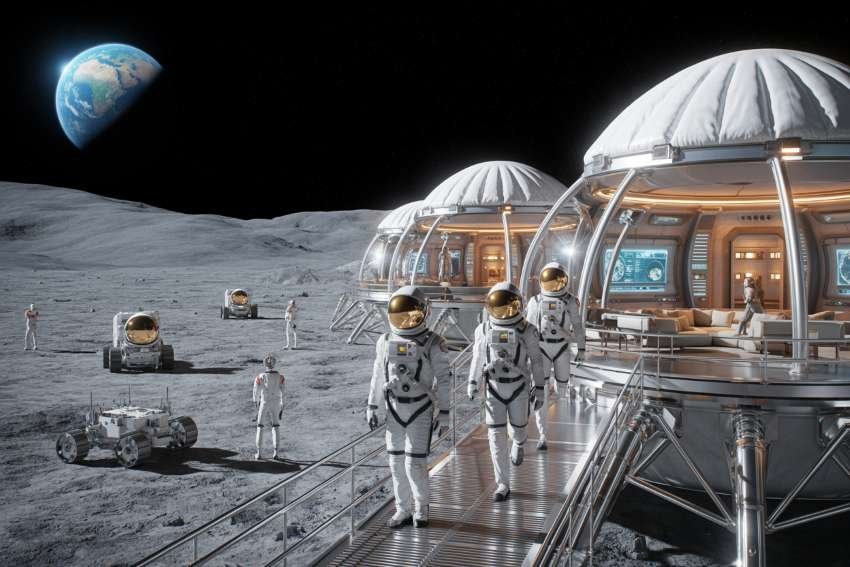
California’s GRU Space to Create First Ever Moon Hotel, Pioneering the Future of Space Tourism

A California-based space startup, GRU Space (Galactic Resource Utilization Space), is making significant strides toward the development of the world’s first lunar hotel, an ambitious project that aims to transform space tourism. The company has set its sights on 2032 for the first hotel module to be delivered to the Moon, ushering in a new age of ultra-luxury space travel. Backed by a powerful network of investors, including those associated with high-profile companies such as Nvidia, Y Combinator, SpaceX, and Anduril, GRU Space is at the forefront of efforts to take commercial space travel to the next level.
Space Tourism: The Moon Awaits
GRU Space has already made headlines by opening early reservations for future lunar stays, which have quickly garnered attention from wealthy space enthusiasts and those eager to experience life beyond Earth. This unprecedented venture promises to offer one of the most exclusive and extraordinary travel experiences to date. The initial stages of the project involve securing refundable deposits ranging from $250,000 to $1 million to reserve spots on the hotel’s first lunar missions.
Though the facility itself is years from completion, GRU Space has managed to generate considerable interest, capitalizing on the allure of lunar tourism. The projected nightly room rates are expected to begin at a staggering $410,000, reflecting the enormous technical and logistical challenges involved in making such an endeavour feasible. This pricing structure has led to comparisons with the early days of commercial aviation, where high costs were initially charged before becoming more accessible as demand and technology evolved.
A Step-By-Step Development Roadmap
The lunar hotel project is set to unfold in multiple stages, with GRU Space following a meticulously planned roadmap designed to mitigate the inherent risks and complexities of lunar operations. The company’s long-term strategy revolves around the gradual development of infrastructure, beginning with a series of technology demonstrations before moving toward actual lunar operations. By 2029, the company intends to launch its first test mission, utilizing a commercial lunar lander to validate key systems such as inflatable habitat deployment and construction methods that will be critical to the success of the hotel.
The first hotel module, which is slated for delivery in 2032, will be an inflatable structure capable of accommodating up to four guests for multi-day stays. This innovative design will allow for a flexible and scalable approach to lunar habitation. The inflatable module is expected to have an operational life of about 10 years, with the potential for future missions to deploy additional modular units, expanding the hotel’s capacity over time.
In-Situ Resource Utilization: A Game Changer for Lunar Construction
One of the most innovative aspects of the GRU Space project is its approach to utilizing resources already available on the Moon. Known as in-situ resource utilization (ISRU), this technique involves converting lunar soil into building materials, reducing the need to transport resources from Earth. By harnessing the Moon’s natural resources, GRU Space aims to create a more sustainable and cost-effective method of constructing lunar habitats and infrastructure.
This approach will play a key role in enabling future lunar bases, making the Moon more accessible for long-term off-world habitation. Over time, it is anticipated that the techniques developed by GRU Space will pave the way for more extensive lunar development, creating a foundation for future space exploration, mining, and other commercial ventures beyond Earth.
Lunar Tourism: A High-End Experience
The target demographic for the lunar hotel is primarily composed of ultra-wealthy individuals, space enthusiasts, and former participants in commercial spaceflights. These early adopters are expected to be drawn to the exclusivity of the experience, which promises not only a once-in-a-lifetime opportunity to visit the Moon but also the chance to be part of history in the making.
While the cost of booking a stay at the hotel may seem prohibitive to most, it reflects the immense investment required to overcome the technological and logistical challenges of operating in the harsh lunar environment. As with other forms of luxury travel, the high price tag is likely to be justified by the unparalleled experience on offer — one that is certain to provide guests with an unforgettable journey to the Moon.
Expanding the Vision: Beyond the Hotel
GRU Space’s vision for lunar infrastructure extends far beyond the hotel itself. The company envisions a future where automated systems and modular habitation units are deployed to create a sustainable lunar base. These units will not only serve as accommodations for future space tourists but also provide the necessary infrastructure for scientific research, resource extraction, and off-world habitation.
The company’s broader technical strategy aims to create a platform for scaling lunar operations, which could eventually support missions to Mars and beyond. By laying the groundwork for such an infrastructure on the Moon, GRU Space is contributing to the long-term goals of space exploration and the development of a permanent human presence beyond Earth.
A Historic Milestone for Space Tourism
If successful, the creation of the first lunar hotel will represent a monumental achievement for both the space tourism industry and the broader field of space exploration. Beyond providing an extraordinary travel experience for wealthy adventurers, the project will likely serve as a crucial step in the development of sustainable lunar operations. The Moon could one day become a hub for commercial activity, much like Earth’s oceans and continents, with private companies playing a pivotal role in its development.
With a strong backing from influential investors and a roadmap that spans over a decade, GRU Space is positioning itself as a leader in the race to commercialize space travel. The company’s innovative approach to lunar tourism and infrastructure development is a testament to the growing interest and investment in off-world ventures, and it could mark the beginning of a new chapter in humanity’s exploration of space.
The Road Ahead
While GRU Space’s timeline and ambitious goals face significant challenges, the excitement surrounding the lunar hotel project is undeniable. As we approach 2032, the commercial space industry will likely see further advancements in technology, infrastructure, and funding, which will help bring the dream of lunar tourism closer to reality. With ongoing developments in space travel and an increasing number of private companies entering the sector, the first hotel on the Moon could soon become not just a possibility, but a reality for those daring enough to take the leap.
In conclusion, the creation of a lunar hotel by 2032 could be a historic achievement that reshapes the future of space tourism. While it may initially cater to a select few, the success of such a project could open the door for more accessible space travel in the future, marking a new era in human exploration beyond Earth.
The post California’s GRU Space to Create First Ever Moon Hotel, Pioneering the Future of Space Tourism appeared first on Travel And Tour World.