Canada Joins with US and UK as New Travel Warning to Qatar Looms Amid Iran Striking Near Doha and Creates Chaos Globally, Latest Update on Alerts for Canadian Tourists
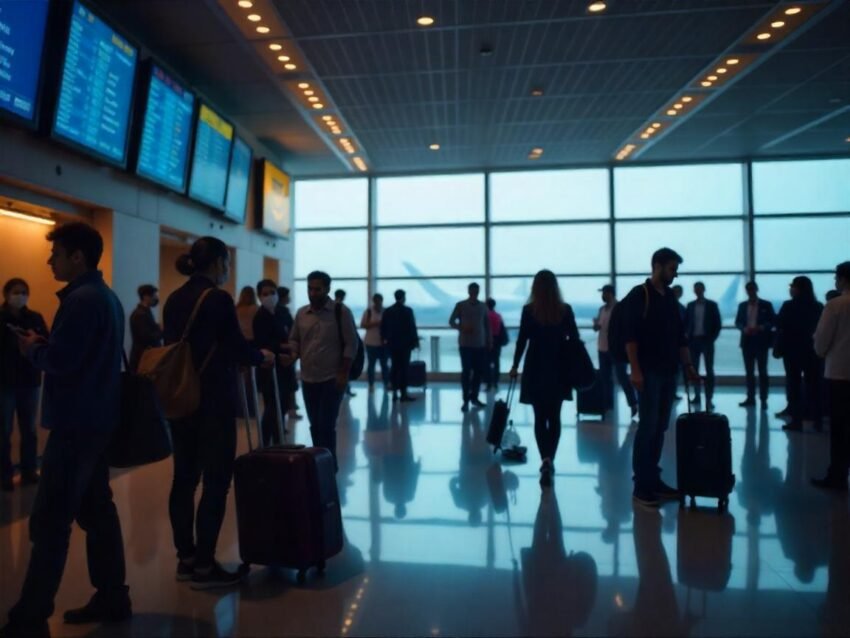

Canada joins with the US and UK in a dramatic move as a new travel warning to Qatar looms, shaking the confidence of international travelers. This sudden shift follows breaking reports of Iran striking near Doha, triggering a wave of uncertainty across the Gulf region. The tension is real, and it’s building fast. Now, with Canada, the US, and the UK aligned in sounding the alarm, chaos is spreading globally. Airports are on edge. Flights are being diverted. Tourists are left in limbo. The once-safe corridors through Qatar have become the latest flashpoint in a fast-deepening conflict.
Meanwhile, the latest update on alerts for Canadian tourists underscores how serious the situation is. Authorities aren’t just cautioning—they’re preparing for potential fallout.
As Iran strikes near Doha, and Canada joins the US and UK in this urgent response, the world watches closely. Will this spark a larger disruption in global travel? Or is this just the beginning?
Iran Strikes Near Doha: Canada Warns Travelers as Middle East Conflict Reaches Qatar’s Doorstep
Travelers bound for the Middle East are now facing another crisis, as Global Affairs Canada raises its risk level for Qatar following a reported missile strike near Doha. The development came after Iran allegedly targeted the Al-Udeid Air Base, a critical U.S. military installation just southwest of Qatar’s capital, in what is now a rapidly intensifying regional conflict.
The strike is believed to be part of a broader retaliation cycle following U.S. military intervention in Iran. With debris reportedly falling near populated areas and explosions heard across Doha, Qatari air defenses responded swiftly, intercepting the attack. No casualties were reported, but the impact on regional stability and air travel is already being felt.
As the situation escalates, Canada has updated its travel guidance, advising its citizens to exercise a high degree of caution in Qatar. This update adds to a mounting list of global alerts, as the region inches closer to a larger, more volatile confrontation.
US Bases Under Fire, Travel Warnings Multiply
The Al-Udeid Air Base, which houses several branches of the U.S. military’s Central Command and its strategic operations in the region, was reportedly the target of the Iranian missile. This base is not only a military nerve center—it sits near critical aviation corridors that connect Asia, the Gulf, and Europe.
With an active threat zone now within Qatar’s borders, both civilian and military air operations face heightened risk. The U.S. Embassy in Doha issued a shelter-in-place alert shortly after the reported missile activity. That alert came just a day after a nationwide global caution was issued to American citizens, warning of possible demonstrations and rising hostility toward U.S. interests abroad.
This isn’t just a military flashpoint—it’s becoming a major disruption to one of the world’s most strategic air and travel hubs.
Qatar’s Strategic Role in Aviation Now Under Threat
Qatar, home to Hamad International Airport (DOH)—one of the busiest transit points for intercontinental travel—now finds itself at the center of a storm. Airlines rely on Doha as a critical layover hub for flights between Europe, Asia, and Africa.
As threats rise and military tensions build around the city, carriers are reassessing their routes. Travel into and over Qatar now carries not just uncertainty—but escalating geopolitical risk.
Global airlines are expected to respond, either by rerouting around Qatari airspace or adjusting schedules in and out of Doha. If the threats continue or intensify, the region’s critical role in international air traffic could begin to shrink under the weight of war.
Global Affairs Canada Expands Travel Warnings
In addition to warning travelers to exercise caution in Qatar, Canada has reaffirmed its “do not travel” advisory for Iran, citing ongoing hostilities, risk of detention, and unpredictable legal enforcement.
This reflects a broader global concern. Iran’s history of detaining foreign nationals—including dual citizens—has become a diplomatic flashpoint in times of conflict. For travelers, it’s a stark reminder of how quickly a tourist visa can become a ticket into crisis.
These warnings aren’t symbolic—they are designed to protect lives. Travelers are being urged to avoid non-essential travel, to remain vigilant, and to stay informed through official government channels.
Airspace Instability Rattles Airlines and Passengers
Following the Qatar missile incident, global aviation watchdogs like Safe Airspace have added several Gulf countries—including Bahrain, Oman, Saudi Arabia, Kuwait, and the UAE—to their elevated risk categories. While no direct threats have yet been made against commercial aviation, proximity to military targets raises concerns of collateral impact or mistaken identity in increasingly crowded skies.
With missile debris already reported in Doha, airlines are on edge. Flight diversions, extended routes, and onboard delays are growing more common. Some carriers are reviewing their operations in the region altogether, especially for flights that would typically transit over Qatar or neighboring airspace.
The possibility of widespread delays or flight suspensions looms large as military operations escalate.
The Human Impact: Travelers Left in Limbo
For passengers, the crisis is deeply personal. Many are stranded in transit. Some are rerouted without warning. Others are making the difficult decision to cancel family reunions, business trips, or long-awaited vacations.
At airports around the Middle East—and in Western departure hubs—confusion and fear are setting in. Travelers are refreshing apps, rebooking itineraries, and calling embassies for updates. Families are watching from afar, wondering when, or if, their loved ones will return home.
The emotional toll of this conflict is not limited to the frontlines. It’s felt in airport lounges, hotel lobbies, and boarding gates around the world.
What Travelers Need to Know Right Now
In a world where global conflict now directly affects flight paths and travel security, being informed is more important than ever. For those with plans to visit the Middle East—or transit through Qatar—this is a moment to pause, evaluate, and plan with care.
Key recommendations for travelers:
- Monitor official advisories from Global Affairs Canada or the U.S. State Department.
- Avoid non-essential travel to Iran and high-risk regions.
- Stay in contact with airlines for real-time flight changes or cancellations.
- Consider travel insurance that includes geopolitical risk coverage.
- Register with government traveler programs for emergency updates and contact tracing.
A Tipping Point for Regional Travel and Safety
The strike near Doha marks a dangerous turning point. What was once a distant regional crisis is now hitting globally connected travel hubs. As Qatar steps into the conflict’s shadow, its role as a transit giant and geopolitical mediator is being tested.
How governments, airlines, and travelers respond in the coming days will shape not only the region’s security—but also the global tourism outlook for the rest of 2025.
This is more than just another news update—it’s a real-time reckoning for international travel in a world that’s growing more unstable by the hour.
The post Canada Joins with US and UK as New Travel Warning to Qatar Looms Amid Iran Striking Near Doha and Creates Chaos Globally, Latest Update on Alerts for Canadian Tourists appeared first on Travel And Tour World.