Discover Seamless Travel In London: Northern City Line’s Digital Signalling Revolutionizes Commuter Rail For Tourists And Locals: What You Need To Know
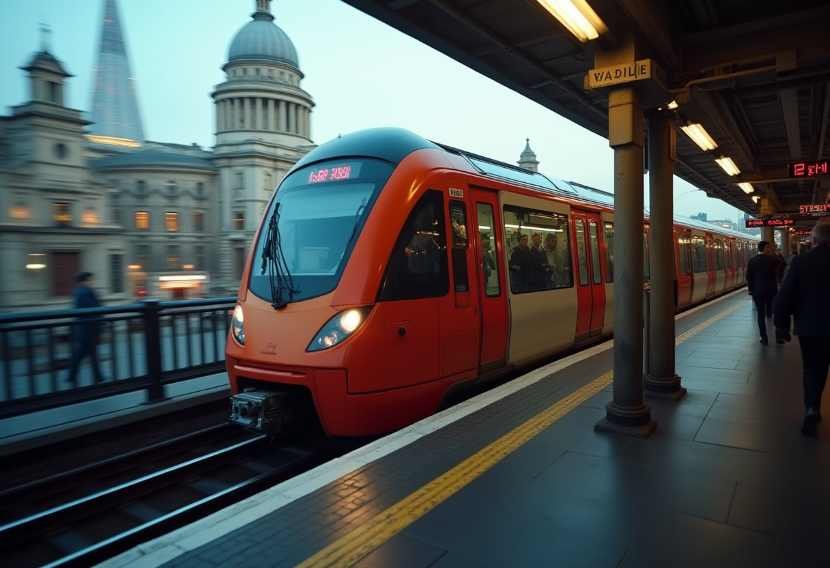

In an industry-first innovation set to revolutionise UK rail travel, the Northern City Line, which serves Hertford, has become the first UK route to full operate under digital in-cab signalling. This move is a significant step change in the £1.4 billion East Coast Digital Programme. funded by the government to bring UK rail infrastructure into the 21st Century making it more efficient for passengers and decreasing delays. The initiative looks set to revolutionise how tourism operates in London, offering an alternative and more convenient way for people to travel between some of the world’s most recognisable landmarks in the capital, and across the UK.
A Step Towards a Modern, Efficient Railway System
The Northern City Line which runs between Moorgate and Finsbury Park in North London was based on a traditional lineside signalling system and outdated infrastructure running along the tracks. The system, which uses European Train Control System (ETCS) technology, enables train drivers to see live information on a screen inside the cab – such as speed restrictions, braking distances and nearby train locations. This new system will improve safety, is cheaper to maintain and will increase the overall efficiency of the service.
There is no question, from a travel and tourism standpoint, this new tool has a lot to offer. Despite cleaner air, not to mention fewer engines on the streets, London visitors will certainly enjoy reduced delays, improved connectivity, and more reliable travel on one of city’s busiest commuter routes. The addition of digital signalling is in line with the UK’s aspiration to create a more resilient, efficient, and sustainable transport network, supporting sustainable tourism, as well as a contemporary travel for both local residents and tourists.
What Does Digital Signalling Mean for Tourists?
For tourists visiting London, particularly those who rely on public transport to get around the city’s famous attractions, the shift to digital rail signalling means greater convenience. The Northern City Line connects key parts of London and provides direct access to some of the city’s most popular destinations, such as Finsbury Park, a hub for shopping and dining, and Moorgate, which is a major financial district in central London.
Enhancing Connectivity for London’s Tourists
This new technology could significantly enhance the travel experience for tourists looking to visit famous landmarks, galleries, theatres, and museums. With fewer delays, the journey from Moorgate to Finsbury Park or King’s Cross—a station often used by travelers heading to attractions like the British Museum or the West End theatres—will be faster and more reliable, allowing tourists to make the most of their time in London. Additionally, the seamless integration of this new technology with other public transportation systems, like the London Underground and buses, will make it easier for tourists to navigate the city without worrying about transport hiccups.
Encouraging Sustainable Travel
For tourists focused on sustainability, this move represents a step forward in reducing the environmental impact of travel. Digital signalling is not only a more efficient system but also a greener one. By reducing the need for traditional trackside infrastructure and increasing the overall capacity of the rail system, the ETCS makes rail travel a more attractive alternative to car journeys, which have a higher carbon footprint. This initiative supports sustainable tourism by promoting more eco-friendly travel options, a priority for many travelers today.
The East Coast Digital Programme and Future Rail Developments
The Northern City Line serves as the first step in the broader East Coast Digital Programme, which aims to modernise the rail network along the East Coast Main Line. The introduction of digital signalling on the East Coast Main Line in 2026 is expected to further enhance connectivity between major tourist hubs such as London, York, Newcastle, and Edinburgh. For tourists traveling between these cities, the programme promises smoother, faster, and more reliable services, further increasing the appeal of rail travel as an alternative to flying or driving.
Improving the Commuter Experience and Supporting Tourism
The implementation of digital signalling on the Northern City Line has not only improved travel efficiency for daily commuters but also directly supports tourism in the London region. With Govia Thameslink Railway (GTR), which operates the line, highlighting the performance improvements associated with digital control, the shift has been well received. GTR has committed to providing an enhanced service that will improve the overall visitor experience, ensuring that both locals and tourists can access key destinations easily.
In addition to this, the integration of class 717 trains—which are equipped with the ETCS digital signalling—into the service further elevates the passenger experience. These modern trains provide better comfort and are designed to run more smoothly, adding to the appeal for tourists who wish to explore London with minimal hassle.
The Role of Great British Railways (GBR) in Modernising UK Rail
One of the major long-term goals of the East Coast Digital Programme is to set a standard for how the UK’s rail network will operate under Great British Railways (GBR), the new public body set to oversee the country’s rail operations. GBR’s vision is to create a national rail system that is efficient, customer-focused, and digitally advanced. This shift towards digital signalling is just one aspect of a larger transformation aimed at improving rail services for all travelers, including international tourists visiting the UK.
The Path Forward: Expanding Digital Signalling Across the UK
Following the successful deployment of digital signalling on the Northern City Line, similar upgrades will be implemented across other commuter routes and long-distance services. The success of this project will serve as a benchmark for how the rail industry modernises and integrates digital technology to improve passenger experience and operational efficiency.
For tourists, this means that exploring the UK by train will be increasingly reliable and accessible, with the potential for better journey planning and more convenient connections. The digitalisation of rail travel aligns with the wider trend of smart city technology, where infrastructure improvements benefit both residents and tourists alike.
Conclusion: A Modern Era for UK Rail Travel
The migration to digital signalling for the Northern City Line is not only another milestone for the UK rail industry, it is a victory for the UK tourism sector, in both London and further afield. The UK is positioning itself as a leader in modern rail infrastructure by delivering improved, better value and sustainable routes that offer effective and efficient travel choices. For tourists, this means easier, more convenient travel around the city and beyond, from major attractions such as The British Museum and The Tower of London to destinations further afield along the East Coast.
Success on this project will no doubt lead to further upgrades and improvements across the UK rail network, guaranteeing that the future of the nation’s rail network is one that works for today’s environmentally-friendly tech-savvy traveller.
The post Discover Seamless Travel In London: Northern City Line’s Digital Signalling Revolutionizes Commuter Rail For Tourists And Locals: What You Need To Know appeared first on Travel And Tour World.