Exploring Saudi Arabia Through Riyadh, AlUla and Jeddah: A Travel and Tourism Journey Across the Kingdom
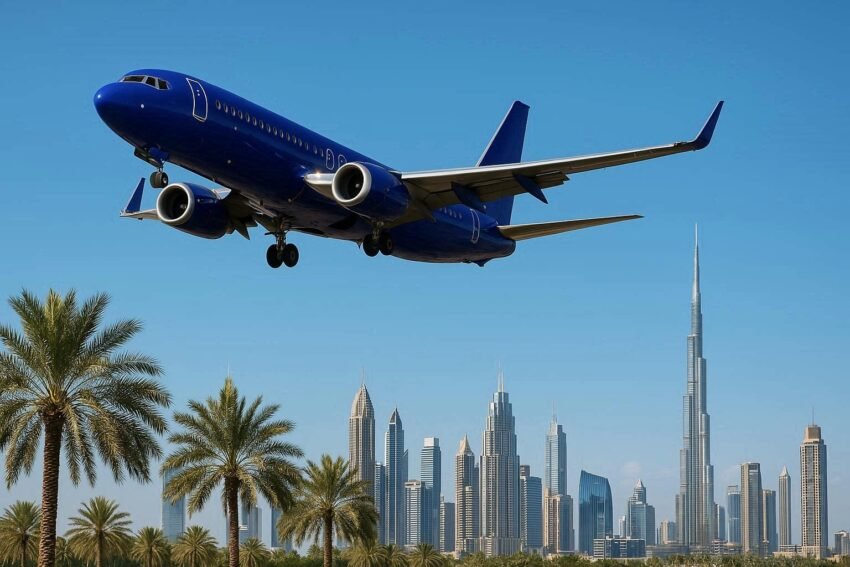

A culturally immersive journey across Saudi Arabia is often best understood through its cities, where layers of history, tradition, and transformation unfold side by side. Through Riyadh, AlUla, and Jeddah, a broad narrative of the Kingdom is revealed, shaped by ancient civilisations, desert landscapes, maritime trade, and ambitious modern development. These destinations collectively highlight how Saudi tourism has evolved while remaining deeply rooted in heritage. From the birthplace of the Saudi state at Diriyah, to the rock-carved legacies of Hegra in AlUla, and the sea-facing historic quarters of Jeddah, each location contributes a distinct chapter to the country’s cultural story. This travel experience is framed not only by monuments and landscapes but also by hospitality, local traditions, and carefully preserved historic districts. Across the Kingdom, Saudi culture, archaeology, architecture, and cuisine are presented in a way that reflects continuity rather than contrast. Through this exploration of Saudi Arabia, a nuanced portrait of a nation in transition is presented, making it an increasingly compelling destination within global travel and tourism circuits.
Diriyah and Riyadh: Foundations of the Saudi State
The journey across Saudi Arabia is traditionally begun at Diriyah, a historic settlement located on the outskirts of Riyadh. Recognised as the birthplace of the Saudi state, Diriyah is deeply embedded in the cultural and political identity of the Kingdom. Within its boundaries lies At-Turaif, a carefully restored mud-brick district that has been designated a UNESCO World Heritage Site. The architectural harmony between the sun-hued buildings and the surrounding desert landscape creates an environment where history feels both preserved and present.
At-Turaif is considered one of the largest integrated mud-brick cities in the world. Several museums have been established within the district, where the origins of the Saudi state and the evolution of its governance and culture are documented. These spaces are designed to provide visitors with historical context, allowing a deeper understanding of how Saudi Arabia emerged over three centuries ago.
Beyond its historical significance, Diriyah is also presented as a living cultural destination. Nearby, Bujairi Terrace offers a contemporary setting where open-air cafes and restaurants attract both residents and visitors, particularly during the evening hours. This blend of heritage and modern leisure reflects the broader transformation taking place across Saudi Arabia.
Upon returning to Riyadh, the capital city is experienced as a place of striking contrasts. Modern skyscrapers rise alongside historic forts and traditional souks. During Riyadh Season, the city is transformed into a vibrant hub of cultural and entertainment activities, reinforcing its growing role in global tourism. However, the National Museum remains central to understanding the Kingdom’s cultural fabric, offering a comprehensive overview of Saudi history, art, and traditions.
AlUla: Ancient Civilisations Preserved in the Desert
The journey then continues to AlUla, a region regarded as one of the most historically significant landscapes in Saudi Arabia. Surrounded by dramatic sandstone cliffs and vast desert plains, AlUla is defined by geological formations sculpted over millennia. Among these natural landmarks, Elephant Rock stands as one of the most iconic, rising approximately 52 metres and drawing particular attention at sunset when the desert light enhances its form.
While AlUla is home to luxury resorts in Ashar Valley, its deepest cultural resonance is found within the heritage site of Hegra, another UNESCO World Heritage Site. Hegra is home to more than 100 monumental tombs carved into rock faces by the Nabataean civilisation, which flourished along ancient caravan trade routes between the Mediterranean and southern Arabia nearly 2,000 years ago. The tombs are adorned with inscriptions, eagles, and mythological symbols that reflect the beliefs and social structures of the Nabataeans.
Daytime exploration of Hegra provides valuable archaeological insight, yet the experience is further enhanced after sunset. Hegra After Dark is presented as an immersive cultural programme where illuminated tombs stand against the night sky. Visitors are transported to the site by horse-drawn carriage, and storytelling performances are staged to recreate aspects of Nabataean daily life. Through live enactments and a concluding drone show, history is reinterpreted in a way that engages modern audiences while respecting the sanctity of the site.
Jeddah: Heritage at the Edge of the Red Sea
The final destination in this cultural journey is Jeddah, a coastal city historically known as the gateway to Mecca. Positioned along the Red Sea, Jeddah has long served as a vital port and trading centre. Today, the city continues to balance its maritime identity with urban growth and heritage preservation.
Along the waterfront, the palm-lined Corniche offers views of the sea and the world’s tallest fountain, creating a leisure-oriented environment popular with residents and visitors alike. In contrast, the historic district of Al Balad provides an immersive step into the past. Recognised as a UNESCO World Heritage Site, Al Balad is characterised by narrow lanes, traditional souks, and historic houses distinguished by intricately carved wooden balconies known as rawashin.
The architectural identity of Al Balad reflects centuries of trade, including strong historical links with India, from where much of the timber used in construction was sourced. Today, the district functions as a living heritage area, where old residences coexist with cafes, small museums, and local markets. This careful preservation ensures that Al Balad remains both culturally relevant and economically active.
Culinary traditions also form an essential part of the Jeddah experience. Local beverages such as Sobia, made from cinnamon, oats, water, and baking powder, are commonly enjoyed. Available in both white and hibiscus-infused red versions, Sobia is particularly popular during Ramadan and reflects the city’s distinctive food culture.
Saudi Arabia as a Unified Travel Experience
Across Saudi Arabia, the coexistence of ancient heritage and contemporary expression is consistently observed. Through Riyadh, AlUla, and Jeddah, a comprehensive portrait of the Kingdom is formed, shaped by desert civilisations, religious significance, global trade, and modern ambition. These cities collectively demonstrate how Saudi tourism is being developed with an emphasis on authenticity, preservation, and cultural storytelling.
For travellers seeking depth, history, and evolving experiences, Saudi Arabia is increasingly positioned as a destination where past and present are seamlessly interwoven. Through careful curation and hospitality, the Kingdom continues to open its cultural landscape to the world.
The post Exploring Saudi Arabia Through Riyadh, AlUla and Jeddah: A Travel and Tourism Journey Across the Kingdom appeared first on Travel And Tour World.