Fukuoka Hosts Inaugural Global Hospitality and Tourism Research Summit, Pioneering Innovation and Sustainability in Tourism
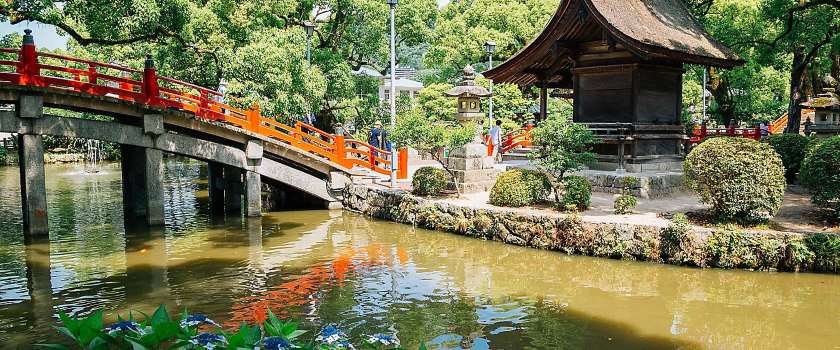

From May 15th to May 18th, 2025, Fukuoka, Japan proudly welcomed experts from around the world for the first-ever Global Hospitality and Tourism Research Summit held in the country. Hosted at Kyushu Sangyo University, this landmark event was co-organized with the Rosen College of Hospitality Management at the University of Central Florida, marking an unprecedented collaboration that united academia, industry professionals, and government officials.
The Fukuoka Convention and Visitors Bureau actively participated, helping showcase Fukuoka and the wider region as an innovative and attractive destination for tourism and hospitality development.
A Platform for Global Collaboration in Tourism and Hospitality
The summit served as a vital forum to share cutting-edge research, innovative methodologies, and emerging paradigms in tourism and hospitality. Attendees included leading academic researchers, policymakers, and business practitioners focused on advancing knowledge and best practices in the sector. The event’s broad representation from public and private sectors underlined the shared commitment to fostering sustainable tourism that benefits local communities economically, culturally, and environmentally.
Tourism is a critical driver of economic growth globally, supported by national strategies such as Japan’s Ministry of Land, Infrastructure, Transport and Tourism (MLIT) “Tourism Vision to Support the Future” which emphasizes innovation and sustainability in tourism development. The conference aligned closely with these governmental priorities by focusing on enhancing competitiveness while safeguarding cultural heritage and natural resources.
Conference Themes: Innovation, Competitiveness, and Sustainability
The overarching theme of the summit was Innovation, Competitiveness, and Sustainability, encapsulating the multifaceted challenges and opportunities faced by the tourism sector today. The program was organized around three major research areas:
- Destinations: Examining how tourist locations can adapt and innovate to remain competitive while preserving cultural integrity and environmental quality.
- Local Communities: Exploring the socioeconomic impacts of tourism on residents and strategies for ensuring that tourism development supports community wellbeing and resilience.
- Tourism Enterprises: Focusing on business innovation, digital transformation, and sustainable operational practices in hospitality and tourism companies.
This tripartite structure reflects the holistic approach necessary to manage tourism’s complex ecosystem, resonating with sustainable tourism frameworks promoted by international bodies such as the United Nations World Tourism Organization (UNWTO) and Japan Tourism Agency.
Key Topics and Insights from the Summit
Over four days, participants engaged in dynamic discussions, presentations, and panel sessions covering a diverse range of timely topics:
- Statistical Analysis of Tourism Data: Harnessing big data and analytics to understand visitor behaviors, forecast trends, and guide strategic tourism planning. Effective data-driven decision-making is emphasized by Japan’s Ministry of Internal Affairs and Communications in promoting smart city initiatives and regional revitalization through tourism.
- Generative AI in Tourism: Analyzing the transformative potential of AI technologies for enhancing customer experience and operational efficiency, while critically addressing ethical concerns and risks associated with overreliance on AI-generated content. Discussions reflected global debates on AI’s role in reshaping service industries and the importance of balancing innovation with human-centric approaches.
- Education and Accreditation: A keynote speech spotlighted the significance of educational accreditation systems like the United Nations’ TedQual certification, which assures quality and sustainability standards in tourism and hospitality education worldwide. This underscores the crucial role of training institutions in equipping future professionals to meet evolving industry demands responsibly.
By focusing on both theoretical and practical dimensions, the summit fostered a rich exchange of knowledge that can support more resilient, competitive, and responsible tourism development worldwide.
Fukuoka’s Strategic Role in Regional Tourism Development
The participation of the Fukuoka Convention and Visitors Bureau illustrated the city’s ambition to strengthen its profile as a hub for sustainable tourism innovation in Japan. Fukuoka is known for its dynamic economy, vibrant culture, and strategic location in Kyushu, making it an ideal host city for an event focused on the future of hospitality and tourism.
The city’s tourism strategy, promoted by the Fukuoka City Tourism Division, aligns with national goals by emphasizing community engagement, cultural preservation, and eco-friendly tourism. Through this conference, Fukuoka leveraged the opportunity to highlight local attractions, engage with global experts, and foster international partnerships.
Broader Implications for Japan and the Global Tourism Industry
Japan continues to promote inbound tourism as a pillar of economic revitalization, especially post-pandemic. Government initiatives such as the “Visit Japan” campaign and infrastructure investments aim to welcome a diverse range of travelers while addressing sustainability challenges. Events like the Global Hospitality and Tourism Research Summit contribute to these efforts by generating actionable insights and encouraging multi-stakeholder collaboration.
Internationally, the summit’s emphasis on sustainability and innovation reflects a growing consensus that tourism must evolve to minimize environmental impacts, respect cultural identities, and contribute meaningfully to local communities. The UN Sustainable Development Goals (SDGs), particularly Goal 8 (Decent Work and Economic Growth) and Goal 12 (Responsible Consumption and Production), provide a guiding framework embraced by tourism scholars and practitioners alike.
Looking Forward: Building a Sustainable and Innovative Tourism Future
The success of the inaugural Global Hospitality and Tourism Research Summit in Fukuoka is a promising indicator of the sector’s readiness to embrace change and tackle pressing challenges. The event’s inclusive and interdisciplinary nature fostered robust dialogue and built bridges between theory and practice, academia and industry, local and global perspectives.
As tourism faces evolving demands — from digital transformation and climate change adaptation to shifting traveler preferences — forums like this summit will be essential to developing resilient strategies that uphold cultural heritage and ecological integrity.
The Fukuoka Convention and Visitors Bureau, alongside international partners such as the Rosen College of Hospitality Management, remain committed to supporting ongoing research, innovation, and sustainable development in tourism.
Acknowledgments
The organizers extend their deepest gratitude to all participants, speakers, and sponsors who contributed to the summit’s success. Their dedication and collaboration made it possible to convene this landmark event in Japan, setting a foundation for future gatherings aimed at advancing hospitality and tourism research globally.
The post Fukuoka Hosts Inaugural Global Hospitality and Tourism Research Summit, Pioneering Innovation and Sustainability in Tourism appeared first on Travel And Tour World.