Greece Sees its Restaurants Sales Drop by Twenty Percent as Tourists Choose Supermarket Meals Despite Record Growth of Visitor Arrivals in this Year
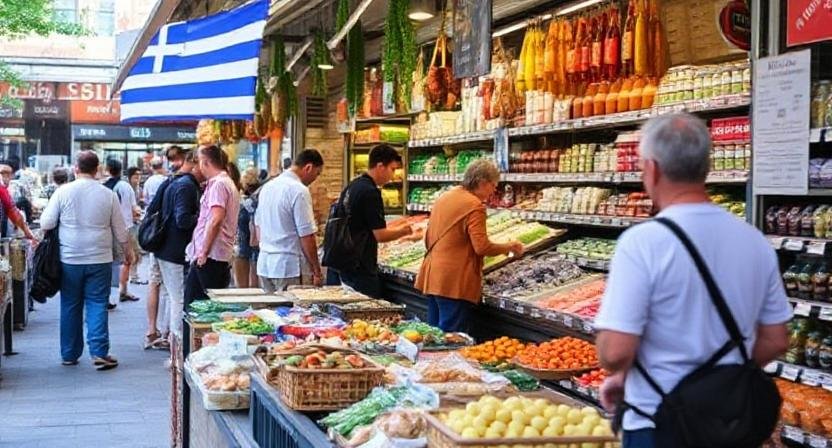
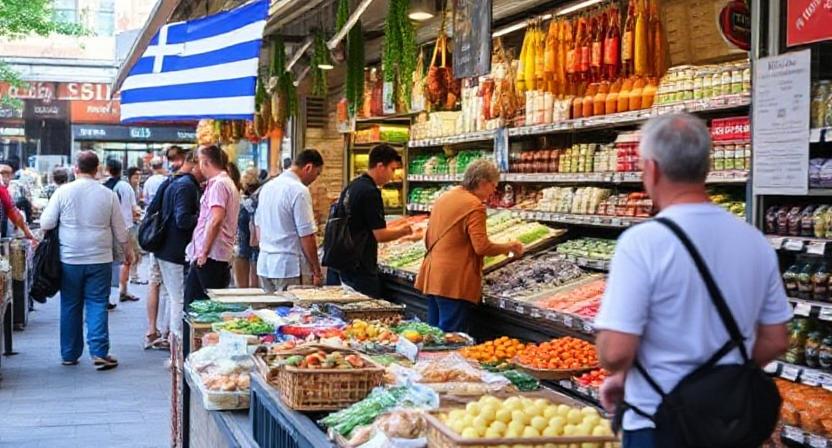
In Greece, the restaurant industry is having a tough summer despite record foreign tourist arrivals in the country. Industry members say most tourists are opting for supermarket food or preparing meals at short-term rentals instead, resulting in restaurants losing 20% of their sales from the previous year. This has been particularly evident in the popular holiday areas, further compounded by escalating operating expenses that are putting additional pressure on an already ailing catering industry.
The move to supermarket shopping is drastically altering the behavior of travelers, especially those trying to reduce costs associated with traveling while still enjoying Greece’s lovely places. While the arrival of foreign visitors continues to break records, the restaurant sector is noticing the effects of this change in eating patterns.
Tourist Behavior Shift: From Dining Out to Supermarket Meals
More travelers are choosing to prepare meals themselves rather than dining out at traditional restaurants. Supermarkets are seeing a surge in sales, especially on the islands and in regions like Crete, where visitors are opting for ready-made meals and grocery shopping as more affordable alternatives to eating out.
Industry data reveals a growing trend among tourists who are taking advantage of short-term rentals, where kitchens are available for self-catering. This cost-effective option allows tourists to enjoy fresh local produce, prepared meals, and affordable groceries without having to pay higher restaurant prices.
Supermarket Sales Surge in Greece: A 7.8% Increase in 2025
Supermarkets in Greece are reporting strong growth, especially in popular tourist regions. According to NielsenIQ data, supermarket sales across the country increased by 7.8% in 2025, reaching a total value of €10.44 billion by August 24. This rise in sales has been primarily driven by increased purchases in the food and beverage sector, which climbed 7.5%, while fresh produce and products sold by weight surged 11.5%.
Regional growth has been especially strong in island Greece, where sales increased by 11.3%, with Crete seeing an impressive rise of 9.7%. The island’s tourism-driven demand for local food items, including fresh ingredients and ready-to-eat meals, highlights how visitors are shifting their spending habits towards self-catering solutions.
Rising Operating Costs: Challenges for the Catering Sector
The restaurant sector in Greece is facing additional challenges beyond the change in tourist behavior. Rising operating costs have added to the strain on businesses, especially when coupled with the reduced footfall and smaller orders from both foreign and domestic customers. Restaurants, bars, and cafes are struggling to maintain profit margins as ingredient prices climb and staffing costs rise.
Many small and medium-sized restaurants are finding it difficult to balance the demands of tourist inflows with the rising costs of running operations, which include rent, utilities, and labour. This has led to some establishments scaling back services or even cutting back on operating hours to cope with the financial strain.
The Growing Popularity of Self-Catering Tourism in Greece
The trend of self-catering tourism, where visitors prepare their own meals, has grown particularly in destinations with a high number of short-term rental properties. Cities and islands in Greece, such as Santorini, Mykonos, and Crete, which have traditionally been known for their luxury resorts and dining options, are now seeing greater demand for apartments and vacation homes that offer kitchen facilities. This shift is especially popular among tourists who are seeking affordable ways to enjoy their stay without the extra cost of eating out at restaurants every day.
Additionally, the rise of food delivery services and online grocery shopping platforms in Greece has made it even more convenient for travelers to prepare meals during their visit, offering them more flexibility with their dining choices.
Economic Implications: Tourism and Local Businesses in Greece
While supermarket sales in Greece are growing, this shift toward supermarket meals is having a mixed impact on the local economy. On one hand, supermarkets and local markets are benefiting from increased sales, but the restaurant sector is losing out on potential revenue from dining tourists. Many local restaurants and food vendors rely heavily on tourists’ spending during the peak season, and the decrease in restaurant visits could lead to job losses and business closures in some areas.
The decline in restaurant revenue also affects tax revenue for local governments, as well as the broader tourism ecosystem. With fewer tourists eating at restaurants, there are fewer opportunities for tourism-related businesses to profit, which could dampen overall tourism growth in the country.
A Call for Adjustments: The Need for Adaptation in the Tourism Sector
Experts suggest that the Greek tourism industry must adapt to these changing trends by embracing the growing demand for self-catering tourism and affordable travel experiences. One approach could be to combine traditional dining experiences with flexible options for tourists, such as offering meal packages, local food tours, or cooking classes that allow tourists to learn how to make authentic Greek dishes in the comfort of their rented accommodation.
Restaurants could also innovate by offering discounts for longer stays or creating specialized menus that cater to tourists seeking more budget-friendly options. Additionally, offering premium meal experiences and fine dining events for tourists willing to splurge on a high-quality experience could also be a way for the industry to adapt.
Looking Ahead: A Balancing Act for the Greek Tourism Sector
While the decline in restaurant visits presents challenges for the hospitality sector, it also highlights the potential for tourism diversification in Greece. With supermarkets seeing growth, there’s an opportunity for Greece to explore new models of tourism that incorporate self-catering options, local experiences, and cultural immersion into the country’s tourism offerings.
Balancing traditional dining, local food experiences, and self-catering options could help Greece remain a top destination for tourists while ensuring its tourism industry continues to thrive and evolve with the changing needs of travelers.
Embracing New Trends in Greek Tourism
Greece’s tourism industry is changing as supermarket sales increase, indicating the increasing popularity of self-catering tourism. As the preferences of tourists change and more tourists turn to cheaper options, the hospitality industry needs to respond to these changes to remain competitive. By making room for indigenous food experiences, low-cost dining, and cultural immersion, Greece’s tourism economy can keep growing and remain a top European destination.
The post Greece Sees its Restaurants Sales Drop by Twenty Percent as Tourists Choose Supermarket Meals Despite Record Growth of Visitor Arrivals in this Year appeared first on Travel And Tour World.