Greece Warns Tourists To Remain Alert And Avoid Political Gatherings As European Governments Update Travel Advice Amid Escalating Conflict In The Middle East
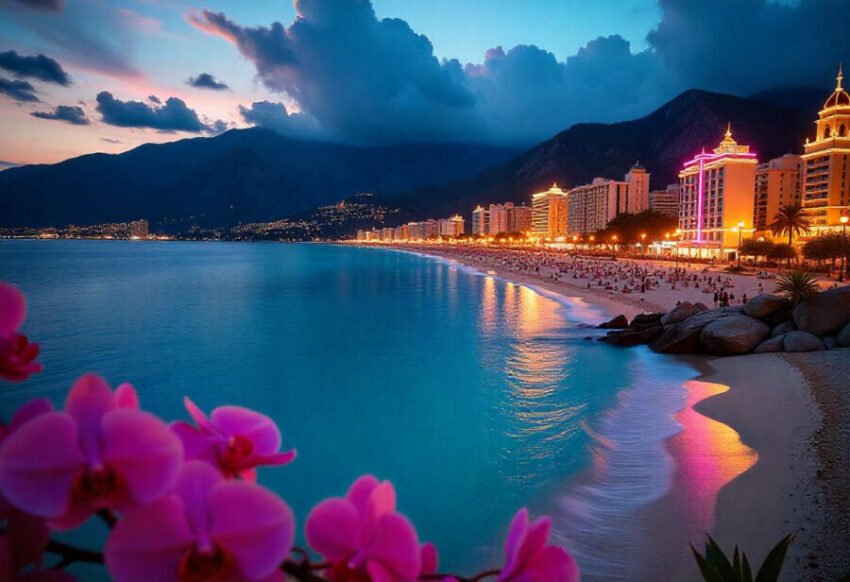

Greece is urging tourists to remain on high alert and avoid all forms of political gatherings this summer as regional tensions flare following escalating conflict in the Middle East. In response, several European governments—including the United Kingdom—have updated their official travel advice, citing the risk of unrest, potential demonstrations, and indirect security threats within Greek territory. The Greek government has already increased police presence in key tourist zones to ensure visitor safety and minimize disruptions, especially as millions of travelers are expected during the peak holiday season.
British and European tourists traveling to Greece are being urged to remain highly vigilant this summer as Greek authorities implement increased security measures in response to rising regional instability. The Foreign, Commonwealth & Development Office (FCDO) in the United Kingdom has updated its travel advisory, emphasizing the need for travelers to “stay away” from protests and “stay aware” of their surroundings. Similar warnings have also been issued to travelers from other European Union nations, highlighting a shared concern over the potential impact of unrest beyond Greece’s borders.
Why the Alert Has Been Issued
The updated travel guidance follows recent events in the Middle East, particularly involving escalating tensions in Israel and the Occupied Palestinian Territories. Greek officials have cited these developments as the primary reason for bolstering security in several high-profile areas popular with tourists. While Greece itself remains a safe and stable destination, authorities are taking precautionary steps to safeguard against any indirect effects of international conflicts that could spill over or trigger demonstrations domestically.
Greece has long maintained close ties with both Western and Middle Eastern nations, and its position in southeastern Europe places it at the crossroads of various geopolitical dynamics. As tensions rise in neighboring regions, Greece is reinforcing its readiness to respond swiftly and decisively to any local security issues that may arise as a result.
What Tourists Are Being Told
UK holidaymakers are receiving strong guidance to avoid protest zones, crowded demonstrations, or political gatherings of any kind. The advice also calls for travelers to exercise increased personal vigilance—particularly in tourist hotspots, transportation hubs, and urban centers such as Athens and Thessaloniki, which frequently attract both visitors and organized demonstrations.
Tourists are advised to monitor the latest updates from local authorities and comply with any instructions given on the ground. Officials have stressed that even peaceful gatherings can quickly become unpredictable or escalate without warning. For this reason, travelers should avoid lingering in or near any area where protest activity is taking place, regardless of its apparent size or intent.
European Union citizens are receiving similar advisories, with diplomatic representatives from multiple member states urging their citizens to remain alert. These parallel warnings further demonstrate that the concerns surrounding Greece’s security environment are being taken seriously by both national governments and local stakeholders.
Greek Authorities Ramp Up Security
In response to these regional developments, Greek security agencies have increased police visibility and surveillance in areas that see high tourist traffic. These include archaeological sites, hotel districts, public squares, and transportation terminals. Security patrols have become more frequent, and crowd management strategies are being implemented to mitigate any risk associated with public gatherings or political demonstrations.
Although Greece has not experienced any direct threats tied to the conflicts in the Middle East, the government is acting out of an abundance of caution. Officials are particularly concerned that external tensions could fuel local activism or lead to spontaneous protests, especially in areas with political symbolism or international visibility.
To minimize any disruption to travel, authorities are coordinating closely with tourism operators, hotel groups, and local businesses. Information is being regularly shared with embassies and consulates to ensure visitors remain informed and supported.
Travel Advice for British and EU Visitors
Holidaymakers from the UK and Europe should prepare for their trip by checking government travel advisories and registering with their respective embassy if their stay in Greece will be extended. Those already in the country are encouraged to stay informed through reliable news outlets and official announcements. Signing up for safety alerts via mobile apps or embassy services is also recommended.
When in Greece, tourists should avoid areas known for hosting demonstrations or political events. Travelers should keep a low profile in public spaces, refrain from engaging in political conversations, and avoid filming or photographing any security personnel or protest-related activities. This precaution helps reduce the risk of misunderstandings with local authorities.
In addition to situational awareness, tourists are encouraged to carry valid identification at all times and keep emergency contact numbers readily accessible. It is also advisable to identify the nearest hospital, police station, and embassy or consulate upon arrival in each new city.
While the increased security presence may be noticeable, officials are emphasizing that these measures aim to reassure the public and ensure a safe environment for everyone. Most visits to Greece are expected to continue without disruption, provided tourists respect local laws, avoid risky areas, and remain alert.
Impact on Greece’s Summer Travel Season
Greece is entering its peak tourism season, with millions of visitors expected to travel to the country’s mainland and islands. The tourism sector remains vital to the Greek economy, and local businesses are working hard to maintain a welcoming atmosphere amid the added security presence.
Tourism authorities are continuing to promote the country as a safe destination, emphasizing its strong infrastructure and the government’s proactive approach to managing emerging threats. Hotels, resorts, and tour operators are collaborating with law enforcement to support tourist safety without disrupting the visitor experience.
Greece is urging tourists to stay alert and avoid political gatherings as regional tensions from the Middle East conflict prompt the UK and other European governments to update travel advice and tighten safety measures in key tourist areas.
At the same time, the tourism industry is aware that traveler confidence hinges on clear communication and visible safety protocols. By deploying additional personnel and reinforcing public safety procedures, Greece aims to maintain its status as one of Europe’s most reliable and enjoyable holiday destinations—even amid complex international developments.
The post Greece Warns Tourists To Remain Alert And Avoid Political Gatherings As European Governments Update Travel Advice Amid Escalating Conflict In The Middle East appeared first on Travel And Tour World.