How the Sacred Amarnath Yatra Drives Tourism Growth, Economic Revival, and Cultural Exchange Across Jammu & Kashmir
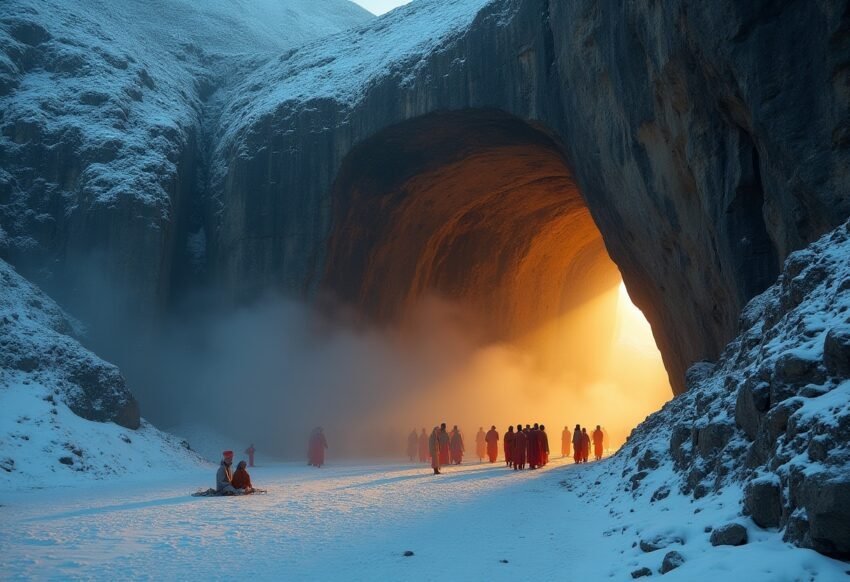

The Amarnath Yatra, an annual pilgrimage to the sacred Amarnath Cave nestled deep within the Himalayas, serves as a powerful force that drives not only spiritual devotion but also a significant economic and cultural revival for Jammu & Kashmir. Each year, thousands of Hindu devotees make the arduous journey to seek the blessings of Baba Barfani. But beyond the spiritual significance, the Yatra’s economic and tourism impact is undeniable. This sacred trail from Pahalgam to the Amarnath Cave offers more than just an opportunity for pilgrims to renew their faith; it provides a substantial boost to local businesses, infrastructure, and tourist destinations around the region. With its blend of religious tourism and natural beauty, the Amarnath Yatra is transforming Jammu and Kashmir into a hub for both spiritual and leisure travel. In this report, we will delve into the multifaceted influence of the Yatra on the region’s economy, local tourism, and cultural exchange, while also discussing the challenges it faces, such as sustainability and safety concerns.
Economic Boost Through Pilgrimage Tourism: Amarnath Yatra’s Role in Jammu & Kashmir
The Amarnath Yatra is more than just a religious event; it’s a cornerstone of Jammu & Kashmir’s tourism and economy. Every year, between June and July, over three lakh pilgrims embark on this spiritual journey, creating a ripple effect that impacts local businesses, hospitality, and even the handicrafts industry. According to Ravi Gosain, President of the Indian Association of Tour Operators (IATO), the Yatra provides a “life-giving soul” to the region’s economy. It offers a much-needed influx of revenue to the local population and businesses, particularly in towns like Pahalgam and Baltal, which experience an extended peak tourist season as a direct result of the pilgrimage.
Key Economic Impacts of the Amarnath Yatra:
- Hotel and Hospitality Industry Surge: Hotels, guesthouses, and homestays in Pahalgam, Baltal, and other surrounding areas often report a surge in bookings, leading to a thriving hospitality business.
- Local Handicrafts and Vendors: Local artisans and vendors benefit significantly from the pilgrimage as they cater to thousands of pilgrims by selling traditional Kashmiri handicrafts, clothing, and food items.
- Extended Tourism Season: Pilgrims who participate in the Yatra often take time to explore nearby destinations like Srinagar, Gulmarg, and Sonmarg. This extends the tourism season beyond the typical summer months, ensuring a longer period of economic growth for the region.
Sustainable Tourism and Infrastructure Development: Challenges and Opportunities
While the economic benefits of the Yatra are substantial, there are challenges that accompany the influx of tourists. One of the primary concerns remains sustainability, particularly in terms of environmental impact and waste management. The Amarnath Cave, located at an altitude of over 3,800 meters, is vulnerable to environmental degradation. The massive foot traffic associated with the Yatra can lead to waste accumulation, soil erosion, and damage to the fragile ecosystem of the region.
Key Environmental Challenges:
- Waste Management: With over three lakh pilgrims passing through the region, waste disposal has become a major issue. Efforts are being made by local authorities to manage the growing amount of waste, but the lack of proper infrastructure remains a hurdle.
- Ecological Balance: The trek to the Amarnath Cave passes through protected forest areas. Unsustainable practices, such as deforestation and improper handling of waste, threaten the natural beauty of the area.
- Climate Change Effects: The changing climate patterns affect the accessibility of the Yatra route, with snowfall and rainfall potentially delaying the pilgrimage or causing hazards for pilgrims.
Despite these concerns, local authorities have begun to implement eco-friendly measures to mitigate the environmental impact. This includes initiatives such as setting up biodegradable waste disposal systems, encouraging pilgrims to reduce plastic usage, and enhancing awareness about preserving the region’s natural beauty.
Infrastructural Development Boost: The Yatra’s Long-Term Benefits
The Amarnath Yatra has catalyzed significant infrastructural development in Jammu & Kashmir. Improvements in road networks, healthcare facilities, and communication systems benefit both pilgrims and the local community. According to Mr. Gosain, these developments have far-reaching benefits, extending well beyond the Yatra itself. Better road access, especially to remote areas like Baltal, ensures smoother travel for pilgrims and boosts tourism year-round. Enhanced healthcare services ensure the safety of pilgrims, particularly those who embark on the challenging trek at high altitudes.
Infrastructural Gains:
- Road Connectivity: Significant upgrades to the road networks, particularly in areas like Baltal and Pahalgam, have enhanced connectivity, making travel easier for both pilgrims and tourists.
- Healthcare Facilities: The Yatra has led to better healthcare infrastructure, including the establishment of emergency medical camps along the trek. This infrastructure ensures the well-being of pilgrims, especially those requiring immediate medical attention during the journey.
- Mobile and Internet Connectivity: Improved telecommunications, particularly in remote areas, allow pilgrims to stay connected and access emergency services when needed.
Pilgrimage and Leisure: The Fusion of Faith and Tourism
One of the most exciting developments of the Amarnath Yatra’s impact is the fusion of pilgrimage tourism with leisure travel. While the Yatra primarily attracts religious tourists, many pilgrims extend their stay in the region to explore its stunning landscapes and picturesque towns. Gulmarg, Sonmarg, and Srinagar are some of the most sought-after leisure destinations for those completing the Yatra. The combination of spiritual significance and natural beauty has led to the growth of faith-based tourism in the region.
This blend of spirituality and leisure tourism has given birth to a new class of tourists who seek both an enriching religious experience and a relaxing holiday. As a result, destinations like Gulmarg, famous for its ski resorts, and Sonmarg, known for its scenic trekking routes, have seen increased tourist traffic during and after the pilgrimage.
Security Measures and Challenges
Despite the benefits, the Amarnath Yatra is not without its challenges. The security of pilgrims remains a top priority due to the sometimes volatile situation in Jammu & Kashmir. The threat of militant activities has necessitated the deployment of thousands of security personnel to ensure the safety of pilgrims during the Yatra.
Key Security Measures:
- High Security: Over 50,000 security personnel are deployed to ensure the safety of the pilgrims, especially in the wake of the recent events in Pahalgam.
- Emergency Response Teams: Trained emergency response teams are stationed along the route to manage unforeseen situations, such as natural calamities or health emergencies.
The Indian Army and paramilitary forces collaborate to maintain a safe environment, both for the pilgrims and the residents of Jammu & Kashmir. These efforts, while costly, are critical in maintaining the Yatra’s integrity and ensuring that the pilgrimage continues without disruptions.
Conclusion: The Amarnath Yatra as a Model of Faith-Based Tourism
The Amarnath Yatra represents a powerful example of how faith-based travel can intertwine with tourism to benefit an entire region economically, socially, and culturally. Through the Yatra, Jammu & Kashmir has not only established itself as a significant religious destination but has also enhanced its profile as a tourist hub with a strong emphasis on sustainability and community development. The fusion of spiritual devotion with leisure tourism offers a model for other destinations looking to balance cultural heritage with modern tourism demands. While challenges such as environmental sustainability and security continue to persist, the economic benefits and the infrastructure improvements stemming from the Yatra have brought long-term positive change to Jammu & Kashmir. It is clear that the Amarnath Yatra is not just a religious pilgrimage but a driving force in transforming the region’s tourism landscape, benefiting both pilgrims and the local economy alike.
Key Takeaways:
- The Amarnath Yatra drives tourism in Jammu & Kashmir, benefiting local businesses and extending the tourist season.
- Infrastructure improvements such as better roads and healthcare facilities benefit both pilgrims and local communities.
- The fusion of spiritual and leisure tourism in Kashmir creates a unique destination for travelers.
- Environmental and security challenges must be managed to ensure the Yatra’s continued success and sustainability.
The post How the Sacred Amarnath Yatra Drives Tourism Growth, Economic Revival, and Cultural Exchange Across Jammu & Kashmir appeared first on Travel And Tour World.