Italy Introduces Trevi Fountain Access Fee as Rome Redefines Sustainable Tourism in Europe
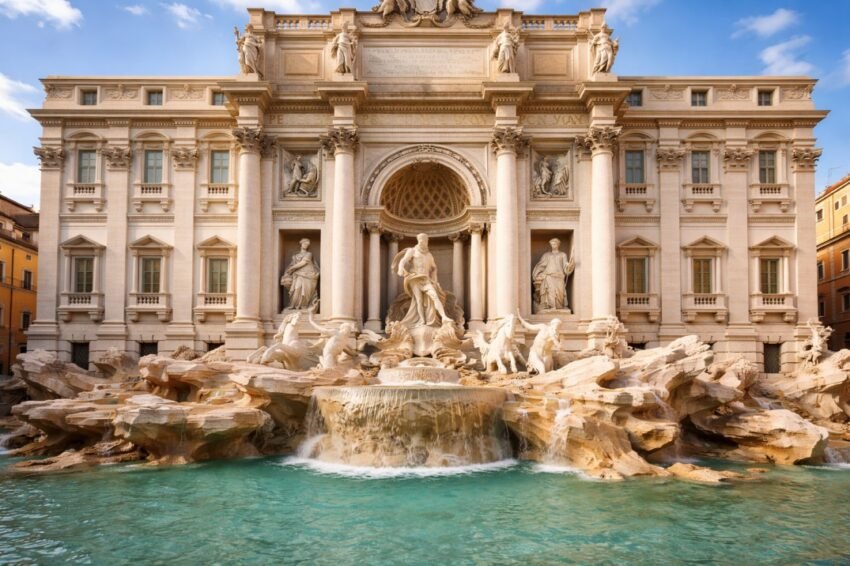
Italy Introduces Trevi Fountain Access Fee as Rome Redefines Sustainable Tourism in Europe

In Rome, one of the most celebrated travel destinations in Italy, a notable change is set to reshape how visitors experience a world-famous landmark. The Trevi Fountain, long regarded as an unmissable highlight of European travel, will soon be subject to a modest tourist fee for close-up daytime access. This development reflects a growing emphasis on sustainable tourism practices across Europe, where historic cities are being challenged by unprecedented visitor numbers. While the piazza surrounding the fountain will remain freely accessible, controlled entry near the basin has been planned to ensure better crowd flow and long-term preservation. The decision has been framed not as a revenue-generating move but as a practical response to increasing congestion and physical strain on one of Italy’s most treasured monuments. As global travel rebounds and international tourism continues to surge, Rome’s approach is being viewed as a potential model for other destinations balancing openness with protection. The enduring allure of the Trevi Fountain, shaped by history, ritual, and popular culture, remains undiminished, yet its future experience is being carefully recalibrated for generations of travelers to come.
Rome’s New Access Fee Policy Explained
A new visitor management system has been announced for the Trevi Fountain in Rome, Italy, with implementation scheduled from February 1, 2026. Under this plan, tourists seeking access to the viewing area closest to the fountain will be required to pay a fee of €2, approximately Rs 210. The charge will apply daily between 9 am and 9 pm, a period identified as experiencing the highest footfall. Outside these hours, particularly late in the evening and at night, close access is expected to remain unrestricted due to reduced crowd density.
The surrounding piazza will continue to be open to the public at all times, ensuring that visitors can still admire and photograph the fountain without payment. Rome residents will be exempt from the fee, reinforcing the city’s intent to prioritize local access while managing tourism pressure. This approach reflects broader tourism trends across Europe, where selective access controls are increasingly being used to protect cultural heritage sites.
Crowd Management Rather Than Revenue Generation
According to city authorities, the primary objective of the access fee is crowd regulation rather than financial gain. During peak hours, thousands of visitors converge on the narrow streets leading to the Trevi Fountain, often creating bottlenecks and safety concerns. By limiting the number of people allowed near the water’s edge at any given time, smoother movement through the area is expected to be achieved.
The measure has been positioned as a tool to enhance visitor experience by reducing overcrowding, improving safety, and minimizing physical contact with the structure. Similar strategies have already been adopted at other popular European attractions, signaling a shift in how mass tourism is being managed across Italy and beyond.
Historical Significance of the Trevi Fountain
The Trevi Fountain holds a unique place in the architectural and historical narrative of Rome, Italy. Completed in 1762, it was the final monumental project connected to the ancient Aqua Virgo aqueduct, originally constructed in 19 BCE. Remarkably, this aqueduct continues to supply water to the fountain today, making it one of the oldest continuously functioning water systems in the world.
Designed in the dramatic Baroque style, the fountain is seamlessly integrated into the facade of Palazzo Poli rather than standing as an independent structure. At its center stands Oceanus, framed by a grand arched niche and accompanied by statues symbolizing abundance and health. The cascading water, sculpted rocks, and theatrical composition were intended to transform a practical water source into an urban spectacle, reinforcing Rome’s identity as a city where utility and artistry coexist.
Rituals That Shaped a Global Attraction
While the Trevi Fountain has always been an important civic landmark, its transformation into a global tourism icon occurred over time. One of the most enduring traditions associated with the site is the act of tossing a coin over one shoulder into the basin, a gesture believed to ensure a return to Rome. This ritual has turned the fountain into an interactive experience rather than a passive monument.
Today, an estimated one to one-and-a-half million euros are collected from the basin each year. These funds are donated to charitable causes, adding a philanthropic dimension to a simple tourist tradition. The ritual has become deeply embedded in the collective imagination of travelers visiting Italy, reinforcing the fountain’s emotional appeal.
Influence of Cinema and Popular Culture
The fame of the Trevi Fountain has been further amplified through cinema and popular culture. Appearances in classic films, television series, books, and other media have cemented its status as a symbol of romance, nostalgia, and first-time travel to Italy. For many visitors, a trip to Rome is considered incomplete without witnessing the fountain in person.
Through repeated representation in global media, the Trevi Fountain has transcended its architectural significance to become a shared cultural reference point. This widespread recognition has played a major role in driving visitor numbers, particularly among international tourists exploring Europe for the first time.
Tourism Pressure in Modern Rome
As international travel has expanded, Rome has faced increasing challenges related to overtourism. The Trevi Fountain, located within a compact urban setting, has been particularly affected. Narrow streets, limited space, and constant foot traffic have placed pressure on both infrastructure and local communities.
The introduction of a controlled access system is being viewed as part of a broader strategy to protect Rome’s historic fabric while maintaining its appeal as a global tourism destination. By addressing congestion at one of Italy’s busiest landmarks, city officials aim to set a precedent for more balanced tourism management across Europe.
Balancing Access and Preservation
The new fee structure reflects a delicate balance between openness and conservation. The Trevi Fountain will not be transformed into a closed attraction, nor will spontaneous visits be eliminated. Instead, access to the most sensitive area will be regulated during peak hours to reduce wear on stonework and surrounding surfaces.
This measured approach underscores a growing recognition that heritage preservation and tourism must coexist sustainably. As climate change, urban stress, and mass travel continue to impact historic cities, adaptive solutions such as timed access and modest fees are increasingly being explored in Italy and other European nations.
What the Change Means for Travelers
For travelers planning a visit to Rome, the introduction of the access fee is expected to have minimal financial impact while potentially improving the overall experience. Reduced crowding near the fountain may allow for better views, easier movement, and a more respectful engagement with the site.
The continued availability of free access to the wider piazza ensures inclusivity, while off-peak visits remain an attractive option for budget-conscious travelers. This flexibility aligns with evolving travel preferences, where quality of experience is increasingly valued over unrestricted access.
A Symbol Adapting to the Future
The Trevi Fountain has endured for centuries as a symbol of Rome, Italy, and European cultural heritage. Its ability to adapt to modern challenges without losing its essence highlights the resilience of historic landmarks in an era of mass tourism.
As Rome implements this new policy, the Trevi Fountain continues to represent not only artistic grandeur and tradition but also a forward-looking approach to sustainable travel. For visitors from around the world, the experience of standing before this iconic monument remains a powerful reminder of Italy’s enduring appeal within the global tourism landscape.
The post Italy Introduces Trevi Fountain Access Fee as Rome Redefines Sustainable Tourism in Europe appeared first on Travel And Tour World.