Lisbon’s Historic Glória Funicular Derails, Resulting in 17 Fatalities and Dozens of Injuries: What You Need to Know
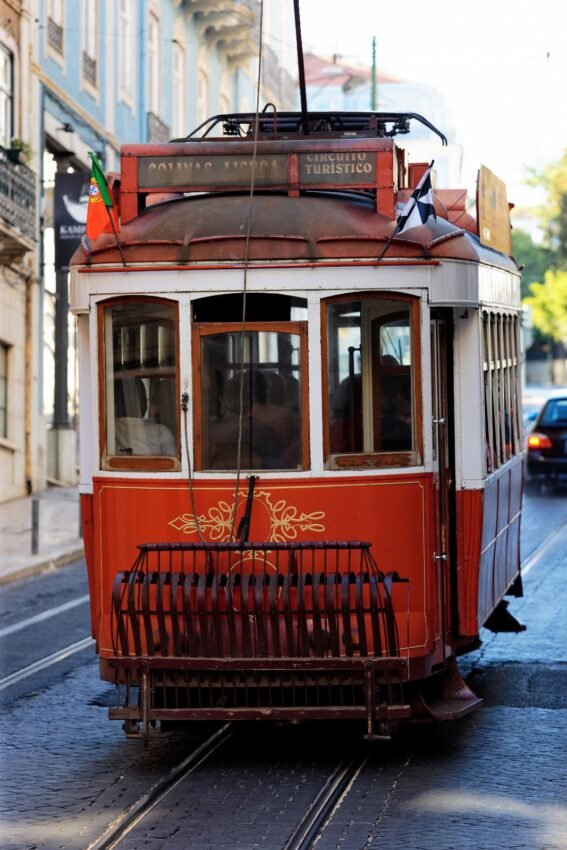

A devastating accident occurred in Lisbon, Portugal, on September 4, 2025, when the historic Glória Funicular, a beloved transportation icon, derailed, resulting in significant casualties. This tragic event unfolded during the height of the tourist season, shocking both locals and visitors to the Portuguese capital. The Glória Funicular, known for its century-old heritage and charm, is one of Lisbon’s most famous landmarks. It carries thousands of passengers each year, offering a scenic view of the city’s hilly landscape. Unfortunately, its derailment due to a snapped traction cable has led to a severe loss of life and prompted immediate safety measures from city authorities.
Incident Overview:
The Glória Funicular, a historic transportation service established in 1885, derailed after its traction cable snapped while traveling down a steep incline. The accident occurred during the morning rush hour when the funicular was packed with passengers. The lack of brakes contributed to the loss of control, and the vehicle hurtled down the slope at alarming speeds before slamming into a building. The crash resulted in a horrific impact, causing the carriage to shatter on collision.
Key Details:
- Fatalities: At least 17 dead, with 23 more injured.
- Foreign Nationals Affected: Among the injured are tourists, including two Spaniards and three Germans.
- Cause of Accident: The traction cable snapped, and eyewitness reports suggest the absence of brakes contributed to the disaster.
- Rescue Operations: Emergency services worked tirelessly for hours to rescue victims from the wreckage.
- Suspension of Service: All other Lisbon funiculars, including Bica and Lavra, have been temporarily suspended for safety checks.
- Historical Significance: The Glória Funicular is classified as a national monument and is one of Lisbon’s oldest and most beloved transport icons.
The impact of the incident reverberates far beyond Lisbon’s steep hills, bringing into question the safety standards of historical transportation infrastructure. The accident is a reminder of the unpredictable risks inherent in transporting large numbers of people through challenging urban landscapes.
The Glória Funicular: Lisbon’s Historic Gem
The Glória Funicular has been an iconic part of Lisbon’s transportation system for over 130 years. Built in 1885, it connects the bustling lower part of the city to the hilltop Bairro Alto district, offering locals and tourists an easy way to navigate Lisbon’s notoriously steep inclines. The funicular is not just a mode of transport but an integral part of the city’s heritage, often drawing tourists eager to experience Lisbon from a unique vantage point.
This century-old transport system has long been a favorite among visitors who wish to witness Lisbon’s dramatic hillsides while traveling in a vintage-style carriage. The Glória Funicular has long been celebrated for its engineering, linking the city’s iconic Avenida da Liberdade with the scenic Miradouro de São Pedro de Alcântara, one of Lisbon’s most popular viewpoints.
Over the years, the Glória Funicular has been recognized for both its historic value and its contribution to the city’s modern-day charm, operating alongside other funiculars like Bica and Lavra. Together, these funiculars offer a way for locals and tourists to explore Lisbon in an authentic, time-honored manner.
The Accident: A Sudden and Tragic Event
On the fateful morning of September 4, 2025, the Glória Funicular was carrying a large number of passengers, as is typical during the busy tourist season. Suddenly, disaster struck when the traction cable, which powers the funicular, snapped. Eyewitnesses report that the lack of functioning brakes on the vehicle led to a dangerous and uncontrollable descent down the steep incline.
As the carriage plunged downward, it gained speed rapidly, reaching a terrifying pace. The force of the crash when the vehicle hit a nearby building was immense, resulting in the complete destruction of the funicular carriage. The harrowing scene left many injured and several dead at the site.
Immediate Response: Rescue and Recovery
Rescue teams arrived quickly, working tirelessly to extract victims from the wreckage of the funicular. Due to the severity of the damage, emergency workers faced considerable challenges, as the debris had trapped passengers inside the shattered vehicle. Among the injured were foreign nationals, with reports confirming that two Spaniards and three Germans were among those hurt.
The swift actions of local emergency services saved several lives, but unfortunately, the damage was too severe for others to survive. At the moment, the death toll stands at 17, with 23 more receiving treatment for injuries. Local authorities have warned that the number of casualties may rise as recovery efforts continue.
Lisbon’s Funiculars: Impact of the Incident
Following the tragic derailment of the Glória Funicular, authorities in Lisbon immediately suspended operations for all other funiculars in the city, including the Bica and Lavra lines. This decision was made in light of safety concerns and the need to conduct thorough safety inspections on the remaining funiculars. These systems, although operational for decades, will undergo stringent checks to ensure the safety of passengers.
This accident casts a shadow over the future of Lisbon’s historic funiculars. Although they are beloved by locals and tourists alike, the Glória Funicular tragedy may prompt deeper scrutiny of their safety protocols and the potential for modernizing these antiquated systems.
The Legacy of the Glória Funicular: A National Treasure
The Glória Funicular is more than just a mode of transport—it is a historical landmark. It has been integral to Lisbon’s landscape for over a century and is classified as a national monument. The Glória Funicular’s vintage design and historical significance make it an iconic symbol of the city, cherished not only by residents but also by tourists who use it to experience the beauty and charm of Lisbon.
Built in 1885, the funicular was originally designed to help alleviate the challenges of navigating Lisbon’s steep hills. Over the years, the Glória Funicular became a cherished fixture, offering breathtaking views of the city, including the São Jorge Castle and the Tagus River. As the funicular chugged up and down the hillsides, passengers were treated to scenic vistas, making it a unique and memorable travel experience.
For many, the Glória Funicular has been a rite of passage, a must-do attraction for those visiting the Portuguese capital. Its vintage carriages and nostalgic appeal have made it one of Lisbon’s top tourist attractions. However, with this tragedy, there is now a significant question about the future of Lisbon’s historic funiculars and the role they will continue to play in the city’s transport system.
Response from Authorities and the Public
In response to the incident, Lisbon authorities have pledged to investigate the cause of the Glória Funicular derailment thoroughly. The focus of the inquiry will likely include an examination of the funicular’s maintenance history, the technical failure of the traction cable, and the safety features in place, including the braking system.
Authorities have also confirmed that they will be working closely with local and national safety agencies to ensure that such an event does not occur again. The safety inspection of the remaining funiculars will be a top priority, and there will likely be a push for more modern, reliable systems to replace or overhaul the aging infrastructure.
This tragic event has also prompted an outpouring of sympathy and solidarity from the people of Lisbon, as well as from the international community. While the Glória Funicular remains a symbol of the city’s charm and historical appeal, it is clear that the city must now focus on ensuring that the safety of its transportation systems is prioritized moving forward.
Conclusion: The Road Ahead for Lisbon’s Historic Funiculars
The tragic accident involving Lisbon’s Glória Funicular serves as a stark reminder of the potential dangers inherent in historic transportation systems. The incident has not only taken the lives of many but has also shaken the confidence of residents and tourists alike in Lisbon’s transport infrastructure.
As the city grapples with this tragedy, the future of Lisbon’s funiculars remains uncertain. However, one thing is clear: the city will have to re-evaluate its aging transportation systems, implementing modern safety measures while preserving the historic charm that makes Lisbon such a unique destination.
In the meantime, the Glória Funicular, which has served Lisbon for over a century, remains a beloved part of the city’s landscape, and its legacy will live on, even as the city recovers from this devastating event.
The post Lisbon’s Historic Glória Funicular Derails, Resulting in 17 Fatalities and Dozens of Injuries: What You Need to Know appeared first on Travel And Tour World.