Middle East Travel Chaos Deepens as Saudi Arabia, UAE, Jordan, Oman, Bahrain and More Record 428 Flight Delays and 11 Cancellations by Saudia, Emirates, Qatar Airways, Flydubai, Royal Jordanian and others, Stranding Passengers in Riyadh, Jeddah, Dubai, Abu Dhabi, Seeb and Beyond
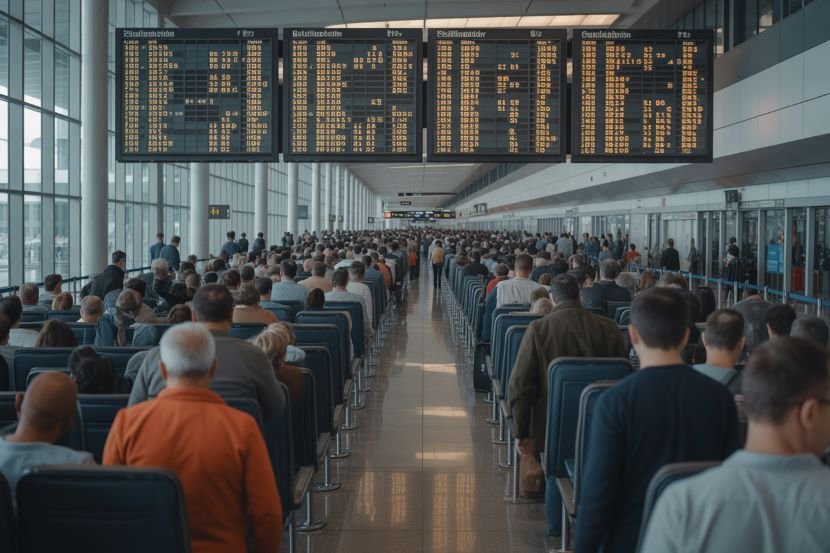

The Middle East is in the midst of a massive air travel crisis, as airports across Saudi Arabia, the UAE, Jordan, Oman, Bahrain, and Qatar experience unprecedented flight delays and cancellations. A total of 428 flight delays and 11 cancellations have been reported, with major airlines such as Saudia, Emirates, Flydubai, Qatar Airways, and Royal Jordanian bearing the brunt of the disruptions. As a result, thousands of passengers are stranded at key airports, including Riyadh, Jeddah, Dubai, Abu Dhabi, Seeb, and other regional hubs.
Key Airports Affected: A Breakdown
The disruptions have affected airports in some of the region’s busiest cities, with varying levels of delays and cancellations across each location. Let’s take a closer look at the impact on individual airports:
- Queen Alia International Airport (AMM), Jordan: This major airport faced 14 delays and 6 cancellations, with Royal Jordanian leading the charge on the cancellations. Passengers have been enduring long waits as the situation shows no signs of immediate improvement.
- Dubai International Airport (DXB), UAE: Dubai’s busiest hub, a key transit point for both international and regional travelers, has been significantly impacted with 105 delays and 1 cancellation. Emirates and Flydubai have struggled to manage the mounting delays, causing ripple effects across connecting flights.
- Sharjah International Airport (SHJ), UAE: Despite facing 28 delays, Sharjah managed to avoid cancellations, though the delays still left passengers stranded at the airport for hours, waiting for connecting flights that never arrived on time.
- King Khalid International Airport (RUH), Saudi Arabia: Riyadh’s airport saw 43 delays and 1 cancellation, causing frustration among both business and leisure travelers who depend on this airport for regional and international connections.
- King Abdulaziz International Airport (JED), Saudi Arabia: Jeddah, a crucial gateway for Hajj and Umrah pilgrims, also struggled with 102 delays and 1 cancellation, which compounded the difficulties for those traveling for religious purposes during this peak season.
- Seeb International Airport (MCT), Oman: While Seeb avoided cancellations, it recorded 20 delays, leaving passengers in a state of uncertainty as they awaited further updates on their flights.
- Hamad International Airport (DOH), Qatar: Qatar’s primary hub, Hamad International, suffered 50 delays without any cancellations. Qatar Airways, one of the region’s largest carriers, has been scrambling to address the impact of these delays.
- Abu Dhabi International Airport (AUH), UAE: Abu Dhabi faced 38 delays but managed to avoid cancellations. Passengers traveling on Etihad Airways and other carriers found themselves at the mercy of long wait times.
- Bahrain International Airport (BAH): Bahrain recorded 14 delays and 2 cancellations, with Gulf Air taking the brunt of the operational issues. This has severely impacted both regional connections and long-haul flights.
- Kuwait International Airport (KWI): Kuwait’s airport was not immune to the chaos, recording 14 delays without cancellations. This situation has led to significant disruptions for travelers heading in and out of Kuwait.
What’s Behind the Chaos?
Several factors are believed to have contributed to the massive disruptions across the region’s airports:
- Weather Conditions: Unpredictable weather, including thunderstorms and poor visibility, has been a major factor behind the delays. Such conditions often lead to airport closures or restrictions, forcing airlines to delay or cancel flights.
- Air Traffic Congestion: The Middle East’s role as a major international air travel hub, combined with increasing passenger traffic, has led to congestion at airports. The delays in take-offs and landings have added to the chaos, as airlines struggle to accommodate the growing number of flights in and out of key airports.
- Operational Strains: Airlines and airports have also experienced operational strains. The high volume of flights and the limited number of available gates, runways, and ground crew have contributed to extended waiting times. Airport ground services, such as refueling and baggage handling, have been stretched thin.
- Staff Shortages and Labor Issues: Though not explicitly confirmed, there are signs that labor shortages and staffing issues at certain airports may have exacerbated the situation. Airlines and airports have been forced to rely on reduced personnel, impacting the speed of turnaround times for flights.
- Aircraft Maintenance and Technical Problems: Aircraft maintenance issues have caused additional delays, as planes are grounded for repair or checks before they can continue their journeys. This is especially prevalent in busy airports like Dubai International and Riyadh’s King Khalid International Airport.
Impact on Passengers: Stranded Across the Region
The flight delays and cancellations have left passengers stranded in multiple airports, with some travelers waiting for extended periods. Key hubs like Dubai, Riyadh, and Jeddah have witnessed significant overcrowding, as passengers with missed connections and rescheduled flights seek alternative arrangements. The ripple effect has caused further delays in the broader travel network, adding to the frustrations of travelers trying to get out of the region.
In Dubai, where Emirates operates one of its largest hubs, the disruption has been particularly noticeable. With 105 flight delays and 1 cancellation, many passengers have been forced to seek accommodation at the last minute, while others have missed their onward connections. Travelers have expressed frustration at the lack of timely updates and assistance from airport and airline staff.
In Riyadh, King Khalid International Airport has faced 43 delays and 1 cancellation, stranding travelers from all over the world. Saudi nationals, business travelers, and international passengers have been caught in the chaos, with some being delayed for more than 10 hours. The situation at Jeddah’s King Abdulaziz International Airport has been equally challenging, with 102 delays and 1 cancellation, affecting passengers bound for destinations in Europe, Asia, and beyond.
What Passengers Should Do
Travelers who find themselves affected by flight delays or cancellations in the Middle East should take the following steps:
- Stay Updated: Passengers should regularly check their airline’s website and social media channels for updates on the status of their flight. Most airlines provide real-time updates on delays, cancellations, and rebooking options.
- Contact the Airline: For those facing cancellations, contacting the airline directly will be necessary to understand rebooking options and compensation eligibility.
- Know Your Rights: Passengers have legal rights in case of significant flight delays and cancellations, including compensation for food, accommodation, and transport. Familiarize yourself with your airline’s passenger rights policy.
- Prepare for Delays: When traveling during peak seasons, it is wise to factor in extra time to accommodate potential delays. Bringing snacks, entertainment, and necessary documents will help passengers stay comfortable while waiting.
Conclusion
The Middle East’s flight disruption crisis has had a far-reaching impact on travelers across Saudi Arabia, the UAE, Jordan, Oman, Bahrain, and Qatar. With 428 delays and 11 cancellations recorded, passengers have been left stranded at airports such as Riyadh, Dubai, Abu Dhabi, Seeb, and Jeddah, grappling with overcrowding and uncertainty. Airlines like Saudia, Emirates, Flydubai, and Qatar Airways are working to manage the situation, but the chaos continues to challenge the region’s air travel infrastructure.
Source: Different airports and FlightAware
The post Middle East Travel Chaos Deepens as Saudi Arabia, UAE, Jordan, Oman, Bahrain and More Record 428 Flight Delays and 11 Cancellations by Saudia, Emirates, Qatar Airways, Flydubai, Royal Jordanian and others, Stranding Passengers in Riyadh, Jeddah, Dubai, Abu Dhabi, Seeb and Beyond appeared first on Travel And Tour World.