Now Barcelona Set To Join Venice, Bali, Maldives, Hawaii and New Zealand to Swell Tourist Tax for Sustainability in 2025, What You Really Need To Know
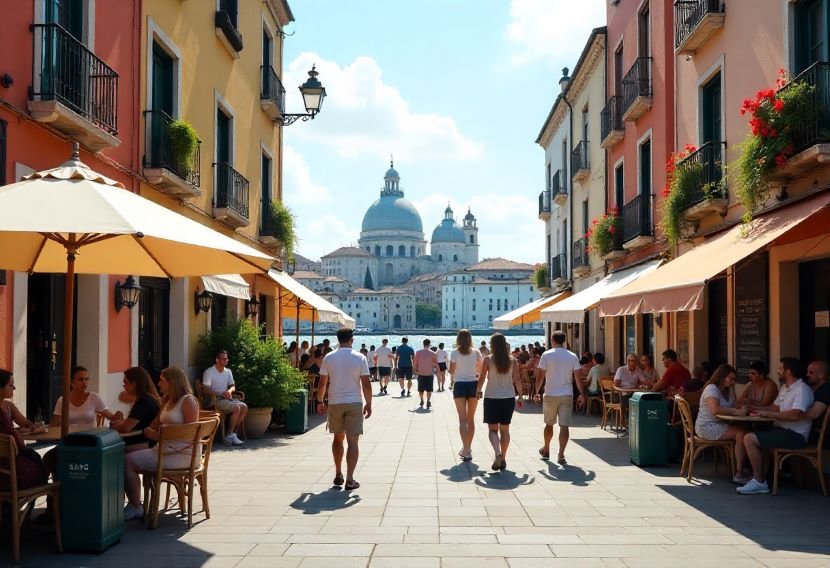

In recent months, several popular tourist destinations, including Barcelona, Venice, Bali, and the Maldives, have announced plans to double their tourist taxes by 2025. While each destination has different reasons for implementing these changes, the common thread is the desire to manage the increasing pressures of overtourism and ensure a more sustainable future for both residents and visitors.
Barcelona, one of Europe’s most iconic tourist destinations, has announced plans to double its tourist tax by 2029. The local authorities are ramping up efforts to regulate mass tourism in the city, aiming for a balance that benefits both residents and visitors. While this move has sparked concern among tourists, the city’s administration stresses that it is a necessary step to manage the growing pressures of tourism, ensure sustainability, and improve the quality of life for its residents.
What’s Changing for Tourists in Barcelona?
As part of the city’s commitment to managing its tourism sector, Barcelona plans to gradually raise its tourist tax surcharge by €1 per year until it reaches €8 per night in 2029, which is nearly double the current tax rate. The change is expected to affect tourists staying in the city starting next year, with visitors from the UK potentially paying €5 for their stay in 2024.
The new tax will be applied per person per night, specifically targeting tourists who choose to stay in accommodations like hotels, hostels, and short-term rentals. While the change won’t affect travelers immediately, it will likely impact planning for those who have Barcelona trips scheduled over the coming years.
Catalan Tourist Tax: What’s the Difference?
This tax increase is distinct from the Catalan tourist tax, which is already in place and varies based on accommodation type and length of stay. The current surcharge for staying in five-star hotels is about €7 per night, which could rise to as much as €15 by 2029. For most tourists, this could mean a more substantial tax burden, especially if staying in higher-end hotels or for extended periods.
The Catalan government’s tourism taxes already differ based on the category of accommodation and the length of stay, with various tiers applied across the region. High-end accommodations could see the steepest increase in the coming years, making it essential for future travelers to consider both the general tourist tax and the Catalan surcharge when budgeting for their trips.
Why the Change?
The decision to increase the tourist tax was passed by the Barcelona City Council, with support from the ruling Socialist Party and Barcelona en Comú. The city’s leadership believes this initiative will ease the financial pressure on residents, who have increasingly voiced concerns over overcrowding and the strains placed on local infrastructure. By redistributing the funds raised through these taxes, Barcelona aims to invest in the Tourism Reinvestment Fund, which will focus on projects designed to reduce the negative impacts of tourism on the city’s environment and daily life.
Jordi Valls, Barcelona’s Deputy Mayor for Economy and Tourism, emphasized that the city recognizes tourism as vital to its economy but stressed the importance of managing it responsibly. The goal is to ensure that tourism enhances the quality of life for residents and remains sustainable in the long run.
How Will This Impact Business Travel and Tourists?
Business travelers to Barcelona will also feel the effects of the tax hikes, especially those staying in high-end hotels. As corporate rates increase to accommodate the growing tax burden, companies may need to reconsider their travel budgets or opt for less expensive accommodation options to minimize costs.
For regular tourists, the added surcharge could affect their overall travel plans. While the city’s famed attractions like the Sagrada Familia, Park Güell, and the Barri Gòtic will continue to draw crowds, the increased tax may discourage some potential visitors, particularly those on a tight budget.
Quick Tips for Tourists Visiting Barcelona
- Book in Advance: With the anticipated tax hikes and busy seasons ahead, securing accommodation early can help you lock in current rates before taxes increase.
- Consider Alternative Accommodations: If the rising hotel costs are a concern, consider staying in guesthouses, hostels, or short-term rentals where the tourist tax may be lower.
- Look for Deals: Many hotels offer discounts for longer stays, so consider booking for multiple nights if you plan to stay in the city for an extended period.
- Budget for the Extra Tax: Include the potential surcharge in your travel budget to avoid any surprises. Factor in both the Catalan tax and the new city surcharge for an accurate cost estimate.
- Explore Off-Peak Travel Times: To avoid paying the highest surcharges and enjoy fewer crowds, consider visiting Barcelona during the off-peak seasons.
The Future of Tourism in Barcelona
Barcelona’s tourist tax hike is part of a broader trend in European cities addressing the challenges of overtourism. Cities like Venice, Amsterdam, and Paris have implemented or are considering similar measures, reflecting a growing need to find a balance between welcoming tourists and preserving the quality of life for residents.
For Barcelona, this is just the beginning. The Tourism Reinvestment Fund, slated for introduction in 2026, will be used to finance projects aimed at mitigating the environmental impact of tourism and improving conditions for local communities. As these measures are implemented, they will help guide Barcelona toward a more sustainable tourism model.
Other Countries to Rise Tourist Tax
Spain: Catalonia Region
In May 2025, the Catalonia region doubled its tourist tax rates. The new rates range from €1.20 to €6 per person per night, depending on the type of accommodation. This increase is part of a broader effort to manage tourism’s impact on local communities and infrastructure.
Italy: Venice
Venice has implemented a €5 entry fee for day-trippers, which will increase to €10 for visitors who fail to prepay at least four days before arrival. The number of days the tax is applicable has expanded from 1 to 54, including weekends. These changes aim to alleviate pressure on the city’s tourism infrastructure.
Thailand: Bali
Indonesia introduced a tourist tax for travelers visiting Bali starting February 14, 2024. The fee is 150,000 IDR per person, approximately £7.60 or $9.60. This measure is part of efforts to manage tourism and its environmental impact.
Maldives
As of January 1, 2025, the Maldives doubled its ‘green tax’ from $6 to $12 per night per person. This applies to tourists staying in larger resorts, hotels, and guesthouses with more than 50 rooms. The tax aims to support green initiatives and sustainable tourism development.
New Zealand
New Zealand announced it is nearly tripling its visitor fee, introduced in 2019, from NZ$35 to NZ$100, starting October 1, 2024. This fee applies to international visitors and aims to ensure they contribute to public services and conservation efforts.
Greece
Greece increased its tourism tax as of January 1, 2025. The tax varies depending on the type of accommodation and the time of year. Travelers should plan to pay an increased tourism tax depending on their accommodations.
Bali, Indonesia
Bali introduced a tourist tax for travelers visiting the island starting February 14, 2024. The fee is 150,000 IDR per person, approximately £7.60 or $9.60. This measure is part of efforts to manage tourism and its environmental impact.
United States: Hawaii
Hawaii is considering legislation to increase fees on foreign visitors to national parks. The proposed fees aim to address shortfalls in the National Park Service budgets and maintenance backlogs.
Tips for Travelers
- Budget for Additional Costs: When planning your trip, include the increased tourist taxes in your budget to avoid surprises.
- Book in Advance: Some destinations offer discounts for early bookings, which can help offset the cost of higher taxes.
- Travel Off-Peak: Visiting during off-peak seasons can sometimes result in lower taxes and fewer crowds.
- Stay Informed: Check the official tourism websites of your destination for the most up-to-date information on tourist taxes and fees.
As more destinations implement or increase tourist taxes, it’s essential for travelers to stay informed and plan accordingly. These measures aim to promote sustainable tourism and ensure that the benefits of tourism are shared with local communities. By understanding and adapting to these changes, travelers can continue to enjoy their favorite destinations responsibly.
Final Thoughts for Travelers
As Barcelona’s tourist tax continues to rise, visitors will need to plan their trips more carefully, factoring in the additional costs of their stay. However, these changes are a sign of the city’s commitment to preserving its cultural heritage, infrastructure, and the well-being of its residents.
While it might seem like an inconvenience, the measures taken by Barcelona’s local authorities highlight the city’s dedication to long-term sustainability. Tourists can still enjoy everything this stunning city has to offer, with a little extra preparation and an understanding of the costs involved.
In the end, these taxes aim to ensure that future generations can continue to explore and experience the marvels of Barcelona without sacrificing the quality of life of its residents.
The post Now Barcelona Set To Join Venice, Bali, Maldives, Hawaii and New Zealand to Swell Tourist Tax for Sustainability in 2025, What You Really Need To Know appeared first on Travel And Tour World.