Overcoming Barriers To Inclusive Traveling: A Push For Solutions In Business Travel For People With Disabilities
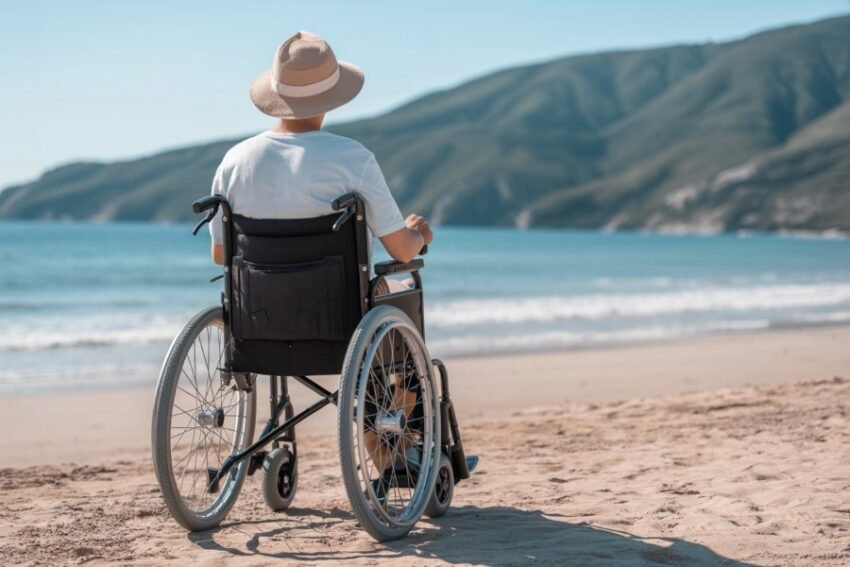

Business travelers with disabilities still face many barriers that make traveling difficult. Even with improvements in accessibility, many experience issues like lost or damaged mobility equipment during transit.
These problems were discussed at a 2025 conference held by the Advantage Travel Partnership and the Business Travel Association in London. Baroness Tanni Grey-Thompson, a politician and former Paralympian, shared her frustrating experience of having her wheelchair lost during a trip. It was returned months later, but it was damaged.
These personal accounts shed light on a larger issue. A survey by MMGY Intelligence, conducted in partnership with the European Network for Accessible Tourism and the World Travel & Tourism Council, revealed that more than 80% of travelers with disabilities faced significant challenges, including damaged equipment and long waits for assistance.
The report surveyed travelers from France, Germany, Italy, Spain, and the UK, highlighting the urgent need for better solutions.
Growing Awareness And Positive Steps Towards Change
Despite the ongoing issues, there are positive signs that change is underway. In June 2025, the UK Civil Aviation Authority released an accessibility report detailing improvements at several airports. Notably, for the second consecutive year, no UK airports were rated as poor in terms of accessibility.
The report revealed that five airports, previously categorized as needing improvement, were now classified as good or even very good.
Moreover, the number of passengers requesting assistance at UK airports has increased significantly, rising from 0.94% in 2010 to 1.9% in 2024. This surge may reflect a larger, aging population, but it also indicates that people with disabilities are traveling more frequently and pushing for greater accessibility.
Increasing Regulatory Attention And New Legislation
The UK government has shown increasing commitment to addressing the needs of travelers with disabilities. In July 2025, it welcomed a report by the Aviation Accessibility Task and Finish Group, led by Baroness Grey-Thompson.
The report includes 19 key recommendations aimed at improving accessibility, including mandatory training for aviation staff by people with disabilities and clearer guidelines for booking assistance and transporting mobility aids.
In the European Union, the European Accessibility Act (EAA) came into effect in June 2025, mandating that businesses comply with strict accessibility standards for websites and self-service terminals.
The EAA aims to ensure that all digital services, from flight bookings to hotel reservations, are accessible to people with disabilities. E-commerce services, including those in corporate travel, must meet these guidelines to provide accessible experiences.
Technological And Corporate Solutions To Promote Inclusive Business Travel
Event management companies and corporate travel providers are also stepping up to enhance accessibility. An event technology company has developed templates to help clients make their tools more accessible in line with the EAA.
They have also released a guide to help meetings buyers and planners design events that cater to the 25% of attendees who may need special accommodations, including those with mobility and neurodivergent needs.
Additionally, the Institute of Travel Management (ITM) has launched the “Building an Inclusive Travel Programme” guide, which offers recommendations in three key areas: policy, people, and process.
This guide helps companies create more accessible travel programs for employees with disabilities, promoting a more inclusive and supportive approach to corporate travel.
Encouraging Action From Business Travel Managers
Travel managers play a crucial role in driving the shift towards inclusive travel. The ITM’s Inclusive Travel Taskforce provides practical advice to help companies integrate accessibility into their travel policies without significantly increasing costs.
Kayleigh Rogers, inclusive travel lead for Amex GBT Consulting, emphasized the need for flexibility in policies, stating that travel managers should be prepared to offer assistance tailored to individual needs rather than relying on a one-size-fits-all approach.
Rogers highlighted that making small changes, such as offering examples of accessible options or providing extra support for travelers with specific needs, can go a long way in improving inclusivity without adding substantial costs.
Furthermore, travel managers are urged to use their collective influence to push suppliers and service providers to take accessibility more seriously.
A Future Of More Inclusive Business Travel
The future of business travel for people with disabilities is slowly getting better. While there are still challenges, recent improvements in airport accessibility, changes in regulations, and the launch of more inclusive travel programs show a move toward fairer travel experiences.
The continued teamwork among travel managers, businesses, and regulatory bodies is helping make the travel industry more inclusive and accessible for everyone.
The post Overcoming Barriers To Inclusive Traveling: A Push For Solutions In Business Travel For People With Disabilities appeared first on Travel And Tour World.