Pakistan Adopts AI-Powered Solutions for Sustainable Tourism, Managing Growth and Protecting Ecosystems While Supporting Local Economies
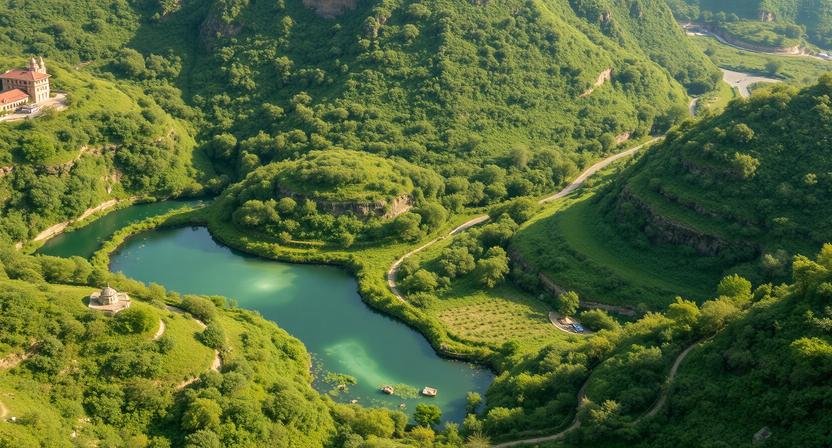

Northern parts of Pakistan, especially the hilly regions of Gilgit-Baltistan and Chitral, have seen a substantial increase in tourism activity over the last decade or so. This increase can be attributed to better road infrastructure and exposure to modern technologies like social media, as well as an increased interest in adventure and eco-tourism activities. This has led to thousands of tourists visiting these regions, including Hunza Valley, Skardu, and Chitral.
To mitigate these issues, sustainable tourism development is an immediate need in the region. In this regard, artificial intelligence can play an important role in managing tourism activities in the region while protecting the ecosystem at the same time. This can be done by incorporating modern technologies into tourism activities in the region, leading to what is called “Smart Tourism” in the context of sustainable tourism development.
Smart Tourism in Northern Pakistan: Using AI to Manage Growth
Smart tourism refers to the use of advanced technologies—such as data analytics, machine learning, and digital platforms—to enhance the efficiency and sustainability of tourism destinations. These technologies can play a transformative role in managing tourism growth in emerging destinations like northern Pakistan. With AI-driven insights into visitor flows, tourism trends, and environmental monitoring, these tools help ensure that tourism activities do not overwhelm local resources or cause irreversible damage to ecosystems.
AI technologies can help achieve sustainable tourism growth by providing solutions that balance visitor management, environmental conservation, and local economic development. By adopting these tools, northern Pakistan can create a framework for responsible tourism that aligns with both the demands of travelers and the preservation of its natural beauty.
AI-Powered Travel Planning for Safer, More Efficient Journeys
One of the most immediate applications of artificial intelligence in tourism is intelligent travel planning. AI-powered platforms can analyze various factors such as weather patterns, seasonal trends, road conditions, and accommodation availability to help travelers design safer, more efficient itineraries. In mountainous regions like Gilgit-Baltistan, where landslides, road closures, and unpredictable weather can disrupt travel, AI tools can provide real-time updates and suggest alternative routes. This improves tourist safety and overall travel management while reducing the pressure on vulnerable ecosystems.
AI can also provide insights into the best travel windows for high-altitude destinations like Khunjerab Pass or trekking routes near K2, helping to manage peak visitor times. By reducing overcrowding in certain areas, AI contributes to sustainable tourism growth, allowing visitors to explore remote destinations without overburdening local infrastructure or ecosystems.
Managing Seasonal Overcrowding with AI
One of the significant challenges in northern Pakistan’s popular tourist destinations is seasonal overcrowding. In the summer months, places like Hunza and Skardu experience a surge of visitors, resulting in traffic congestion, waste management issues, and environmental degradation. AI can help tourism authorities manage these challenges through visitor flow analysis.
By using data from hotel bookings, transportation systems, and mobile location signals, AI can provide real-time estimates of tourist volumes and predict peak travel periods. With this information, authorities can implement smart visitor management strategies such as:
- Staggered entry systems to prevent overcrowding at popular sites
- Digital permits to control visitor numbers in sensitive areas
- Awareness campaigns to promote less-visited destinations
This type of data-driven management ensures that tourism is distributed more evenly across regions, which not only reduces environmental impact but also boosts local economies in lesser-known areas, contributing to the sustainable growth of the tourism sector.
AI for Environmental Protection and Monitoring
The environmental protection of northern Pakistan’s unique landscapes, including glaciers, alpine forests, and wildlife habitats, is a top priority. Tourism, if not properly managed, can lead to deforestation, littering, and unregulated construction, causing significant environmental damage.
AI technologies can assist in environmental monitoring by analyzing satellite imagery and drone-collected data. These systems can:
- Identify illegal construction or encroachment in protected areas
- Track glacier movements and environmental changes
- Monitor waste accumulation in high-traffic tourist spots
By detecting environmental threats early, AI enables authorities to implement preventative measures before significant damage occurs. This proactive approach helps preserve the region’s natural beauty and ensures that tourism growth does not come at the expense of environmental sustainability.
Supporting Local Economic Development through AI
Tourism is a critical source of income for small local businesses in Chitral, Gilgit-Baltistan, and other regions of northern Pakistan. Guesthouses, local guides, handicraft markets, and transportation services are vital components of the local economy. AI-enabled digital platforms can connect these small businesses directly with tourists, providing personalized recommendations for local homestays, cultural experiences, and traditional food outlets.
By increasing the visibility of local businesses through AI-driven systems, these small enterprises can compete more effectively with larger commercial operators. This ensures that tourism revenue is distributed more equitably across communities, benefiting rural economies and reducing regional inequalities.
Overcoming Challenges: Building the Infrastructure for AI in Tourism
While the potential for AI-driven solutions in tourism is vast, there are challenges to implementing these technologies in northern Pakistan’s remote mountain regions. Digital infrastructure in many areas remains limited, particularly in terms of internet connectivity and data management systems. To overcome these challenges, collaboration between government agencies, technology companies, local communities, and academic institutions will be crucial.
By investing in digital data collection systems, training programs for tourism professionals, and partnerships with AI research institutions, Pakistan can gradually build the infrastructure needed for smart tourism. Additionally, policymakers should ensure that the use of AI technologies aligns with broader sustainability goals, balancing tourism growth with the protection of the region’s natural ecosystems.
Embracing Smart Tourism for a Sustainable Future
Therefore, by embracing smart tourism strategies and using AI technology in managing tourism in northern Pakistan, it is possible to create a niche in the field of sustainable mountain tourism. This is because these technologies provide innovative solutions in managing growth and sustainability, ensuring that the natural beauty of northern Pakistan is preserved for future generations while promoting economic growth in the area.
In a world where everyone is turning to AI technology as a solution to sustainability, northern Pakistan presents a unique opportunity to create a niche in the field of sustainable growth in tourism. By using technology in managing tourism in the area, it is possible to ensure that the ecosystems in the area are preserved while promoting economic growth in the area.
The post Pakistan Adopts AI-Powered Solutions for Sustainable Tourism, Managing Growth and Protecting Ecosystems While Supporting Local Economies appeared first on Travel And Tour World.