Saudi Arabia’s Strategic Pivot To Mass Tourism: Accessibility And Infrastructure Drive Regional Appeal For Tourists
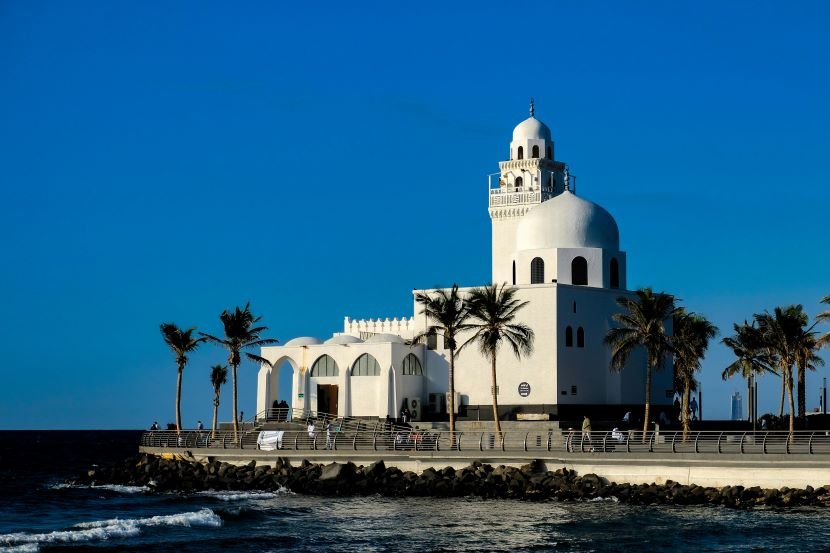

A momentous shift is currently being observed in the tourism sector of Saudi Arabia, signaling a conscious move away from an almost exclusive focus on high-end luxury accommodations. A comprehensive strategy is now being implemented, broadening the appeal to encompass the mid- and upper-mid-range segments of the global travel market. This reorientation is being characterized by the planned and ongoing increase in hotel accommodations, specifically those designed to facilitate the vast influx of visitors drawn by religious pilgrimages. While grand, highly-priced luxury resorts have previously been showcased as the hallmark of the kingdom’s tourism ambitions, a more inclusive approach is now being championed, ensuring that the burgeoning tourism infrastructure is accessible to a wider demographic.
The directive underpinning this ambitious repositioning is clearly linked to Crown Prince Mohammed bin Salman’s Vision 2030 plan. This national blueprint, a transformative initiative of immense scale, was devised with the primary goal of achieving comprehensive economic diversification, thereby lessening the nation’s longstanding fiscal reliance on oil revenues. Within this framework, tourism is not merely seen as a supplementary income stream, but rather as a foundational pillar upon which a robust, non-oil economy can be constructed. The sheer magnitude of this endeavor is underscored by the established target: tourist numbers are to be increased to a staggering 150 million annually by 2030. Crucially, a substantial proportion of this projected figure is expected to comprise international visitors, necessitating both structural and policy adjustments to accommodate such volumes. The kingdom’s identity on the global stage is thus being redefined, moving toward a destination capable of welcoming pilgrims, leisure seekers, and business travelers from all economic strata.
The Strategic Mandate for Accessibility
The need for this strategic adjustment was implicitly recognized when market analyses revealed a significant segment of potential travelers was being underserved. It has been widely noted that the price point of the initial, highly exclusive developments—with high-end resort prices reportedly averaging around $2,000 per night—functioned as a formidable barrier to entry for many prospective middle-income travelers. An acknowledgement of this limiting factor has been directly communicated by Tourism Minister Ahmed Al-Khateeb, who indicated in public statements that the kingdom intends to actively cater to the middle class and upper middle class, emphasizing that this crucial demographic will absolutely not be overlooked in the developmental process. This commitment ensures that the economic benefits of tourism are maximized by broadening the consumer base beyond the ultra-affluent.
The Centrality of Religious Tourism
The scope of the tourism expansion is deeply intertwined with the nation’s historical role as the custodian of Islam’s two holiest sites. Therefore, a massive undertaking is being executed to enhance the capacity for religious pilgrimages. The number of pilgrimage visitors traveling to Mecca and Medina is intended to be nearly doubled, with a specific target of reaching 30 million by 2030. This exponential increase in religious travelers necessitates a significant and rapid augmentation of the existing infrastructure in both holy cities and their surrounding areas.
To support this dramatic surge in visitor volume, extensive hotel infrastructure construction is being undertaken. This development is not merely about increasing the number of rooms; it is also about upgrading the quality, efficiency, and logistical support systems available to pilgrims. New transportation links are being built, and existing facilities are being modernized to ensure the highest possible standards of safety and comfort are maintained for the millions of people who undertake the sacred journeys of Hajj and Umrah each year. The sheer scale of this infrastructural effort is a powerful testament to the kingdom’s dedication to serving the global Muslim community while simultaneously bolstering the national economy. The successful management of 30 million religious travelers annually would solidify Saudi Arabia’s position as a global leader in managing high-volume, high-stakes international events.
Policy Enhancements for Seamless Travel
Complementing the infrastructural investments are critical policy reforms designed to streamline and facilitate international travel into the kingdom. A highly significant development involves the planned introduction of a unified visa system, which is being modeled akin to the existing Schengen system used across Europe. This new visa is specifically intended to cover travelers from the Gulf Cooperation Council (GCC) countries. The adoption of such a system is expected to substantially reduce administrative hurdles and enhance the freedom of movement for citizens and residents across the region.
Planning for this integrated visa system is currently underway, with official implementation being targeted for 2026 or 2027. Once fully operational, this policy change is expected to stimulate intra-regional travel, providing a strong and immediate boost to the overall tourism figures. Furthermore, the successful rollout of this regional visa is widely viewed as a potential stepping stone toward even broader policy liberalization that could eventually be extended to other international visitor groups. The overarching goal of these policy mechanisms is to project an image of open borders and ease of access, effectively positioning Saudi Arabia not as a remote destination, but as an easily navigable and highly welcoming regional hub. Through these multi-faceted developments in infrastructure and policy, the foundation for a sustainable and robust mass tourism economy is being firmly established. This transformative era of growth is being meticulously managed to ensure that all targets under Vision 2030 are met, securing a prosperous, post-oil future for the kingdom.
The post Saudi Arabia’s Strategic Pivot To Mass Tourism: Accessibility And Infrastructure Drive Regional Appeal For Tourists appeared first on Travel And Tour World.