Singapore and Malaysia’s Strategic Causeway Navigating the High-Stakes Balance Between Cross-Border Tourism Growth and Rising Cybersecurity Threats
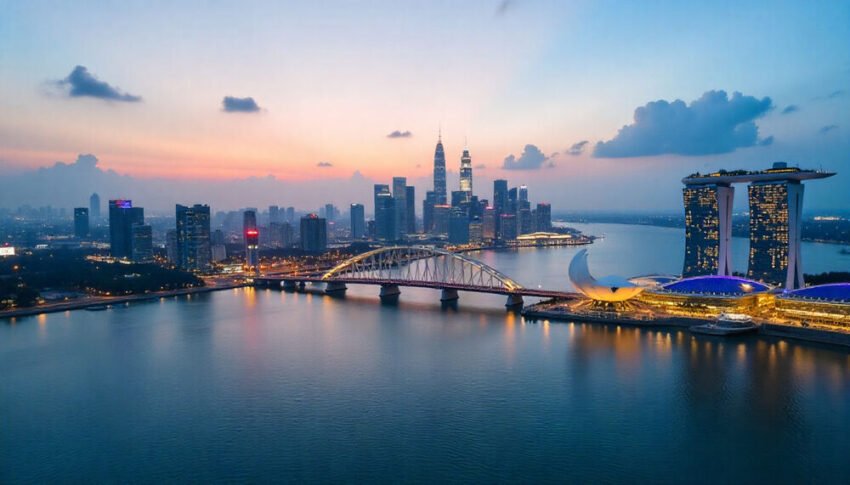
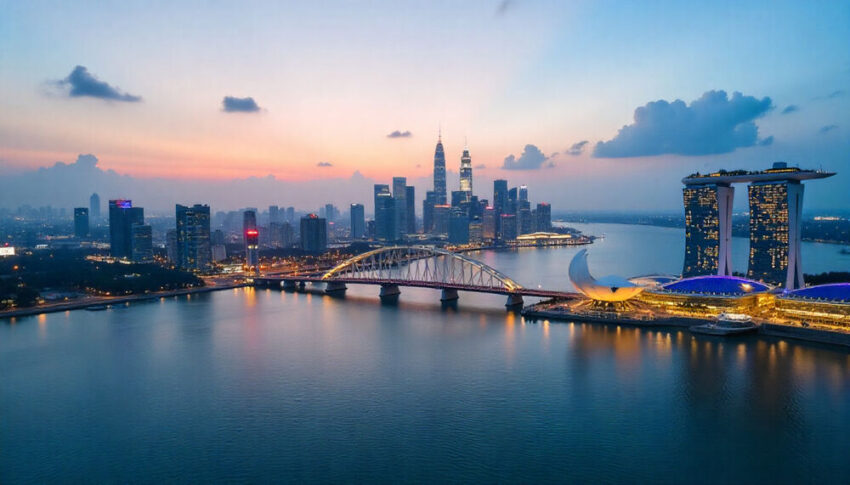
The Singapore-Malaysia Causeway, a vital link for millions of families, students, and shoppers crossing daily between the two nations, is more than just a physical structure.
The Singapore-Malaysia Causeway, a vital link for millions of families, students, and shoppers crossing daily between the two nations, is more than just a physical structure. It represents the intertwined economies of Southeast Asia and the flourishing people-to-people ties that drive regional integration. As Malaysia’s Visit Malaysia 2026 campaign gains momentum, the spotlight has shifted to Singaporean visitors—already the largest group of international arrivals by land.
With its proximity, Malaysia has long been an ideal getaway for Singaporeans, offering a diverse range of attractions, from food excursions and spa retreats to shopping and cultural experiences—all accessible within just a few hours. The Causeway and the Second Link, which handle millions of entries annually, are crucial gateways for this thriving tourism flow. These crossings have become more than just a logistical convenience; they are a symbol of the close ties between the two nations.
Malaysia’s Tourism Ambitions
The Malaysian government, under its Ministry of Tourism, Arts, and Culture (MOTAC), has set ambitious targets for tourism in the coming years. Aiming to welcome 43 million tourists in 2025 and 47 million in 2026, these numbers reflect not only optimism but a commitment to exceeding pre-pandemic levels and reinforcing tourism as a pillar of the nation’s economy.
As part of this campaign, Malaysia is prioritizing Singaporean visitors, whose easy access to Malaysian cities and attractions makes them a key demographic. Johor, with its thriving shopping districts and coastal resorts, is particularly focused on enhancing its infrastructure to cater to this growing demand. Public spaces, heritage districts, and popular attractions are undergoing revitalization to provide visitors with enriched experiences.
The importance of these upgrades cannot be overstated, especially as the government aims to establish Malaysia as a top-tier regional destination. Not only does it aim to attract more visitors from Singapore, but the government is also investing in areas that offer a rich cultural experience, such as Johor’s traditional markets, eco-tourism sites, and heritage attractions. By boosting these offerings, Malaysia seeks to maintain its competitive edge in the tourism sector.
Singapore Faces a Surge in Scams
While Malaysia courts visitors with open arms, Singapore finds itself grappling with an escalating crisis—an alarming rise in scams. Over the past five years, scams have resulted in a staggering S$3.8 billion (US$2.9 billion) in losses, with 2024 alone seeing S$1.1 billion lost to fraudulent schemes. This spike in scams now accounts for 60% of all reported crime in the city-state, with digital fraud rapidly becoming a key threat.
In response, Singapore’s Parliament has enacted stringent new laws aimed at curbing the rise of scams. Convicted scammers could now face caning—a controversial move reserved for male offenders under 50—alongside prison time and fines. This law is particularly focused on those involved in ‘cheating by remote communication,’ such as online fraud and money mules who facilitate these operations. These criminals, often operating out of Myanmar, Cambodia, and Laos, target victims globally.
The law aims to make participation in scams increasingly risky, and its severe penalties reflect the government’s determination to combat online fraud. While digital monitoring and suspicious account freezes have been employed to curb fraudulent activities, the hope is that these new penalties will deter local and international scam networks from operating in Singapore.
Balancing Growth with Security
The cross-border relationship between Singapore and Malaysia has never been more critical. Malaysia’s efforts to boost its tourism industry through initiatives like Visit Malaysia 2026 are positioned against the backdrop of increasing security concerns in Singapore. The rise in scam-related crime poses challenges not only for law enforcement in Singapore but also for the broader region, where interconnected economies make vulnerabilities more pronounced.
The ongoing development of Johor’s tourism infrastructure, including enhanced mobility and public spaces, demonstrates Malaysia’s commitment to accommodating growing tourism flows. Yet, this very success—especially with Singaporeans—brings with it heightened security risks. As travel between the two nations intensifies, both governments must balance economic opportunities with the need for greater security measures to protect their citizens.]
Singapore’s stringent anti-scam measures signal a broader challenge faced by nations across the region—how to ensure open borders and cross-border movement, while also safeguarding against emerging threats in the digital era. While Malaysia moves forward with its economic agenda, Singapore is doubling down on safeguarding its population from digital fraud, a necessary response to the new realities of globalization.
Shifting Trends in Travel Preferences
As Malaysia positions itself as a prime destination for Singaporean tourists, it is increasingly looking to capitalize on evolving travel trends. There has been a marked shift towards eco-tourism, heritage exploration, and gastronomy—areas that are becoming increasingly popular among Singaporeans. Johor, with its rich cultural offerings, vibrant markets, and family-friendly theme parks, is a natural magnet for weekend travelers seeking variety in their trips.
In addition to promoting the region’s natural beauty, the Malaysian government is focused on enhancing the overall visitor experience by introducing more sustainable travel options and modern amenities. The aim is to create an environment where visitors can enjoy both cultural immersion and modern comforts, ensuring that Malaysia remains a competitive destination.
Conclusion: Navigating Opportunities and Risks
As both nations march towards 2026, a critical question arises: can the twin goals of fostering economic growth and ensuring security coexist in a rapidly globalizing world? For Malaysia, the path forward is clear—leveraging its close proximity to Singapore and improving tourism infrastructure to welcome more visitors. For Singapore, the focus is on curbing scams and digital fraud while maintaining its role as a global financial hub.
The Causeway, symbolic of the deep connection between these two countries, stands at the intersection of opportunity and challenge. While both nations benefit from the economic activities driven by tourism and cross-border exchanges, they must also remain vigilant in managing the risks that come with open borders. This delicate balancing act—of embracing growth while protecting against emerging threats—will define the future of Singapore-Malaysia relations in the years ahead.
As both countries continue to evolve, they must find new ways to collaborate, adapt, and address the complexities of cross-border movement. The future of tourism in this dynamic region will depend on their ability to manage growth while ensuring security, making the Causeway not just a bridge of infrastructure, but a gateway to shared prosperity and mutual resilience.
The post Singapore and Malaysia’s Strategic Causeway Navigating the High-Stakes Balance Between Cross-Border Tourism Growth and Rising Cybersecurity Threats appeared first on Travel And Tour World.