South Korea Joins India, China, Vietnam, Cambodia, Singapore, Indonesia and More Countries in Targeting Record Visitor Numbers with New Visa Policies and Relaxed Entry Rules
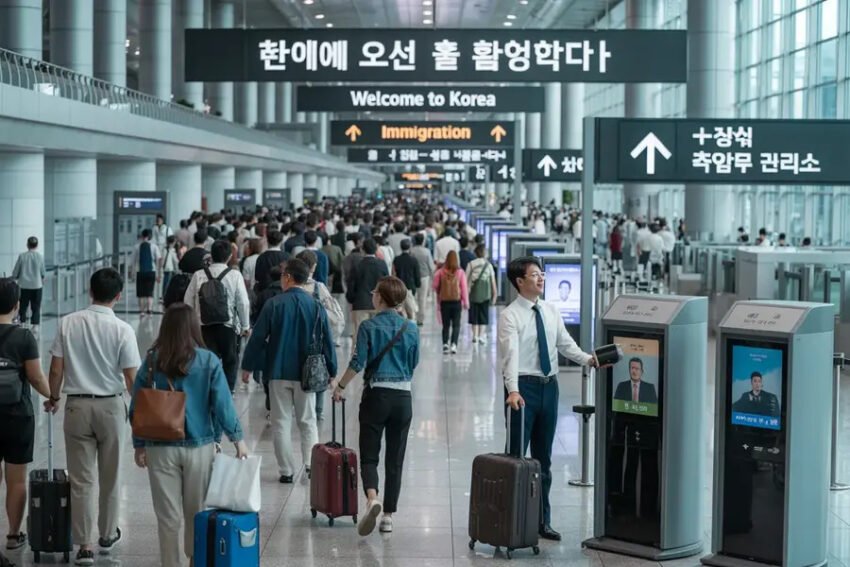

South Korea has officially joined India, China, Vietnam, Cambodia, Singapore, Indonesia, and several other countries in implementing new visa policies and relaxed entry rules, aiming to achieve record visitor numbers in the coming years. The nation’s strategic move to simplify travel regulations is expected to boost international tourism, attracting a larger influx of visitors from key markets across Asia and beyond. By offering easier access and enhancing travel convenience, South Korea is positioning itself as a top destination for global travelers, looking to capitalize on the growing trend of tourism recovery.
South Korea is rolling out an ambitious set of visa relaxations aimed at boosting international tourism, particularly from Southeast Asia and China, as the country sets its sights on reaching a target of 30 million visitors by 2026. This move is expected to enhance the country’s tourism industry by streamlining travel processes and creating more accessible entry points for foreign tourists. The latest changes aim to ease entry barriers, expand visa exemptions, and simplify the application process for travelers from several key regions.
One of the most significant additions to South Korea’s visa policy is the inclusion of Indonesia in the country’s visa-free program. Under a new pilot initiative, group tourists from Indonesia, who travel in parties of three or more, can now visit South Korea without needing a visa. This move is designed to make South Korea more attractive to group travelers from Southeast Asia and bolster tourism numbers in the region.
In addition to the visa-free program for Indonesia, South Korea is also offering new opportunities for travelers from a number of countries in Southeast Asia and China. Specifically, visitors from 11 countries, including major cities in China, who have previously visited South Korea, will now be eligible for multiple-entry visas. These visas, which are valid for up to five years, allow tourists to enter South Korea multiple times within the validity period without needing to apply for a new visa each time. This initiative is expected to encourage repeat visits from countries that already have strong tourism ties with South Korea, such as China, the Philippines, and other Southeast Asian nations.
For tourists traveling in groups, South Korea has also introduced a new policy that waives visa fees for group visitors from several countries. The policy covers group travelers from China, the Philippines, Indonesia, India, and Cambodia, and will remain in effect until December 2026. By eliminating the cost of visa applications, South Korea is hoping to make the country a more attractive destination for group tours, which are often a significant segment of tourism flows from these countries.
In a further effort to simplify the travel process for visitors, South Korea is also extending the validity of multiple-entry visas for Chinese residents from 14 major cities, including Beijing and Shanghai. These travelers, who already hold multiple-entry visas, will now benefit from extended visa validity, which can now last up to 10 years, rather than the previous five-year limit. This extension is expected to reduce the need for Chinese travelers to reapply for visas frequently and encourage long-term visits to South Korea.
Additionally, South Korea is expanding the availability of its automated immigration gates, which have previously been available to travelers from only 18 countries, including Australia, Japan, and Singapore. Starting now, travelers from all European Union member states will be able to use the automated system, speeding up the immigration process and reducing wait times for travelers. The move is part of South Korea’s broader strategy to make travel more efficient for international visitors and reduce congestion at key entry points such as international airports and major transport hubs.
In tandem with these visa relaxations, South Korea has also extended the temporary exemption for the Korea Electronic Travel Authorization (K-ETA) until the end of 2026. The K-ETA system, which is an electronic travel authorization required for short-term visitors from specific countries, was introduced to streamline travel into South Korea. The exemption allows travelers from 22 countries, including Singapore, Japan, and Australia, to enter South Korea without the need to apply for the K-ETA during this extended period. This exemption is aimed at reducing the bureaucratic burden on travelers and making it easier for tourists to visit the country.
The combination of these new measures is expected to drive significant growth in South Korea’s tourism sector, particularly by attracting more visitors from nearby regions in Asia. By targeting countries with large populations and strong tourism potential, South Korea hopes to benefit from increased travel flows, which will, in turn, boost the local economy and contribute to the country’s overall growth objectives.
The relaxation of visa rules is part of a broader strategy by South Korea to make the country more competitive in the global tourism market. With the added benefits of faster entry through automated gates, extended visa validity, and reduced application costs, South Korea is positioning itself as a more accessible and attractive destination for tourists from around the world.
As South Korea works toward its ambitious target of 30 million international visitors in 2026, these visa relaxations and new policies are seen as essential steps in building stronger connections with key tourist markets. By enhancing its tourism infrastructure and simplifying the travel experience, South Korea is ensuring that it remains a top choice for travelers seeking to explore its rich culture, vibrant cities, and stunning landscapes.
South Korea has joined India, China, Vietnam, and other nations in implementing relaxed visa policies to boost international tourism, aiming for record visitor numbers and enhanced travel convenience. This strategic move is set to attract more global travelers and strengthen South Korea’s position as a top tourism destination.
South Korea is making significant strides to encourage tourism from Southeast Asia and China, with new visa relaxations aimed at boosting the country’s tourism numbers in the coming years. The introduction of visa-free travel for Indonesian group tourists, extended visa validity for Chinese and Vietnamese residents, and automated gate access for EU travelers are just a few of the measures set to make it easier for international tourists to visit South Korea. These steps, alongside the K-ETA exemption, reflect South Korea’s commitment to becoming a more accessible and welcoming destination for travelers worldwide.
The post South Korea Joins India, China, Vietnam, Cambodia, Singapore, Indonesia and More Countries in Targeting Record Visitor Numbers with New Visa Policies and Relaxed Entry Rules appeared first on Travel And Tour World.