Sultan Abdul Samad Building Restoration Sparks Cultural Tourism Boom in Kuala Lumpur
Sultan Abdul Samad Building Restoration Sparks Cultural Tourism Boom in Kuala Lumpur

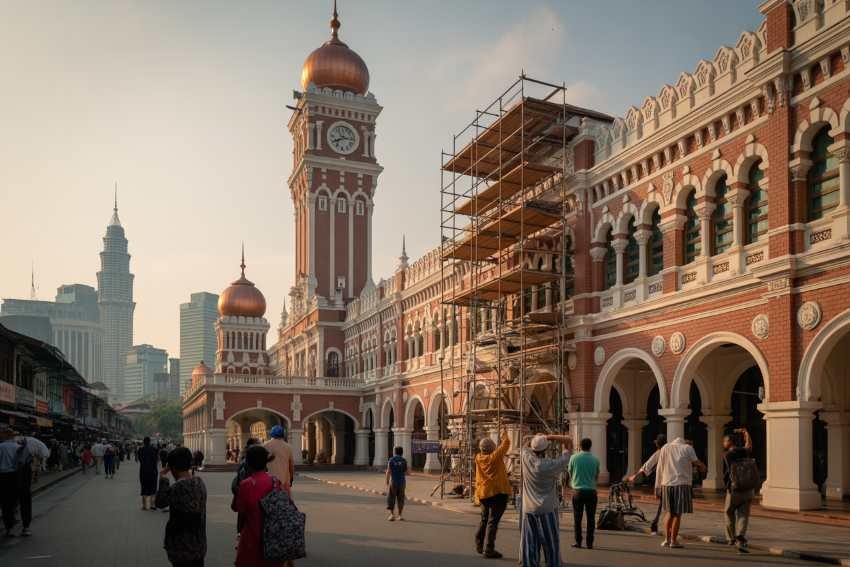
The Sultan Abdul Samad Building (BSAS) in Kuala Lumpur, a true symbol of Malaysia’s history and heritage, is currently undergoing an exciting restoration that promises to transform it into a hub for both economic growth and cultural tourism. This significant conservation project, spearheaded by the Malaysian government, will restore all six blocks of the building, creating a vibrant space that will draw both local residents and international visitors.
This initiative is part of Malaysia’s wider efforts to breathe new life into its historic sites, with a particular focus on using cultural tourism as a powerful driver for economic growth. With Phase 1 of the restoration already complete, the Sultan Abdul Samad Building is set to become a central landmark in Kuala Lumpur’s flourishing tourism scene, helping to establish the city as a must-visit destination for those seeking to explore its rich cultural heritage.
A Heritage Hub for Future Generations
The restoration of the Sultan Abdul Samad Building goes beyond mere preservation. It is part of a long-term vision to create an educational and inspirational space that brings Malaysia’s rich history to life. Once the restoration is completed, the building will house several exhibitions, including the Kuala Lumpur City Gallery, which will chronicle the evolution of the city over three centuries. The gallery will feature five thematic sections, each highlighting a different era in the capital’s development, offering visitors a deeper understanding of the cultural and historical significance of the area.
Another key addition to the building will be the Royal Selangor Gallery, which will showcase traditional pewter crafts. This exhibition will pay homage to the city’s industrial heritage, particularly its tin-mining legacy, which played a crucial role in Malaysia’s early economic development. The Royal Selangor Gallery will also showcase the creative industries that emerged from the city’s industrious spirit, giving visitors insight into the blend of art, industry, and craftsmanship that defines Kuala Lumpur’s heritage.
Strategic for Economic Growth and Tourism
The Sultan Abdul Samad Building restoration is not just about preserving the past; it is about creating a modern space that resonates with Malaysia’s future. Prime Minister Datuk Seri Anwar Ibrahim has emphasized the importance of heritage buildings as tools for economic development. The conservation project is aligned with Malaysia’s 2026 Budget, which outlines funding to preserve and revitalise key heritage sites throughout the country.
The government has made it clear that the restored buildings, including the Sultan Abdul Samad Building, will be open to the public, providing citizens and tourists alike with opportunities to experience the nation’s history firsthand. This is a significant step toward bringing heritage sites to life, ensuring that they serve not only as historical reminders but also as active contributors to the local economy.
In line with the upcoming Visit Malaysia Year 2026, the Sultan Abdul Samad Building restoration is part of Malaysia’s broader push to attract both domestic and international tourists. The country is recognised for its natural beauty and cultural diversity, but it is the strength of its historical and civilisational narratives that will continue to draw visitors from around the world. The Sultan Abdul Samad Building, along with other revitalised heritage sites, will play a pivotal role in Malaysia’s tourism growth.
Heritage as a Strategic Asset
The government’s focus on heritage as a strategic asset for tourism development is rooted in the belief that heritage buildings are not burdens of the past but valuable assets that can generate economic opportunities. By preserving these historical structures, the government aims to create spaces that foster creativity, employment, and local business growth. These efforts are particularly significant in a country where the tourism sector is increasingly recognised as a major contributor to the economy.
The Sultan Abdul Samad Building restoration is a prime example of how heritage can contribute to the economic growth of a city. By incorporating galleries, creative spaces, and educational exhibitions, the building will not only become a tourist destination but also a catalyst for the creative industries. These industries, including arts and crafts, architecture, and design, are expected to thrive as the revitalisation project creates new job opportunities and strengthens the local business ecosystem.
A Modern Kuala Lumpur with Historical Roots
Malaysia’s commitment to blending modern development with historical preservation is evident in the Sultan Abdul Samad Building project. While the building will retain its historical charm, the design will incorporate modern elements that cater to the needs of today’s visitors. The aim is to create a space that is both a celebration of the past and a reflection of the future, aligning with Kuala Lumpur’s vision as a progressive metropolis that remains deeply connected to its cultural roots.
The project also ties into the government’s broader WARISAN KL initiative, which is focused on revitalising Kuala Lumpur’s historic sites as catalysts for urban development. Through the initiative, the government aims to create spaces that not only preserve the city’s architectural and cultural heritage but also enhance its appeal as a global destination for cultural tourism.
Kuala Lumpur as a Cultural Tourism Destination
The Sultan Abdul Samad Building is a significant part of Kuala Lumpur’s urban fabric, and its restoration will contribute to the city’s growing reputation as a cultural tourism hub. In recent years, Kuala Lumpur has seen a surge in interest from tourists seeking to explore its rich history, cultural diversity, and thriving arts scene. The restoration of key heritage sites like the Sultan Abdul Samad Building is expected to further boost the city’s appeal and attract more visitors from around the world.
As part of Visit Malaysia Year 2026, the government aims to position Malaysia as a top destination for cultural tourism. The Sultan Abdul Samad Building, with its historical significance and modern enhancements, will be a key part of this effort, offering visitors a chance to experience the city’s past and present in one location.
Preserving the Past, Shaping the Future
The restoration of the Sultan Abdul Samad Building marks a pivotal moment in Malaysia’s journey to preserve its rich heritage while driving economic growth through cultural tourism. This ambitious project promises to attract not only visitors but also create new jobs, fuel the creative industries, and invigorate the local economy. By breathing new life into this historic landmark, the government is ensuring that Malaysia’s fascinating history remains vibrant and accessible for future generations.
As the restoration continues to take shape, the Sultan Abdul Samad Building will stand as a living testament to Malaysia’s dedication to preserving its past while embracing a modern and dynamic future. Through transformative initiatives like this, Kuala Lumpur is set to further solidify its reputation as one of Southeast Asia’s foremost cultural tourism destinations.
The post Sultan Abdul Samad Building Restoration Sparks Cultural Tourism Boom in Kuala Lumpur appeared first on Travel And Tour World.