Switzerland Tackles Overtourism: Local Measures Taken In Iseltwald And Lauterbrunnen You Need To Know
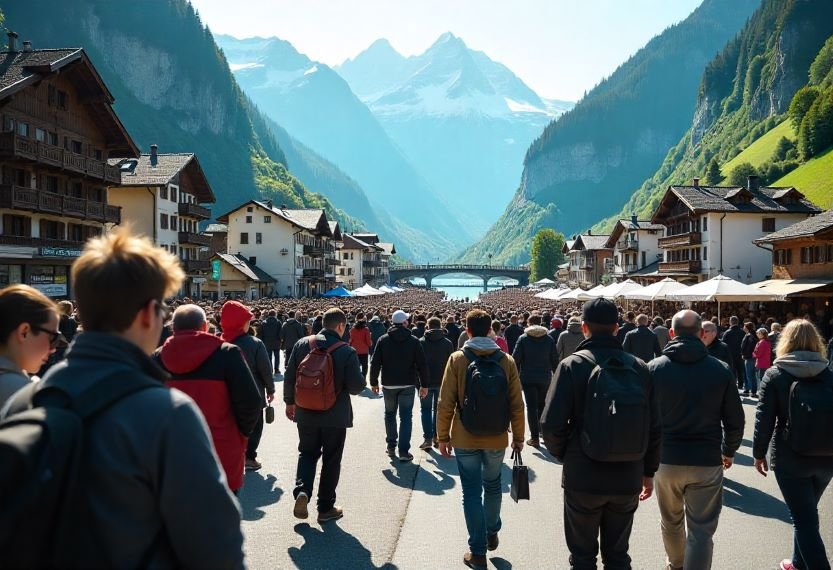

Switzerland, with its idyllic landscapes, charming towns, and picturesque alpine views, has long been a favorite destination for travelers worldwide. However, the country is facing the challenges of overtourism in specific areas, particularly in regions like Iseltwald and Lauterbrunnen, located in the Bernese Oberland. These places, famous for their natural beauty and outdoor activities, are now grappling with the unintended consequences of tourism, such as overcrowding, environmental strain, and social disruption. In response, both local and national authorities are implementing measures to preserve these regions while maintaining their allure for visitors.
The Impact of Overtourism
Overtourism refers to the excessive flow of visitors to certain destinations, causing environmental degradation, congestion, and a decline in the quality of life for local residents. In Switzerland, overtourism is not a nationwide issue but is evident in select areas that attract significant numbers of tourists. The picturesque village of Iseltwald, located along the shores of Lake Brienz, has become a hotspot for visitors seeking the perfect selfie, resulting in overcrowded jetties and a strain on local infrastructure. Similarly, Lauterbrunnen, often dubbed “the Valley of 72 Waterfalls,” experiences traffic jams and overcrowded streets during peak seasons.
This surge in tourist numbers leads to a variety of issues. Overcrowded buses and trains, endless queues, and increased waste generation are just a few examples of the direct impacts of overtourism. More subtle consequences include rising rents, the displacement of local businesses, and the loss of local culture and identity in favor of tourist-driven enterprises. These changes, though less visible, can profoundly affect the social fabric of communities, as the influx of visitors often pushes out residents and alters the character of once peaceful villages.
Local Measures to Combat Overtourism
To address these challenges, certain Swiss regions are taking proactive measures. In Iseltwald, a popular tourist destination, the local authorities introduced a “selfie tax” in 2023 to manage the increasing number of visitors and minimize the environmental impact. The tax was implemented to deter large crowds from gathering in specific areas and to fund sustainable tourism practices. The village’s serene atmosphere and picturesque landscapes have become increasingly vulnerable to the overcrowding that comes with mass tourism, prompting local authorities to act decisively.
In Lauterbrunnen, the municipality is considering introducing entrance fees for day-trippers. This move aims to curb the negative effects of overtourism by generating funds for local infrastructure maintenance and sustainability initiatives. By introducing these measures, the region hopes to balance the benefits of tourism with the need to preserve its natural and cultural heritage.
National Efforts and Promotion of Lesser-Known Destinations
Although overtourism remains a localized issue in Switzerland, national authorities have recognized its potential long-term impact and are taking steps to address it. Switzerland Tourism, the official tourism board, is focusing on better distributing visitor flows across the country. One of the organization’s key strategies is to promote lesser-known destinations and encourage visitors to travel during off-peak seasons. By highlighting towns like Burgdorf, Bremgarten, and Auvernier, Switzerland Tourism aims to ease the pressure on high-traffic areas and introduce tourists to new, less crowded destinations.
These efforts also include initiatives to diversify the tourist experience. Rather than focusing on increasing the sheer number of visitors, the focus is shifting towards qualitative growth. This means encouraging tourists to stay longer, explore more regional attractions, and engage with local businesses. For example, visitors are encouraged to purchase regional products, which can boost the local economy while reducing the environmental costs associated with mass tourism.
Long-Term Sustainability and Future Strategy
Experts believe that the key to mitigating overtourism lies in implementing sustainable tourism practices that prioritize long-term benefits over short-term gains. Measures like introducing visitor fees, restricting access during peak times, and deploying rangers to manage crowds can help mitigate the strain on popular destinations. However, these efforts need to be complemented by broader national strategies to ensure their effectiveness.
Switzerland’s national tourism strategy is expected to undergo a revision in the coming years, with overtourism being one of the key topics on the agenda. By focusing on distributing tourism more evenly across the country and promoting destinations that are less frequented, Switzerland aims to create a more sustainable and balanced tourism ecosystem. This shift in approach will help preserve Switzerland’s natural beauty and ensure that local communities benefit from tourism without being overwhelmed by its negative effects.
Conclusion
Switzerland is actively addressing the challenges posed by overtourism through a combination of local measures and national initiatives aimed at ensuring the long-term sustainability of its tourism industry. While regions like Iseltwald and Lauterbrunnen are already implementing access fees, taxes, and other restrictions, Switzerland Tourism’s efforts to promote lesser-known destinations and focus on qualitative growth signal a more sustainable future for the country’s tourism sector. As these strategies take hold, Switzerland hopes to strike a balance between attracting tourists and preserving its cultural and environmental heritage for future generations.
The post Switzerland Tackles Overtourism: Local Measures Taken In Iseltwald And Lauterbrunnen You Need To Know appeared first on Travel And Tour World.